The Most Overlooked Rifle Cartridges That Deserve Greater Attention
You don’t have to spend long around a rifle counter to see how narrow the conversation has gotten. A handful of cartridges dominate the racks, and everything else gets pushed aside, whether it deserves it or not. That doesn’t mean those overlooked rounds stopped working. In a lot of cases, they never stopped doing exactly what they were built to do.
If you’ve been hunting a while, you know trends come and go. Performance doesn’t. Some of these cartridges fell out of favor because something newer came along. Others never got the spotlight in the first place. Either way, they’re still putting meat in freezers for the guys who stuck with them.
.257 Roberts Still Does More Than People Give It Credit For
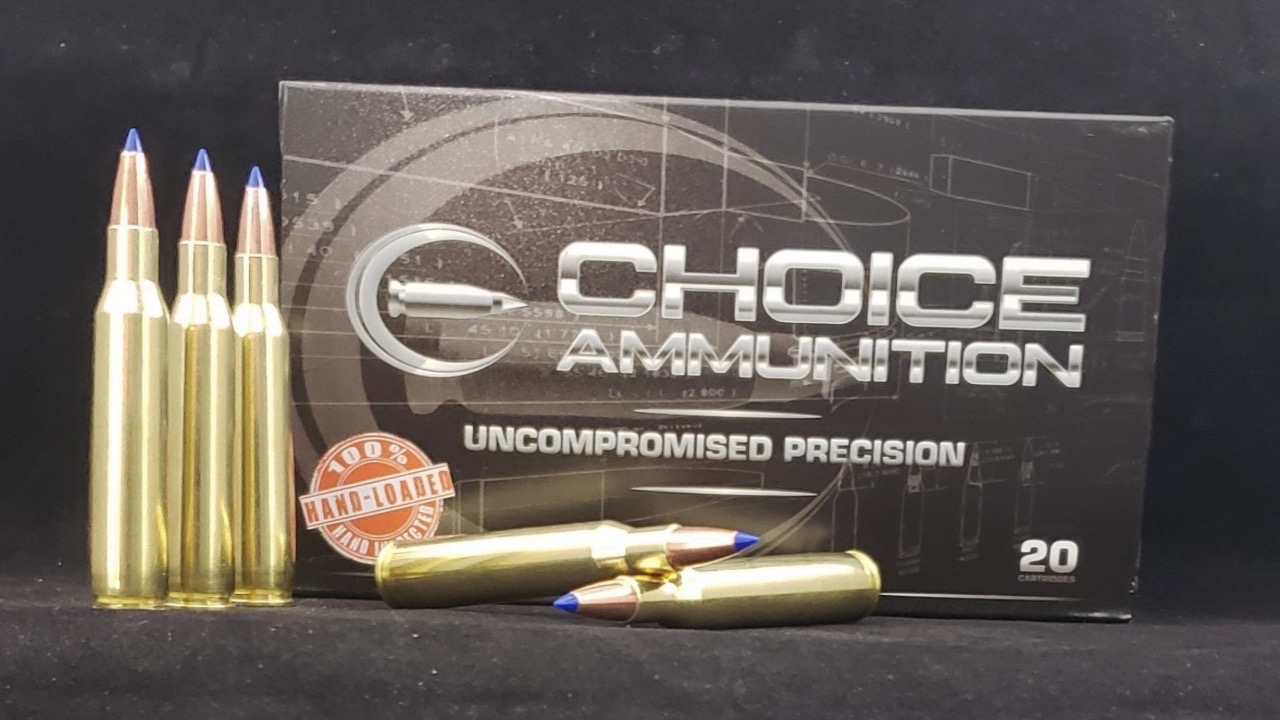
You won’t hear much about the .257 Roberts these days, but it’s been quietly getting the job done for decades. It sits in that sweet spot where recoil stays manageable, but you still get enough velocity to handle deer-sized game without fuss.
What you gain here is shootability. You can spend more time behind the rifle without getting beat up, and that tends to show up when it counts. With modern bullets, the old “Bob” hits harder than people remember. It’s not flashy, but if you put it where it belongs, it performs cleanly and consistently.
7mm-08 Remington Got Overshadowed by Its Bigger Cousins
The 7mm-08 Remington never had a performance problem—it had a marketing problem. It lives in the shadow of larger 7mm cartridges, even though it covers most real-world hunting situations without the extra recoil.
You’re getting efficient case design, solid ballistics, and a wide selection of bullet weights. In the field, it handles deer, elk, and similar game without pushing the shooter around. That matters more than people admit. When you can shoot a rifle well under pressure, that cartridge starts to make a lot more sense.
.35 Whelen Carries Authority Without the Fuss
There’s a reason the .35 Whelen has stuck around with experienced hunters. It throws a heavier bullet at moderate speeds, which translates into deep penetration and strong performance on larger game.
You’re not chasing high velocity here. Instead, you’re leaning on bullet weight and frontal diameter. In thick cover or at moderate ranges, that approach works. It doesn’t get talked about much because it doesn’t fit the current obsession with speed, but when you need something that hits with authority, it’s hard to argue with.
.250 Savage Was Ahead of Its Time
The .250 Savage doesn’t get much attention anymore, but it was pushing boundaries long before modern cartridges took over the conversation. It offered flat shooting performance with lighter recoil, which made it practical for a wide range of hunters.
What still stands out is how balanced it feels. It’s easy to carry, easy to shoot, and capable on deer and similar game. You’re not dealing with excessive recoil or complicated setups. It’s a straightforward cartridge that rewards good shot placement, and that hasn’t changed with time.
.280 Remington Deserved Better Than It Got
The .280 Remington has always lived in an awkward spot—caught between the .270 and the .30-06. Because of that, it never got the attention it probably should have.
You’re getting versatility here. It handles a wide range of bullet weights and performs well across different game sizes. For a hunter who wants one rifle to cover a lot of ground, it makes sense. The problem is perception. It never built the same following as its neighbors, even though it holds its own in the field.
6.5×55 Swedish Keeps Proving Itself
The 6.5×55 Swedish has a long track record, and it didn’t earn that by accident. It’s known for accuracy, manageable recoil, and reliable penetration, especially with well-constructed bullets.
You’ll notice how easy it is to shoot well. That’s where it separates itself. It’s not pushing extreme speeds, but it doesn’t need to. With proper bullet selection, it handles deer, elk, and more without issue. It’s been doing that for over a century, and there’s no sign of it slowing down.
.300 Savage Still Holds Its Ground
Before short-action cartridges became popular, the .300 Savage was already there. It delivered solid performance in a compact package, and it still works today.
You’re looking at a cartridge that handles deer and black bear without trouble. It doesn’t carry the same velocity as some modern options, but inside normal hunting distances, it performs reliably. The downside is availability—you won’t find it everywhere. But if you have one, there’s no reason to leave it behind.
8mm Mauser Offers More Than Its Reputation Suggests
The 8mm Mauser often gets overlooked, especially in the U.S., where it never fully caught on outside of surplus rifles. That’s a mistake, because it brings serious capability to the table.
With modern ammunition, you’re dealing with a cartridge that can handle a wide range of game. It pushes heavier bullets with solid energy, making it suitable for bigger animals. The limiting factor has always been perception and rifle availability, not performance. In the right setup, it’s far more capable than many give it credit for.
Cartridges don’t stop working because they fall out of fashion. Most of the time, they’re pushed aside by marketing cycles and new releases, not real shortcomings. If you spend enough time hunting, you start to see through that. The rifle you shoot well—and the cartridge that performs when it counts—matters more than whatever happens to be trending.

Asher was raised in the woods and on the water, and it shows. He’s logged more hours behind a rifle and under a heavy pack than most men twice his age.