There is only U.S. state where the Florida panther still survives in the wild
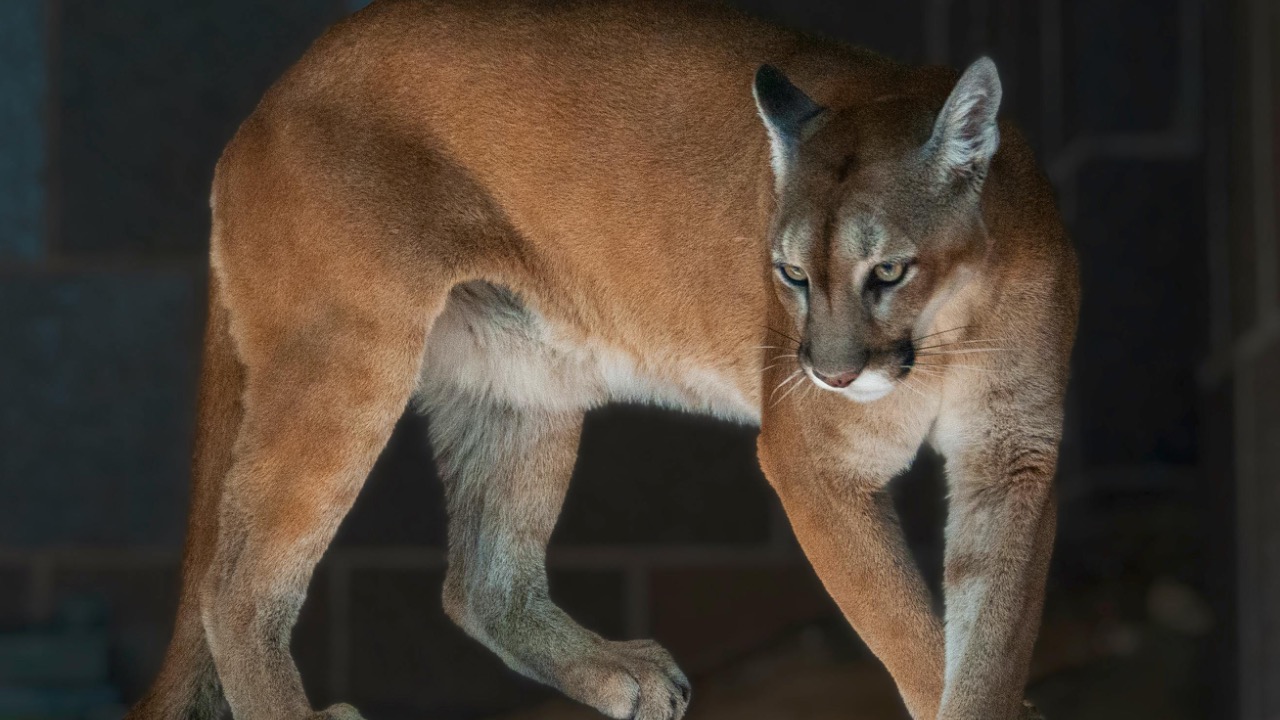
The last breeding population of Florida panthers left on Earth pads through a surprisingly narrow slice of one U.S. state. Once spread across the Gulf Coast and deep into the Southeast, this big cat now survives in the wild only in Florida, mostly in the swamps, ranchlands, and pine flatwoods of the state’s southwest corner. That reality carries big stakes for hunters, anglers, and anyone who cares about wild country, because if Florida loses this cat, the eastern United States loses its only remaining native mountain lion.
From a regional predator to a one‑state survivor
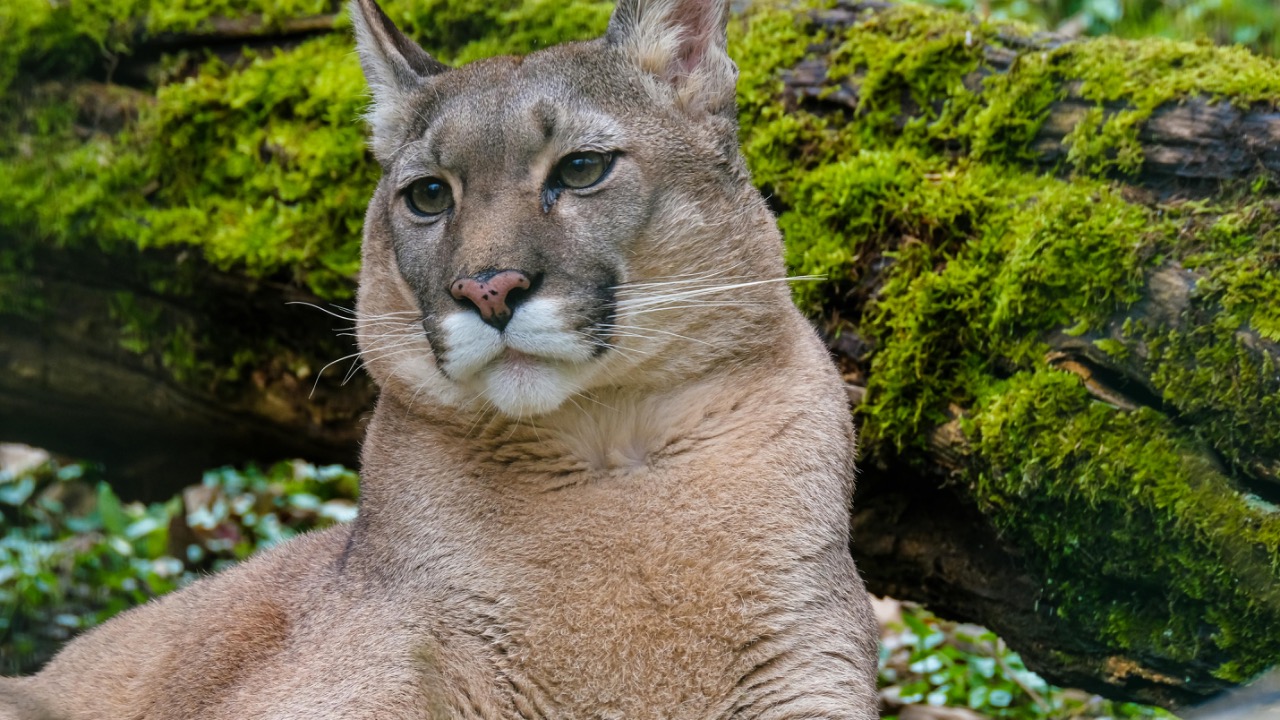
For most of American history, the Florida panther was not confined to one state line. Biologists describe a historic range that stretched across the southeastern United States, including Arkansas, Louisiana, Mississippi, Alabama, Georgia, South Carolina, and Tennessee, where these cats followed deer and hogs through longleaf pine and bottomland hardwoods. Over time, relentless hunting, predator bounties, and habitat loss erased panthers from that broader region, leaving a remnant population hanging on in the southern tip of Florida.
Today, when wildlife groups talk about the species’ range, they are no longer mapping the whole Southeast. They are talking about a single state, and really a single quadrant of that state. Conservation organizations note that panthers historically ranged across the southeastern United States, but now the surviving animals are concentrated in southwestern Florida, where remaining habitat still links public lands, ranches, and wetlands into a fragile corridor for this cat to move and hunt Range.
Why the last panthers are bottled up in southwest Florida
When you look at a map of where panthers still roam, the pattern is stark. Wildlife advocates point out that once, these cats were found across the Gulf Coast states, but now they survive only in southwestern Florida, hemmed in by highways, subdivisions, and canals. That corner of the state still holds big blocks of habitat, from cypress swamps to cattle country, but it is also where development pressure is growing fastest, which keeps the population boxed into a relatively small footprint Today.
On the ground, that bottleneck looks like a patchwork of public and private lands that function as one living system. The Florida panther is a federally endangered species and is described as the last big cat surviving in the eastern United States, with its core habitat in South Florida’s wetlands and ranchlands. Conservation campaigns emphasize that this animal now occupies only a fraction of its historic range, and that keeping it in the wild depends on holding together what is left of that southwest Florida landscape The Florida.
How many Florida panthers are left in the wild
Ask three biologists how many panthers are left and you will get a range, not a single number, but everyone agrees the population is small enough that one bad decade could undo decades of work. One major conservation group estimates that there are 160 to 200 Florida panthers surviving in the wild, a figure that reflects the slow climb from the brink of extinction but still leaves the species vulnerable to disease, inbreeding, and habitat loss Panthers Need Room.
Other sources frame the numbers slightly differently, but the story is the same. One detailed account of the species’ status notes that the Florida panther is one of the most endangered mammals in the United States, with some estimates placing the wild population at roughly 100 to 120 individual cats. Another review of state data reports that in 2017, the Florida Fish & Wildlife Conservation Commission updated the population estimate to between 120 and 230 panthers, reflecting both uncertainty in field counts and cautious optimism that the population had grown from its historic low point SAVING 120.
What makes Florida panther country different
Spend time in panther country and you realize how much of southwest Florida still runs on wild rules. Beyond the beaches, golf courses, and waterfront communities, much of Southwest Florida remains active habitat for native wildlife, including this secretive cat that leaves more tracks than sightings. Hunters and anglers who slip into the backcountry see the same palmetto thickets and cypress knees that shelter panthers, even if they never catch more than a flash of a tail in the headlights or a pawprint in the mud Southwest Florida.
Public lands anchor that landscape. The Florida Panther National Wildlife Refuge covers a 26,400-acre block of prime habitat, roughly 107 km in area, established under the Endangered Species Act by the US Fish and Wildlife Ser to protect the core of the remaining population. It sits east of Naples and west of SR 29, tying into other conservation lands and large ranches that together give panthers room to hunt deer and hogs, raise kittens, and slip across the landscape mostly unseen by the people who share their woods 26,400-acre.
A cat shaped by people, tribes, and law
The Florida panther’s story is not only about biology, it is also about culture and law. Many native American tribes of the southeastern United States, including Cherokee, Seminole, and Miccosukee communities, have long viewed this cat as a powerful presence on the landscape, weaving it into stories and traditions. That deep history sits in sharp contrast to the era when state and local governments paid bounties for dead predators, a policy that helped wipe out panthers across most of their former range Human.
Modern law has swung the pendulum in the other direction. It is illegal to harm, harass, or kill a Florida panther, and state agencies remind visitors that even approaching one too closely can be a violation. Florida State Parks highlight that protection while pointing people toward places where they might glimpse a panther or a Bobcat, such as Myakka River State Park, just east of Sarasota, Fla, which serves as a western gateway to the Everglades and a reminder that panther habitat still brushes up against busy human corridors It is illegal.
Corridors, crossings, and the fight for room to roam
For a wide ranging predator, being trapped in one corner of one state is a long term problem. Biologists stress that panthers need room to roam, and that healthy numbers are only possible if the cats can move north of the Caloosahatchee River into central Florida. Conservation groups have worked to secure key tracts of land and easements, including areas near a refuge close to Naples, to give dispersing males and eventually females a way to cross that barrier and establish new territories beyond the current stronghold Roam Today.
Lawyers and land managers have started to frame that work in terms of a broader wildlife corridor. Legal analyses of panther recovery talk about Strategies To Recover the Florida Panther and Secure the Preservation of the Florida Wildlife Corridor, noting that while the first “genetic rescue” helped boost numbers, the cats still live mostly in South Florida and remain boxed in by development. The argument is simple: if Florida wants to keep its last big cat, it has to keep a connected corridor of habitat running up the peninsula so panthers are not forever trapped in a shrinking corner of the map Strategies To Recover.
Seeing panther country for yourself, and what comes next
For anyone who spends time outdoors, the idea that a big cat still hunts wild in the eastern United States is part of what makes Florida’s backcountry feel alive. State park staff explain that Florida panthers live mainly in the southern part of the peninsula, but they also note that the species historically ranged as far north as Georgia, a reminder of how much ground has been lost. Visitors who hike or paddle in those parks are more likely to see a Bobcat or fresh tracks than a cat itself, but knowing that a panther might be watching from the sawgrass changes how you read every rustle in the palmettos Where do.
At the same time, the numbers show how fragile that experience is. Conservation groups describe the Florida panther as a reserved, stealthy predator of enormous physical grace and power, but they also warn that with only a few hundred animals at best, the species remains at risk of extinction if habitat continues to shrink. The fact that this cat now survives in the wild only in Florida, mostly in the southwest, should matter to anyone who cares about wild deer, clean water, and the kind of country where a hunter or angler can still feel like a visitor in someone else’s domain Challenges.

Asher was raised in the woods and on the water, and it shows. He’s logged more hours behind a rifle and under a heavy pack than most men twice his age.