In 15 States, Mountain Lions Remain a Serious Concern
You don’t always see them, but that doesn’t mean they’re not there. Mountain lions—also called cougars, pumas, or cats—have been expanding, holding ground, and in some places pushing closer to towns than folks are comfortable with. If you spend enough time outdoors, especially out West, you know the feeling of being watched in thick country.
This isn’t about fear—it’s about awareness. In a handful of states, lion populations are strong enough, and human overlap is close enough, that encounters aren’t rare stories anymore. Whether you’re hunting, hiking, or working land, these are the places where you keep your head on a swivel.
California’s Lions Are Packed Into Tight Spaces
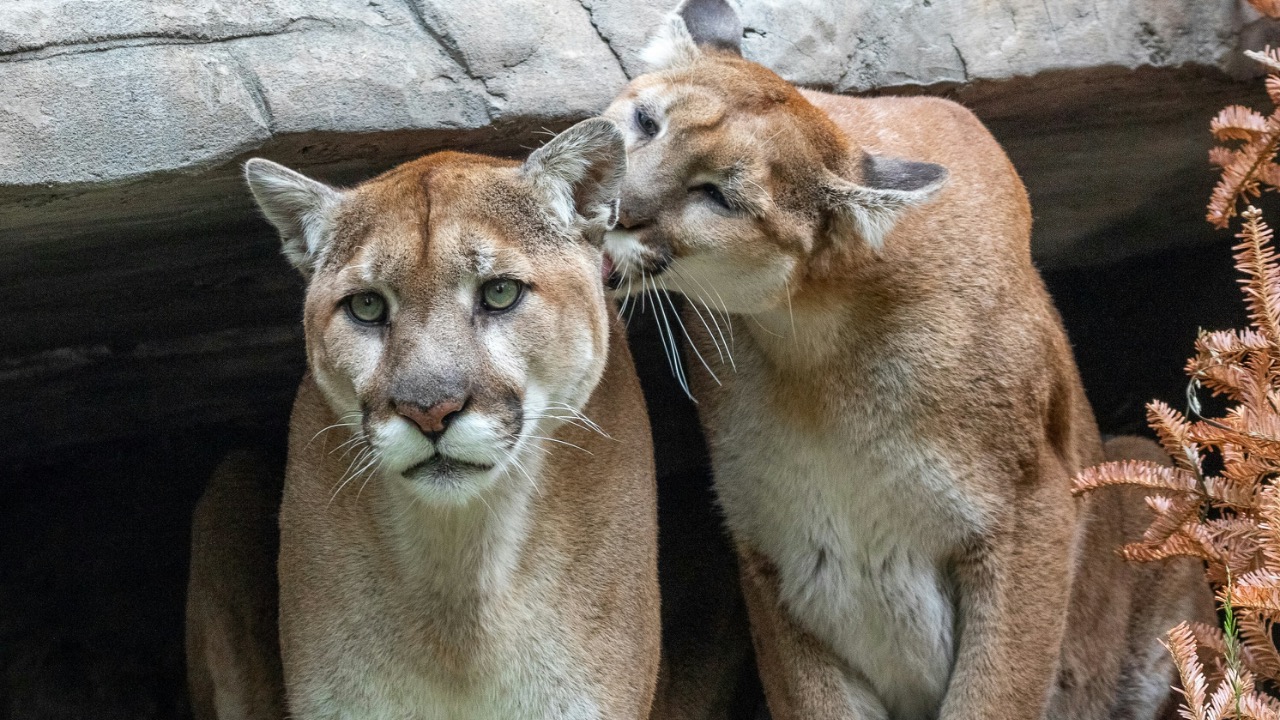
California holds one of the largest mountain lion populations in the country, and it also has one of the highest human populations. That combination puts lions and people in close quarters more often than most states.
Development keeps pushing into foothills and canyon country where lions have always lived. Deer follow landscaping and green belts, and the cats follow deer. You end up with lions moving through backyards, crossing roads, and occasionally taking pets. Attacks on people are still rare, but sightings and conflicts are common enough that wildlife agencies stay busy responding.
Colorado Continues to See Regular Encounters
Colorado’s lion population is well-established, and the state manages it through regulated hunting. Even with that, encounters happen every year, especially along the Front Range.
You’ve got expanding suburbs sitting right against prime lion habitat. Elk and deer numbers stay strong, which keeps lions in the area. Most of the time they avoid people, but not always. There have been confirmed attacks over the years, and plenty of close calls. If you’re moving through thick timber or broken rock country, you don’t ignore the possibility.
Washington’s Cats Are Holding Strong
Washington supports a healthy lion population, especially on the eastern side of the state. Thick cover, steady prey, and large tracts of public land give them room to operate.
At the same time, smaller towns and rural homes sit right in that habitat. Reports of livestock kills and sightings near homes come in regularly. The state has adjusted hunting rules over time, and that’s sparked debate about how best to manage numbers. Either way, if you spend time outdoors here, lions are part of the landscape.
Oregon Sees Rising Numbers and Complaints
Oregon’s cougar population has grown significantly over the past few decades. With limited hunting methods allowed, many believe numbers have climbed beyond what they used to be.
That shows up in complaint calls. Ranchers lose livestock, and residents report cats near homes and schools. The animals are adapting, using cover and terrain to stay out of sight while still living close to people. It’s not unusual to find tracks near trailheads or hear about sightings in places that didn’t deal with lions much years ago.
Texas Has Lions Few People Talk About
Texas doesn’t always come up in the lion conversation, but it should. The state has a scattered, mostly unmanaged population, especially in West Texas and the brush country of the south.
Because there’s no formal statewide management plan, it’s hard to pin down exact numbers. What you do get are consistent sightings, trail cam photos, and the occasional livestock loss. Most folks who spend time on big ranches out there understand lions are around, even if they don’t see them often.
Arizona Is Classic Lion Country
Arizona checks all the boxes for mountain lions—rugged terrain, dry washes, and strong prey populations. Lions are found across much of the state.
You’ll hear about encounters involving hikers, hunters, and even joggers near developed areas. The state allows hunting, which helps keep numbers in check, but it doesn’t eliminate conflict. In desert country, water sources become key, and that’s where animals and people cross paths more than they’d like.
New Mexico Maintains a Wide Distribution
New Mexico has lions spread across most of the state, from desert to high mountain country. It’s not a question of if they’re there—it’s where you run into them.
Livestock depredation is one of the main issues, especially in rural areas. Hunters and outfitters also report regular sign. The terrain gives lions plenty of escape cover, which makes them hard to track and harder to manage. They stay out of sight until they don’t.
Utah Balances Hunting and Growing Pressure
Utah manages its lion population through hunting, and it’s an important tool in keeping numbers in line. Even so, conflicts still pop up.
You’ve got expanding communities along the Wasatch Front pressing into lion habitat. Deer herds stick close to those areas, and lions follow. Sightings in neighborhoods aren’t unheard of, and neither are incidents involving pets or livestock. It’s a state where management matters, but pressure keeps building.
Idaho Has Plenty of Room—and Plenty of Lions
Idaho’s mix of wilderness and working land supports a strong lion population. There’s space for them, and there’s food.
That doesn’t mean people avoid them. Hunters, trappers, and backcountry travelers run into lion sign regularly. In some areas, lions have a noticeable impact on deer and elk herds. Management varies by unit, but the animals are well established, and encounters are part of being in the field.
Montana’s Big Country Still Holds Big Cats
Montana has the kind of country lions thrive in—mountains, timber, and open ground filled with prey. Populations are stable in many regions.
Encounters tend to happen when people are in the backcountry, but there are also reports near smaller communities. Hunters see tracks, hear stories, and occasionally have close encounters. It’s not overcrowded, but it’s steady. You don’t forget you’re in lion country when you’re deep in it.
Wyoming Keeps Lions Across Much of the State
Wyoming’s terrain supports lions in a wide range of habitats. From high mountains to sagebrush country, they find a way to make it work.
Livestock losses are part of the conversation here, along with predator management overall. Hunters play a role in keeping numbers balanced. Even with lower human density than some states, the people who live and work there deal with lions as a regular part of life.
South Dakota Has a Small but Real Population
South Dakota isn’t known for lions statewide, but the Black Hills region tells a different story. That area supports a breeding population.
As numbers have grown, so have sightings and occasional conflicts. The state monitors and manages the population carefully. If you’re in that part of the state, especially in wooded terrain, lions aren’t a rumor—they’re present and accounted for.
Florida’s Panthers Are Limited but Sensitive
Florida’s mountain lions, known as panthers, are mostly confined to the southern part of the state. The population is smaller and closely managed.
Even with lower numbers, encounters happen, particularly in areas where development meets habitat. Vehicle strikes, habitat loss, and human interaction all play a role in how these cats are managed. You’re not dealing with high numbers, but the stakes are high every time one crosses paths with people.
Nevada’s Lions Stay Spread Out but Active
Nevada’s wide-open country holds a steady lion population. They cover big distances, and that makes them harder to pin down.
Hunters and ranchers report sightings across the state. Livestock losses occur, and cats show up where water and prey are available. It’s not concentrated like some states, but they’re out there, and they move through more country than most folks realize.
Nebraska Sees a Rebounding Population
Nebraska has seen mountain lions return in recent years, especially in the Pine Ridge region. What was once rare is now becoming more common.
The state keeps a close eye on the population and allows limited hunting. Sightings have increased, and so have conversations about how to manage them. It’s still a developing situation, but it’s one you don’t ignore if you spend time in that part of the state.
You don’t need to be nervous every time you step outside, but you do need to be aware. In these states, mountain lions aren’t stories passed around camp—they’re real, present, and part of the ground you walk on.

Asher was raised in the woods and on the water, and it shows. He’s logged more hours behind a rifle and under a heavy pack than most men twice his age.