Department of Homeland Security Outlines Border Security Funding Priorities for 2026
The Department of Homeland Security is using the 2026 budget cycle to lock in a long-term strategy for the southern border, combining personnel, detention capacity, and new technology with a political promise of tougher enforcement. Instead of a narrow fight over miles of fencing, the funding blueprints sketch out a system that can process, detain, and remove far more people, while shifting money away from some humanitarian and grant programs. The result is a border security plan that is as much about permanent infrastructure and institutional power as it is about operations in any single year.
This emerging framework ties together Border Patrol staffing, Immigration and Customs Enforcement detention, and a new wave of wall and surveillance projects into one integrated enforcement machine. It is backed by large topline figures, detailed congressional justifications, and a series of appropriations summaries that show how the Administration intends to use the Budget to reshape the balance between enforcement and support services across DHS.
How much money is really going to border enforcement

The clearest signal of DHS priorities for 2026 is the scale of money directed to border and immigration enforcement activities. One analysis of the broader funding package reports that The American Immigration Council estimates roughly $170.7 billion directly supports border and immigration enforcement, a figure that captures not only Customs and Border Protection and Immigration and Customs Enforcement, but also related detention, legal processing, and technology contracts. That level of spending reflects a structural reset in how the government treats border security, turning it into a central organizing mission for DHS rather than one priority among many.
Congressional budget analysis of the Department’s request for 2026 further breaks down projected obligations across specific program lines. In the Budget’s own appendixes, the section labeled Appendixes lists each Program Activity alongside the Projected FY2026 Obligations, including a category identified as Immigr that covers immigration enforcement and related operations, as summarized in the Program Activity table. That structure makes clear that immigration enforcement is treated as a distinct and well funded activity, not a residual function, and it provides the scaffolding for the more specific border initiatives that DHS is now advancing.
Border Patrol staffing, CBP operations, and frontline pressure points
On the ground, the most visible piece of the 2026 plan is the push to sustain and formalize a large Border Patrol workforce. A House summary of the Homeland Security appropriations bill states that it Bolsters U.S. national security and border protections by Providing $613 million to sustain 22,000 Border Patrol agents, locking in both the $613 m investment and the 22,000 figure as explicit targets. That level of staffing is intended to stabilize an agency that has been stretched by high encounter volumes, while also supporting more aggressive enforcement operations promised for 2026.
Customs and Border Protection, meanwhile, has been pressing Congress for additional resources to manage the workload that comes with such a large force. Testimony submitted for the CBP Fiscal Year 2026 cycle details how agents and officers are expected to handle increased apprehensions, processing, and transport responsibilities, and it highlights concerns about burnout and safety if staffing and support do not keep pace with policy demands, as described in the CBP Fiscal Year materials. Taken together, the appropriations language and frontline testimony show a department that is not only funding more boots on the ground, but also trying to build a sustainable operational environment for those agents, even as political leaders call for more intensive enforcement.
Detention, removals, and ICE’s new infrastructure model
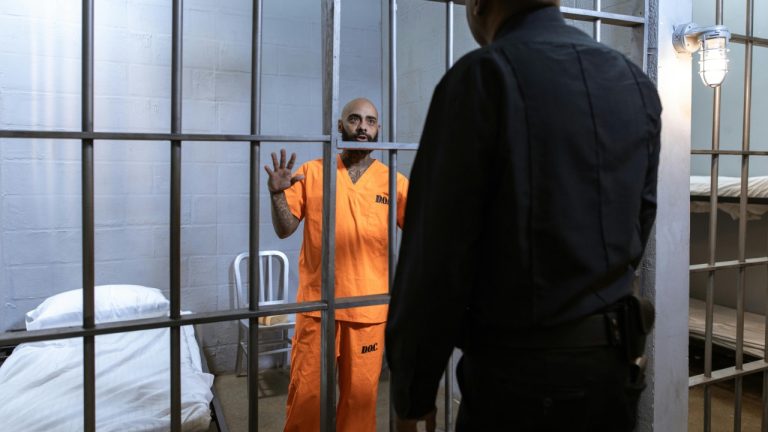
Behind the line of Border Patrol agents, DHS is planning for a sharp expansion in detention and removals. The Immigration and Customs Enforcement congressional justification for 2026 states that, to support the Administration’s strategy of 1,000,000 removals per year and 100,000 detention beds, the FY 2026 Budget includes significant investments in enforcement and custody capacity, as laid out in the ICE Budget. The explicit targets of 1,000,000 removals and 100,000 beds mark a major escalation in the scale of ICE operations that the Administration intends to normalize rather than treat as a temporary surge.
To meet those goals, ICE is moving away from earlier ideas such as tent camps and toward a more permanent infrastructure footprint. Reporting on the agency’s recent real estate strategy notes that, Having abandoned the idea of tent camps, ICE is now adopting a much more dramatic plan that relies on large warehouse purchases and conversions, a shift that would fundamentally reshape immigration detention and how long people are held while they fight to remain in the country, as described in the account of how Having abandoned the earlier concept. When combined with the removal and bed targets in the Budget, the warehouse model suggests that DHS is building a system designed for sustained high volume detention, not just short term surges.
Smart Wall Construction and long term border infrastructure
Physical and technological barriers remain central to the 2026 plan, but DHS is framing them as part of a broader smart border architecture. A recent DHS update on enforcement strategy explains that Smart Wall Construction is now a flagship initiative, with CBP and DHS working to seal the border by finishing the border wall with funds from the One Big Beaut funding package, and with plans to lock in border wall construction contracts by mid 2026, as described in the section on Smart Wall Construction. The reference to One Big Beaut connects the wall program to the larger funding vehicle that is channeling tens of billions of dollars into DHS enforcement activities.
Congressional committees have embraced this long term infrastructure approach, describing the 2026 homeland security bill as one that supplements the policy direction of this administration by making long term border security investments that will enable federal agencies to confront transnational criminal networks and those who would harm citizens and communities, as explained in the committee report. That language signals that wall segments, surveillance towers, and related systems are being treated as generational investments similar to major highway or port projects, with an expectation that they will shape migration and enforcement patterns for decades.
Appropriations battles, grant cuts, and the broader DHS budget context
All of these priorities are being sorted out through a series of detailed appropriations negotiations. The Homeland Security Appropriations Act, 2026, described in a Senate summary as The Homeland Security Appropriations bill for Fiscal Year 2026, provides a base discretionary level for DHS and then layers in additional funding for disasters, consistent with statute, as laid out in the Homeland Security Appropriations overview. Within that framework, negotiators have carved out large pools of money for CBP, ICE, and border infrastructure, while also responding to competing demands for cybersecurity, disaster response, and transportation security.
The department’s own justification for the 2026 Budget shows how those choices are reshaping the internal balance of DHS programs. The Budget also significantly reduces or eliminates funding for non disaster grants including elimination of the Shelter and Servi program that has helped local communities support migrants and asylum seekers, as described in the DHS Budget justification. At the same time, a separate House summary of the final FY26 homeland security minibus details how the consolidated package steers additional money toward enforcement accounts and border operations, as described in the final FY26 homeland document. The combination of higher enforcement spending and cuts to support grants illustrates a deliberate shift toward a more punitive border model that leans heavily on federal agents and detention capacity while asking states and cities to shoulder more of the humanitarian burden.

Leo’s been tracking game and tuning gear since he could stand upright. He’s sharp, driven, and knows how to keep things running when conditions turn.