Ukraine Says Russia’s War Funds Are Dwindling as Moscow Signals Possible Peace Deal Ahead of Easter Truce
Ukrainian officials say Russia’s financial capacity to wage war is eroding just as Moscow signals new openness to a negotiated settlement tied to an Easter ceasefire. The combination of tightening money, battlefield pressure and talk of a holiday truce is raising expectations that a serious peace framework could finally be within reach, while also sharpening questions about what each side is willing to trade.
What happened
Ukraine’s leadership has begun to frame Russia’s war effort as increasingly constrained by money, not only by manpower and equipment losses. Senior officials in Kyiv argue that Russia’s reserves built up before the full-scale invasion have been heavily drawn down, that sanctions are limiting access to technology and capital, and that emergency spending has turned the war into a long-term burden on the Kremlin’s budget. In their view, Moscow can still fund operations now but faces a growing squeeze as it tries to sustain high-intensity fighting, domestic subsidies and security spending at the same time.
The financial message coincides with a notable shift in public rhetoric about negotiations. A top aide to President Volodymyr Zelenskyy has described Ukraine as moving closer to a possible deal with Vladimir Putin, stressing that Kyiv is working through specific terms rather than abstract principles. According to that account, Ukrainian and Russian positions have narrowed on some elements of a potential settlement, even as core disputes over territory and security guarantees remain unresolved. The aide’s comments, reported in detail in a recent Bloomberg interview, suggest a level of back-channel activity that goes beyond routine diplomatic posturing.
The timing is deliberate. Both sides are weighing the idea of a limited Easter truce that would pause heavy fighting along key sections of the front. Ukrainian officials frame such a pause as a humanitarian step to allow prisoner exchanges, civilian evacuations and repairs to critical infrastructure. Russian messaging has been more ambiguous, mixing talk of a religious ceasefire with warnings that Moscow will respond to any Ukrainian attacks during the holiday period with intensified strikes afterward. Even so, the fact that an Easter-related pause is on the table at all signals that both militaries see advantages in even a short operational reset.
Behind the scenes, Kyiv has been working closely with European and North American partners on what a credible negotiating package might look like. The emerging ideas include security guarantees short of NATO membership, long-term financing for reconstruction, and a phased approach to sanctions relief tied to verified Russian withdrawals. Analysts who have tracked the war since 2022 note that earlier attempts to launch talks often collapsed over sequencing: Moscow wanted sanctions eased first, while Ukraine and its allies insisted that any economic relief must follow concrete steps on the ground. Current discussions appear to revisit those trade-offs with more detailed contingency planning.
On the Russian side, officials close to the Kremlin have begun to emphasize the costs of a prolonged stalemate. Public statements highlight the need to protect economic stability, keep inflation under control and maintain social spending, even as the defense budget remains elevated. Russian technocrats have long argued that the economy can adapt to sanctions, but the latest messaging acknowledges that doing so requires trade-offs that may become harder to manage if the war drags on at its current intensity. The shift in tone aligns with Kyiv’s claim that Russia’s war funds are not limitless.
Diplomatic mediation efforts are also gaining structure. European capitals are exploring formats that would bring in Turkey, Gulf states and potentially China as guarantors or observers for any eventual deal. Earlier international initiatives, including proposals discussed in 2025, tried to link a ceasefire to broader questions about European security architecture and sanctions relief. Those talks stalled, but the new focus on an Easter truce offers a narrower entry point that could, in theory, expand into a more durable arrangement if both sides see benefits in freezing lines and reducing casualties.
Why it matters
The claim that Russia’s war chest is dwindling matters because it shapes leverage at the negotiating table. If Moscow faces mounting fiscal pressure, Ukraine and its partners may calculate that sustained military and economic pressure can still shift the Kremlin’s calculus, even after years of fighting. Conversely, if Russia believes it can stabilize its economy despite sanctions, it may treat financial strain as a reason to seek a controlled pause rather than a full-scale withdrawal. The difference between a tactical ceasefire and a strategic settlement will hinge on how each side reads the other’s capacity to keep going.
For Ukraine, the prospect of a negotiated deal tied to an Easter truce raises both opportunity and risk. A pause in fighting could save lives, give battered cities breathing room and allow critical infrastructure to be repaired before the next winter. It could also create space for Kyiv to deepen integration with the European Union and secure longer-term military aid packages. However, any deal that freezes current front lines would leave large parts of Donetsk, Luhansk, Zaporizhzhia and Kherson under Russian control, along with Crimea, which Moscow annexed in 2014. Such an outcome would be politically explosive in Ukraine, where public opinion has hardened against territorial concessions.
Previous analyses of the war’s trajectory have pointed out that both armies have adapted to high-casualty, attritional fighting, with limited prospects for rapid breakthroughs. A detailed review of potential endgames published late in 2025 argued that the conflict was likely to drag into 2026 unless one side suffered a dramatic collapse or external pressure forced negotiations. That assessment, which examined scenarios ranging from a frozen conflict to a full Ukrainian liberation of occupied territories, framed 2026 as a plausible window for serious talks if battlefield lines remained relatively static. The same report, available through Al Jazeera, stressed that neither side could achieve maximal goals at an acceptable cost.
New signals from Kyiv and Moscow suggest that some of those conditions may now be in place. Ukrainian forces have improved their defensive positions and integrated more Western equipment, while Russia has absorbed significant losses in personnel and armor. Both militaries have learned to live with long-range drone and missile attacks on logistics hubs, energy infrastructure and command centers. In that environment, a negotiated pause could be more attractive than another year of grinding offensives that yield only modest territorial shifts.
Economic dynamics amplify the stakes. Russia’s budget has been reshaped around war spending, with high outlays on salaries, equipment, ammunition and security services. Oil and gas revenues still provide a cushion, but sanctions on technology, shipping and financial services increase the cost of doing business. Ukraine, for its part, depends heavily on foreign aid to keep its economy functioning and to pay soldiers and civil servants. Western governments face their own political constraints as they debate long-term support. If Russia’s fiscal room narrows while Ukraine’s backers grow more cautious, both sides may see advantage in locking in gains and reducing uncertainty.
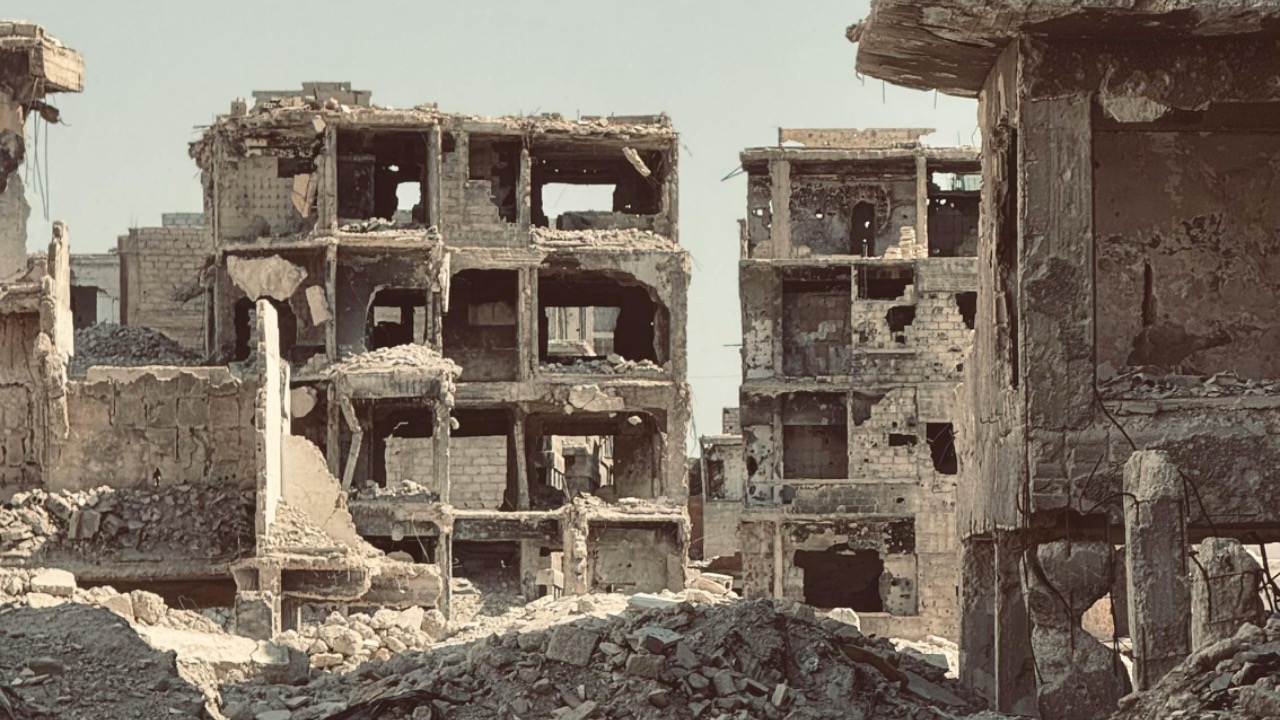
The humanitarian dimension is just as significant. A sustained ceasefire linked to a broader deal could open corridors for displaced families to return, for demining operations to expand and for international agencies to access occupied areas. The war has left cities such as Mariupol, Bakhmut and Avdiivka heavily damaged, with reconstruction costs running into tens of billions of dollars. Without a political settlement that clarifies control and security, large-scale rebuilding will remain stalled. An Easter truce on its own would not solve these problems, but it could serve as a test of each side’s willingness to respect humanitarian commitments and manage local ceasefire lines.
There is also a wider security implication for Europe and beyond. The war has already reshaped NATO’s posture, driven new defense spending in countries like Germany and Poland, and pushed Sweden and Finland to seek closer alignment with the alliance. A negotiated settlement would influence how those states plan their forces, where they position air defense systems and how they think about future deterrence. If Russia emerges from talks with de facto control over occupied Ukrainian territory, some European governments will argue for permanent forward deployments and tougher sanctions enforcement. If Ukraine regains significant ground as part of a phased withdrawal, pressure may grow for a new security arrangement that integrates Kyiv more deeply into Western structures.
For global markets, any credible path to de-escalation would reduce risk premiums on energy and grain supplies. The war has disrupted shipments through the Black Sea, affected fertilizer exports and contributed to price spikes that hit import-dependent countries in Africa and the Middle East. A ceasefire that stabilizes export routes from Odesa and other ports would ease those pressures, although sanctions on Russia and insurance costs for shipping would still complicate trade. Investors will watch closely for signs that an Easter truce is more than symbolic, since a durable reduction in hostilities would influence long-term pricing and investment decisions in energy, logistics and agriculture.
What to watch next
The first test will be whether an Easter truce actually takes hold along the front and in major cities. Observers will track reports of shelling, drone strikes and missile launches during the holiday period, looking for patterns rather than isolated incidents. If both sides significantly scale back offensive operations, that will signal that commanders received clear political instructions to respect the pause. If fighting continues at near-normal intensity, talk of a truce will be seen as primarily rhetorical and confidence in any parallel negotiations will suffer.
Diplomatic calendars matter as well. Ukraine’s leadership is expected to continue consultations with European Union members, the United States and key partners such as the United Kingdom and Canada about security guarantees and postwar reconstruction frameworks. Any public references to draft security agreements, long-term military aid compacts or reconstruction funds earmarked for specific regions will hint at how far planning has progressed. On the Russian side, statements from the Kremlin and the Ministry of Foreign Affairs about conditions for talks, recognition of territorial changes and sanctions relief will reveal whether Moscow is preparing domestic opinion for compromise or doubling down on maximalist demands.
Another key indicator will be how both governments talk about money. If Ukrainian officials continue to highlight Russia’s financial strain, they will likely pair that message with calls for sustained Western assistance and tighter sanctions enforcement, arguing that economic pressure is working. Russian leaders, in turn, may emphasize resilience, alternative trade routes and new energy deals with partners in Asia and the Middle East. Any admission that war spending is crowding out domestic priorities, such as pensions or healthcare, would be significant, since it would signal that the economic costs are becoming politically sensitive inside Russia.
Military deployments will provide further clues. Satellite imagery, open-source intelligence and local reporting can reveal whether Russia is rotating units away from the front, consolidating positions or moving additional air defense systems and artillery closer to contested areas. Large-scale withdrawals would suggest preparation for a more durable ceasefire or even phased pullbacks. Continued reinforcement of front-line positions, by contrast, would indicate that Moscow sees any Easter pause as temporary and is preparing for renewed offensives once the holiday passes.

Leo’s been tracking game and tuning gear since he could stand upright. He’s sharp, driven, and knows how to keep things running when conditions turn.