Defense cooperation questioned as F-35 rift strains NORAD ties
The quiet partnership that has guarded North American skies for generations is suddenly being talked about in the language of ultimatums. As Canada rethinks how many F-35 fighters it really wants to buy, Washington is warning that the North American Aerospace Defense Command, or NORAD, might have to be reshaped to compensate. The rift is not only about a single jet, it is about whether two close allies still see their shared airspace, and their shared enemies, in the same way.
At stake is a defense relationship that stretches from Arctic radar lines to joint command centers buried deep in the Rockies. If the F-35 deal wobbles, the question is no longer whether Canada can patrol its own vast north, but whether the United States will quietly take over more of that job, and what that would do to the politics of sovereignty on both sides of the border.
Hoekstra’s warning shot over the Arctic
The current flare up started when the U.S. ambassador to Canada, David Hoekstra, publicly tied Ottawa’s fighter choices to the future shape of NORAD. He said that if Canada pulled back from its planned purchase of the F-35, the binational defense pact would have to “change,” because the United States would need to plug whatever holes appeared in the joint air defense posture. That message, delivered in plain language, signaled that Washington sees the fighter fleet not as a national vanity project but as a core piece of shared continental security, especially across the Arctic approaches that NORAD watches every day through Canada.
Hoekstra’s comments were not a one off. In follow up interviews he stressed that if Canada is no longer going to provide that capability, then “we have to fill those gaps,” and that NORAD would be “altered” to reflect a different balance of contributions. That is diplomatic language for a hard reality, which is that the United States will not leave air defense gaps over North America, even if that means more American jets flying missions that used to be shared. The ambassador’s warning has been echoed in Arctic focused reporting that notes how any pullback from the F-35 order would force a rethink of how NORAD covers the polar routes that Russian and Chinese aircraft increasingly probe.
Canada’s F-35 rethink and the mixed fleet idea
On the Canadian side, the debate is less about alliance politics and more about budgets, basing, and how to keep a small air force flying across a huge country. Ottawa has been weighing whether to stick with its full planned F-35 buy or shift to a mixed fighter fleet that would pair a smaller number of stealth jets with cheaper aircraft. That discussion has moved from backroom analysis into the open, with officials acknowledging that a split fleet could ease near term costs and training pressures, but at the price of more complexity and less seamless integration with American squadrons that operate only the F-35 across NORAD.
Washington’s concern is that a mixed fleet would inevitably mean fewer F-35s available for NORAD alert duties, even if Canada keeps the total number of fighters roughly stable. Analysts have pointed out that the F-35’s value lies in its ability to share data and operate as part of a networked force, so diluting that with other jets could undercut the very integration that NORAD relies on. Reporting on the internal Canadian debate notes that the United States has been unusually blunt in warning that cuts to the F-35 portion of the fleet could affect how missions are assigned and how much trust Washington places in Canadian capacity, which is why the fighter choice has become a proxy for broader questions about burden sharing.
What NORAD actually is, and why fighters matter
To understand why this argument has teeth, you have to look at how NORAD really works. The command is not a loose coalition, it is a binational structure where Canadian and American officers sit side by side, share radar feeds, and direct aircraft under a single chain of command. As one detailed analysis of the current dispute points out, NORAD’s effectiveness depends less on any one platform and more on a web of sensors, command centers, and aircraft operating under shared procedures, which is why the F-35’s ability to fuse data and pass it across the network is so central to the way planners see the future of Canada in that system.
Another assessment, framed around “What the, Said and How NORAD Actually Works,” underlines that the command’s day to day business is tracking and intercepting aircraft that approach North American airspace, from lumbering bombers to fast moving cruise missile carriers. On January, the same analysis noted that NORAD’s procedures are built so that it almost does not matter which side’s jets make the intercept, as long as they can plug into the shared picture and respond quickly. That is where the F-35’s advanced sensor fusion and secure data links come in, and why some experts argue that Ottawa’s choices now will shape how easily its pilots can operate alongside American wings under the shared rules that govern aircraft on both sides of the border.
Inside the F-35’s appeal, and its political baggage
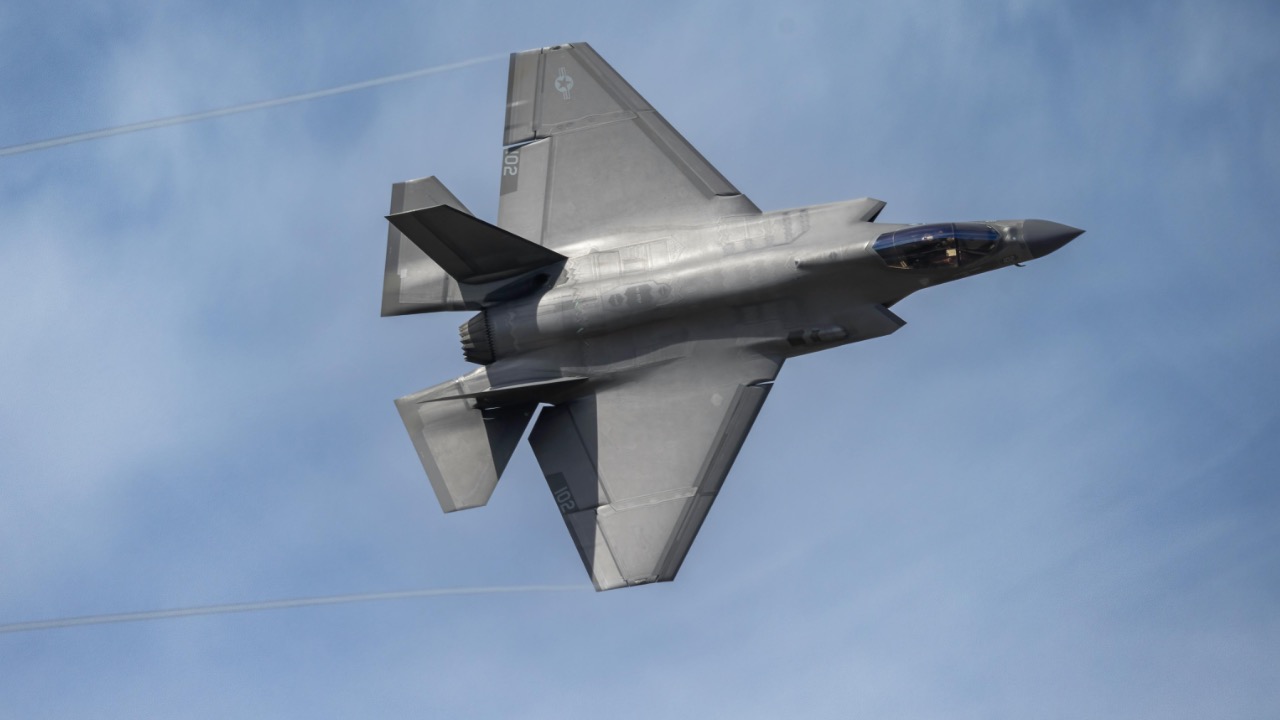
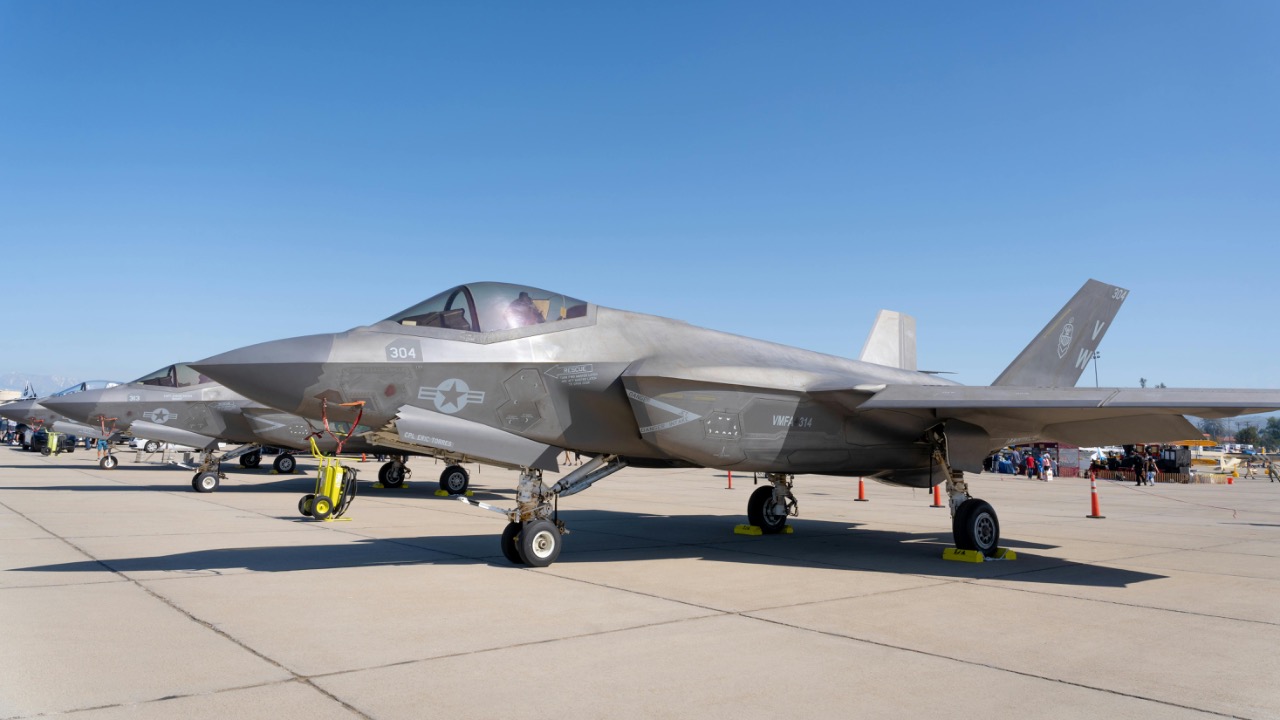
From a purely military standpoint, the F-35 offers deep integration with U.S. and allied forces, advanced sensor fusion, and stealth capabilities that make it more than a traditional fighter. It is designed to act as a flying node in a larger network, spotting threats and sharing that data with other aircraft and ground systems in real time. That is why American officials keep stressing that the jet ties Canada closely into U.S. warfighting concepts, and why they argue that walking away from the full order would be hard to square with the country’s role in NORAD and NATO. The same reporting that highlights those strengths also notes that the F-35’s sophistication comes with high costs and long term commitments that some in Ottawa see as limiting Canada.
Critics inside Canada have long argued that the F-35 program has become a political symbol as much as a defense project. They point to earlier procurement missteps and question whether tying the Royal Canadian Air Force so tightly to a single U.S. platform is wise, especially when domestic priorities are under pressure. Yet even some skeptics concede that from an operational standpoint, there is no easy alternative that offers the same level of integration with American forces and the same ability to plug into NORAD’s sensor grid. That tension between strategic benefit and political baggage is why the current review of the deal has drawn such pointed commentary from both Canadian analysts and American officials who see the deal as a bellwether of where the alliance is heading.
How far would NORAD really “change”?
Hoekstra’s suggestion that NORAD would have to be altered if the F-35 deal collapses has been interpreted in very different ways. Some read it as a technical point, that the command would need to adjust its planning assumptions and alert rosters if fewer Canadian jets are available. Others hear a deeper warning, that the political balance inside NORAD could tilt further toward Washington if the United States ends up flying more of the missions that keep North American airspace secure. Reporting that quotes Hoekstra directly has him saying that if Canada is no longer going to provide that capability, the United States would have to figure out how to replace it, a line that underscores how much of the current posture assumes a certain level of If Canada contribution.
Other coverage of the same remarks frames them as part of a broader pattern of American messaging that NORAD would be “altered” if Canada pulls back, with specific references to how alert responsibilities and patrol patterns might shift. A detailed Canadian report on the issue notes that the NORAD pact would change if Canada pulls back from its F-35 order, and that this warning has landed in a domestic political environment where defense spending is already under scrutiny. The same piece emphasizes that NORAD is not a static treaty but a living arrangement that can be updated, which is why Hoekstra’s comments about having to “fill those gaps” have sparked debate about whether the command would evolve in a way that strengthens or weakens NORAD as a truly binational enterprise.
Pressure tactics or honest warning?
Not everyone accepts Hoekstra’s framing at face value. Former Canadian national security adviser Vincent Rigby has described the ambassador’s remarks as a political pressure tactic, arguing that the core NORAD relationship is resilient enough to survive changes in fighter procurement. In his view, the suggestion that American jets would routinely patrol Canadian airspace if the F-35 deal collapses is meant to raise the political cost of any backtracking in Ottawa, by conjuring images of sovereignty being outsourced. That critique has been picked up in commentary that sees the warning as part of a broader U.S. effort to keep allies aligned on high end platforms at a time when Washington is also juggling crises in Europe and the Indo Pacific, a point underscored in coverage that quotes the Former Canadian official directly.
At the same time, other analysts argue that Hoekstra is simply stating a hard truth. If Canada reduces its fighter contribution, the United States will inevitably shoulder more of the load, and NORAD’s internal arrangements will shift to reflect that. A detailed Arctic focused report quotes the U.S. ambassador to Canada warning that the NORAD defense pact would have to change if Canada pulls back from its planned purchase, and notes that such a move could weaken the command’s mission rather than strengthening it. That perspective sees the current rhetoric not as a bluff but as an early signal of how Washington will adapt if Ottawa decides that a smaller F-35 fleet, or a mixed fleet, better suits its own political and budget realities, even if that complicates the shared work of Canada and the United States.
Domestic politics on both sides of the border
Inside Canada, the F-35 has become a lightning rod in a broader argument about defense spending and foreign policy. Coverage of the current standoff notes that Ariana Baio Tuesday 27 January 2026 06:22 GMT is attached to a bulletin that highlights how the U.S. warning has landed in Ottawa at a time when the government is juggling cost of living pressures and calls for more social spending. The same report, marked with Powered By and a short 10 Sec video clip, underscores that the phrase “NORAD would have to be altered” has cut through the usual defense jargon and become a talking point in domestic politics, with opposition parties accusing the government of mismanaging the fighter file and supporters arguing that Canada should not be strong armed into any particular Canada purchase.
In the United States, the issue plays into a different set of political currents. President Donald Trump has long pressed allies to spend more on defense, and the F-35 program is a flagship example of American industrial and military power that Washington is eager to see adopted widely. A video segment on U.S. concerns over Canada’s F-35 deal and a potential NORAD shift notes that Canada’s prime minister recently met with Xiinping, where both sides spoke about shaping a new world order beyond U.S. dominance, a context that makes Washington even more sensitive to any sign that Ottawa might be hedging on core defense commitments. That same segment frames the fighter debate as part of a larger question about whether Canada will stay tightly aligned with U.S. strategic priorities or pursue a more independent course, a tension that runs through the current Canada conversation.

Asher was raised in the woods and on the water, and it shows. He’s logged more hours behind a rifle and under a heavy pack than most men twice his age.