6 Banned Foods the Rest of the World Won’t Touch But Americans Still Crave
Food laws vary a lot around the world. What’s perfectly normal in one country can be restricted or heavily regulated in another due to ingredients, farming methods, or safety concerns. In the United States, many of these foods are still widely available and commonly eaten.
Here are 6 examples that often surprise people when they learn how differently they’re treated elsewhere.
1. Skittles (and other brightly colored candies)
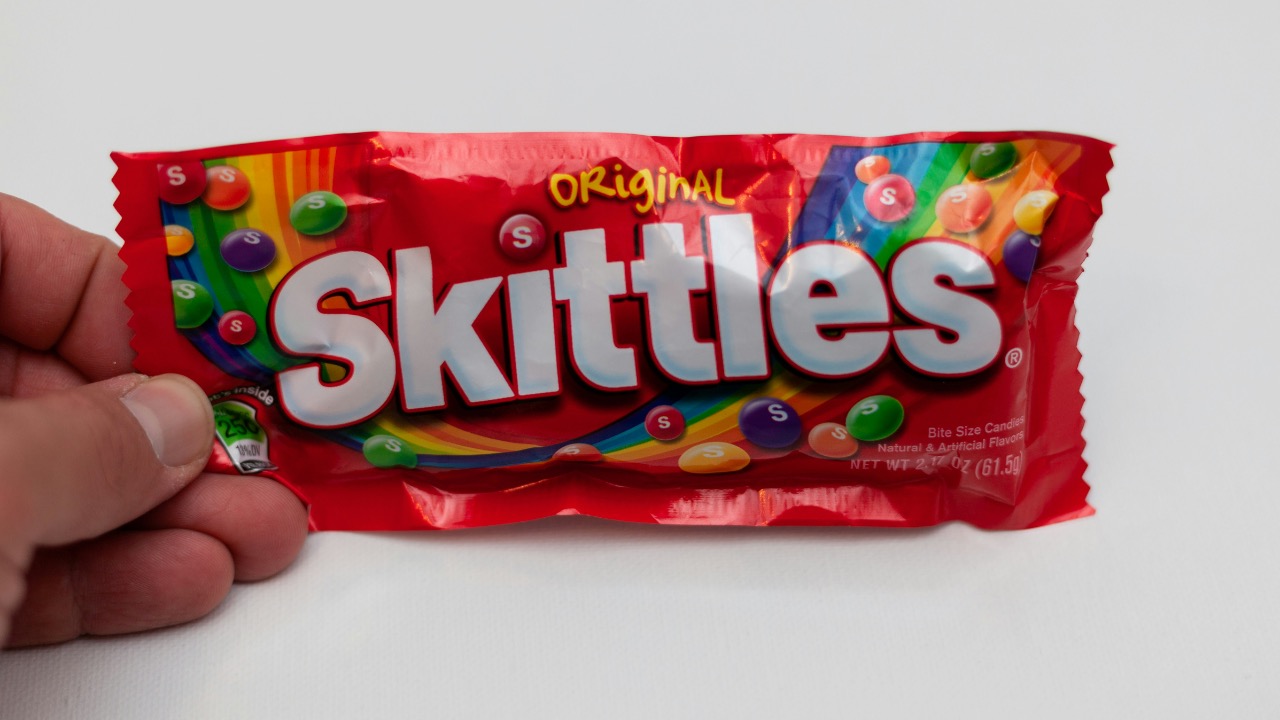
In some countries, artificial dyes used in candies like Skittles are restricted or require warning labels due to concerns about certain synthetic food colorings. In the U.S., however, they remain widely sold in their original form and are a staple in convenience stores and movie theaters.
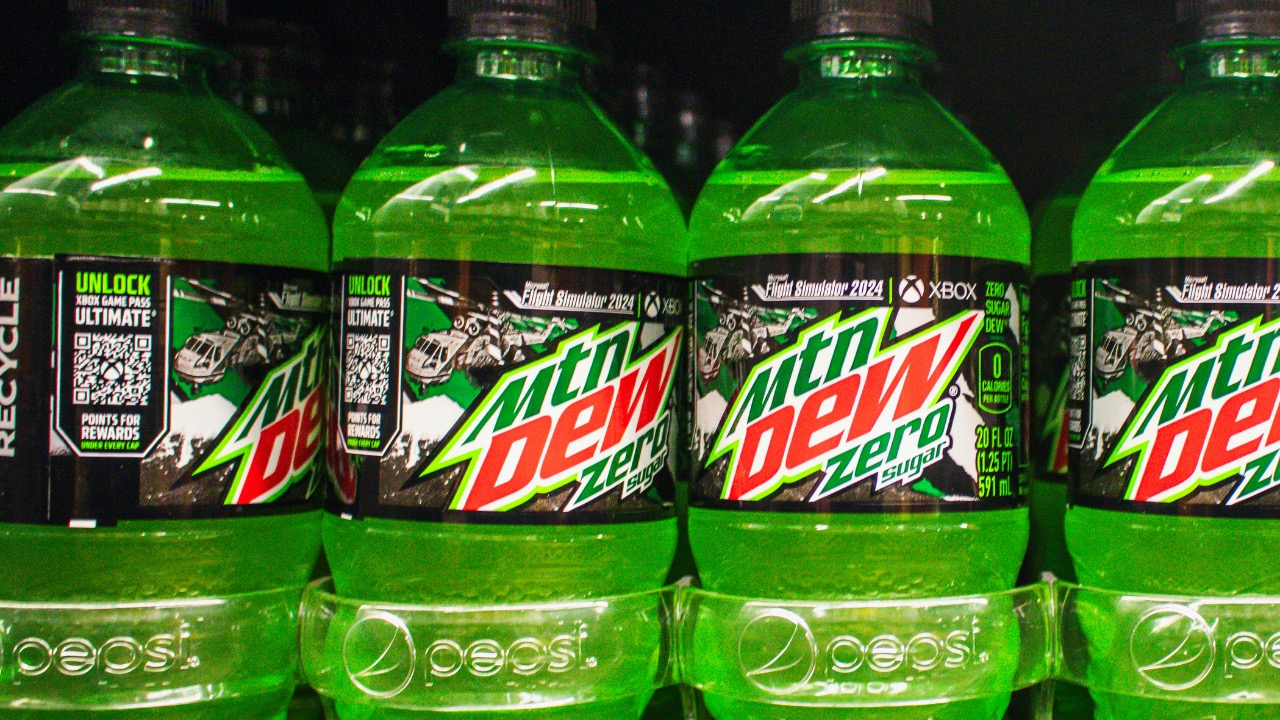
2. Mountain Dew (certain formulations)
Some versions of soft drinks like Mountain Dew have historically contained additives or coloring agents that are restricted or reformulated in other countries. While formulas vary globally, the U.S. version remains one of the most widely consumed.
3. Farm-raised salmon with color additives
In the U.S., farmed salmon is often treated with color additives in feed to achieve its pink-orange appearance. In some countries, labeling requirements are stricter, and consumers are more likely to see untreated or differently labeled products.
4. Bleached flour products
Many baked goods in the U.S. are made with bleached flour, which is processed using chemical agents to whiten and soften it. In some countries, bleaching agents are restricted, and unbleached flour is more common in packaged foods.
5. Ractopamine-treated pork
Some pork products in the U.S. may come from animals fed ractopamine, a feed additive banned or restricted in several countries due to animal welfare and health concerns. However, it is still permitted in U.S. agriculture under regulated limits.
6. Brominated vegetable oil (BVO) beverages (historically)
BVO, once used in some citrus-flavored soft drinks, has been restricted or phased out in several countries over health concerns. While many U.S. brands have removed it or reduced its use, it has historically been more common in American beverages than elsewhere.
Why Food Rules Differ So Much
Food regulations aren’t universal. Different countries set their own standards based on research, public health policy, and how risk is interpreted. That means ingredients allowed in one place may be restricted in another, even if the science is still debated.
Why This Topic Gets So Much Attention
Lists like this tend to go viral because they tap into a simple reaction: “Wait… I eat that?”
But the reality is usually more nuanced. Many of these ingredients aren’t outright “dangerous” in the way social media posts suggest — they’re often regulated differently, labeled differently, or phased out at different speeds depending on the country.
Still, it’s a reminder that what we consider normal food is often just what we grew up seeing on the shelf.

Leo’s been tracking game and tuning gear since he could stand upright. He’s sharp, driven, and knows how to keep things running when conditions turn.