These Guns Increased in Value 400% Faster Than Anyone Predicted
If you’ve been around guns long enough, you’ve seen it happen. Something sits on racks for years, overlooked and underpriced, then all at once it takes off. Sometimes it’s a military surplus wave drying up. Sometimes it’s a ban, a movie, or a shift in collector taste. Either way, the curve doesn’t creep—it jumps.
The guns that spike the hardest usually share a few traits: limited supply, a clean backstory, and a moment when people realize they waited too long. You don’t need to guess at it after the fact—you can look at what’s already happened. These are the firearms that climbed fast and left a lot of folks wishing they’d bought sooner.
Russian SKS Carbines Went From Crates to Collectibles
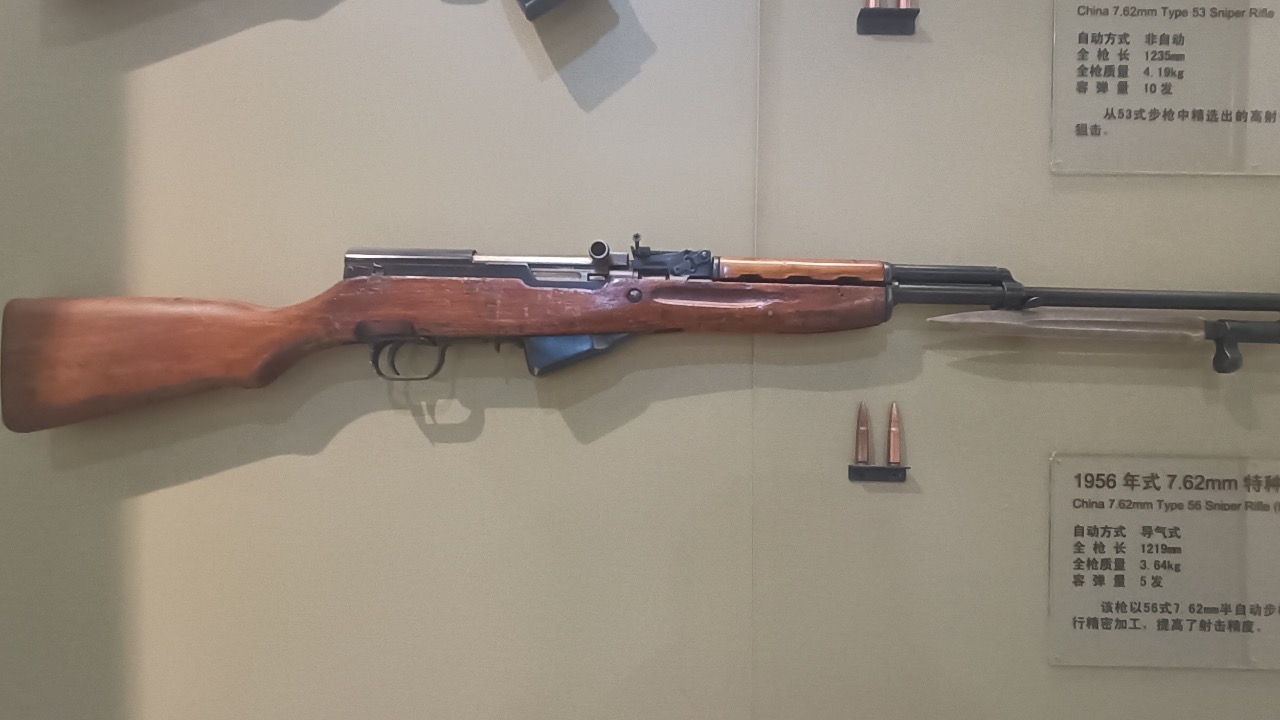
There was a time when SKS rifles were stacked in wooden crates and sold cheap. You could pick one up without thinking twice. That window didn’t last. Imports slowed, then tightened, and suddenly those same rifles weren’t everywhere anymore.
Condition started to matter. Matching numbers, original stocks, and unmodified rifles pulled ahead. The price didn’t creep—it jumped in waves as supply dried up. You’ve now got rifles that once sold for a couple hundred dollars bringing several times that, especially the cleaner examples. The lesson here is straightforward: surplus doesn’t stay surplus forever.
Pre-64 Winchester Model 70 Rifles Quietly Took Off
For years, the difference between pre-64 and post-64 rifles was something older hunters talked about more than the market reflected. Then buyers caught up. Once they did, prices separated fast.
You’re looking at controlled-round feed actions, better machining, and a reputation that held up over decades. As collectors and shooters both started chasing them, supply tightened. Clean rifles with original finishes climbed the fastest. It wasn’t loud or sudden at first, but once momentum built, values moved in a way that caught plenty of people off guard.
Colt Python Revolvers Surged After Production Stopped
When Colt stopped making the Python, it didn’t explode overnight. For a while, prices inched upward. Then supply met growing demand, and things changed quickly.
You had a revolver known for its fit, finish, and smooth action, paired with a name that carried weight. Once shooters realized no more were coming, the market reacted. Even well-used examples climbed. High-condition guns moved even faster. When production restarted years later, it didn’t push old prices down—it reinforced how desirable the originals had become.
HK Roller-Delayed Rifles Climbed With Import Limits
Rifles built on the HK roller-delayed system followed a familiar path. Imports came in waves, then slowed, then stopped. Each pause pushed prices higher.
You’re dealing with rifles that have military roots and a strong following. Once supply tightened, demand didn’t fade—it intensified. Original imports, especially in good condition, moved the fastest. Clones filled some of the gap, but they didn’t replace the real thing in the eyes of collectors. That gap between supply and demand is where the sharp increases showed up.
Marlin Lever Guns Spiked During Production Uncertainty
When Marlin production hit a rough stretch during the company transition, the market noticed right away. Availability dropped, and people who had been putting off a purchase changed their minds fast.
Lever guns already had a steady following. Add uncertainty about quality and future production, and you get a surge. Older rifles with solid fit and finish started bringing more money, and they kept climbing as shelves stayed thin. Even after production stabilized, prices didn’t fully settle back. Once buyers adjust upward, they tend to stay there.
Military Surplus Mausers Rose as Supply Dried Up
Mauser rifles were once the backbone of the surplus market. Cheap, plentiful, and easy to find. That changed as import sources dried up and global supply tightened.
As fewer rifles entered the country, collectors began sorting through what remained. Matching numbers, original finishes, and specific variants started commanding real premiums. You could still find shooters at lower prices, but the top end moved fast. Over time, even average rifles climbed as the baseline shifted upward.
Browning Hi-Power Pistols Jumped After Discontinuation
When production of the Hi-Power ended, the market reacted in a way that surprised some people. It had always been respected, but not everyone expected the surge that followed.
You had a proven design with military history and a strong shooting reputation. Once new production stopped, buyers started looking harder at what was already out there. Clean examples moved first, then everything else followed. The longer production stayed quiet, the more prices separated from where they had been.
Norinco Imports Gained Ground as Restrictions Tightened
Norinco firearms spent years being overlooked or undervalued. That changed once import restrictions locked the door behind them. Supply became fixed overnight.
With no new rifles or pistols coming in, the existing pool started to matter more. Shooters who had ignored them began to take a second look, especially at models that held up well under use. Prices didn’t jump all at once, but they climbed steadily, then picked up speed as availability thinned out.
Early Glock Pistols Found a Collector Base
Glocks were built as working guns, not collectibles. For a long time, nobody treated them that way. Then early production models started getting attention.
First-generation and early second-generation pistols, especially in original condition, began to separate from the pack. Packaging, matching parts, and documented history added value. It wasn’t driven by rarity alone—it was driven by recognition that these were the starting point of a major shift in handgun design. Once that idea took hold, prices followed.
Winchester Lever Actions Keep Climbing With History Behind Them
Older Winchester lever guns have been rising for years, but certain models made sharper moves when interest picked up again. History plays a big role here, and it doesn’t fade.
You’ve got rifles tied to hunting culture and American history, and there’s a limited number of clean examples left. As collectors compete for better-condition guns, prices move quickly. Even rifles that saw honest use have climbed as demand stays strong. When a firearm carries both function and story, it tends to hold attention—and value.
You can’t catch every rise, but you can learn the pattern. When supply tightens, when production stops, or when people finally recognize what’s sitting in front of them, prices move. The hard part isn’t spotting it after the fact—it’s acting before everyone else does.

Asher was raised in the woods and on the water, and it shows. He’s logged more hours behind a rifle and under a heavy pack than most men twice his age.