Man Who Tortured Wolf, Taped Its Mouth and Shot It Gets Slap on the Wrist — Public Outrage Explodes
You’ve probably seen the images or the headlines, and they hit hard. Back in late February 2024, Cody Roberts, a 44-year-old father of four from Daniel, Wyoming, ran over a young gray wolf with his snowmobile in a part of the state where predators like her can be killed legally at any time. Instead of ending things quickly, he taped her jaws shut, leashed her, and brought the suffering animal into a local bar. What followed was hours of public display before he shot her behind the tavern. Two years later, his sentence has landed, and the reaction has been swift and loud. People expected real consequences for the cruelty. What they got was supervised probation and a fine.
The chase that started it all on a winter night
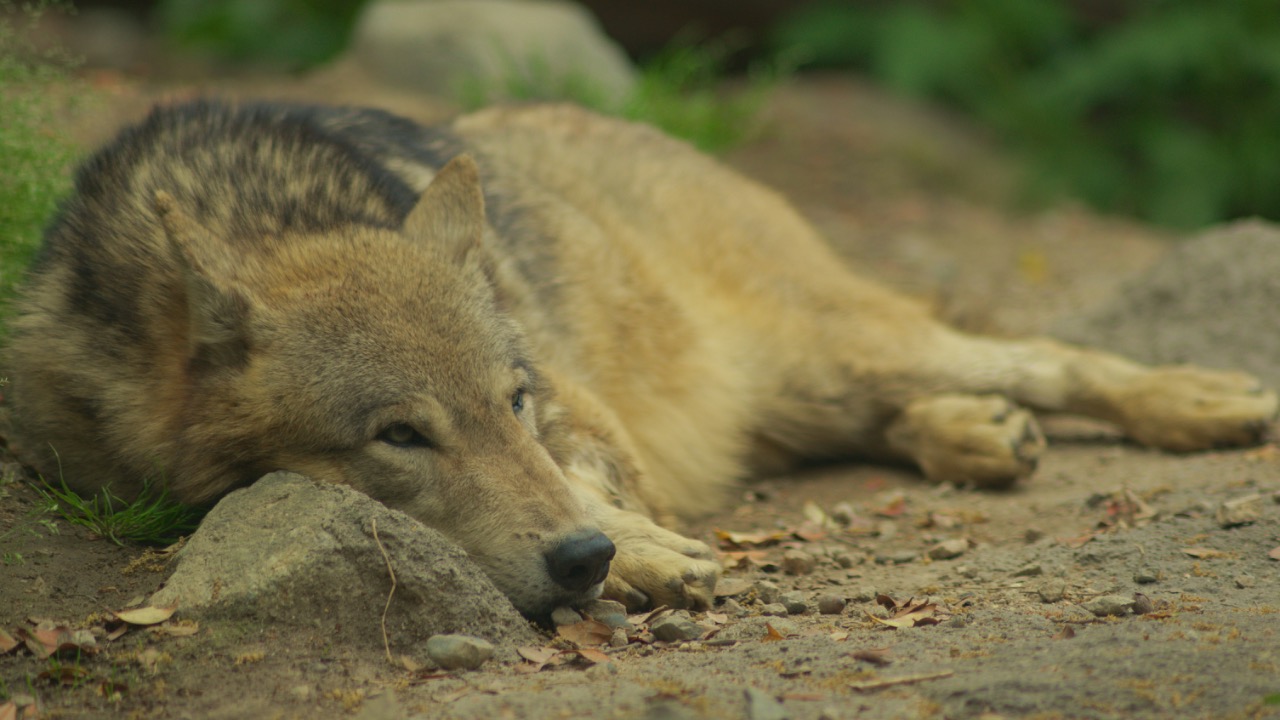
Roberts was out on his snowmobile in Sublette County when he spotted the yearling female wolf, born the year before and barely nine months old. He pursued her and struck her hard enough to leave her gravely injured but still alive. Rather than dispatch her on the spot, he chose to restrain the animal. He wrapped red tape tightly around her snout to keep her mouth closed and fitted her with a leash. The wolf, already in obvious pain from internal injuries, could barely move. Witnesses later described her as barely conscious by the time she reached the bar. This was no quick kill in a legal predator zone. It was a decision to prolong the suffering, and that choice set everything else in motion.
People in small-town Wyoming know snowmobile season well, but this went far beyond typical hunting. The wolf’s condition when Roberts captured her alive made clear she was no threat. Yet he kept her that way for hours. Court records and later investigations confirmed the sequence. What happened next turned a private act into something the whole country would see.
What unfolded inside the Green River Bar
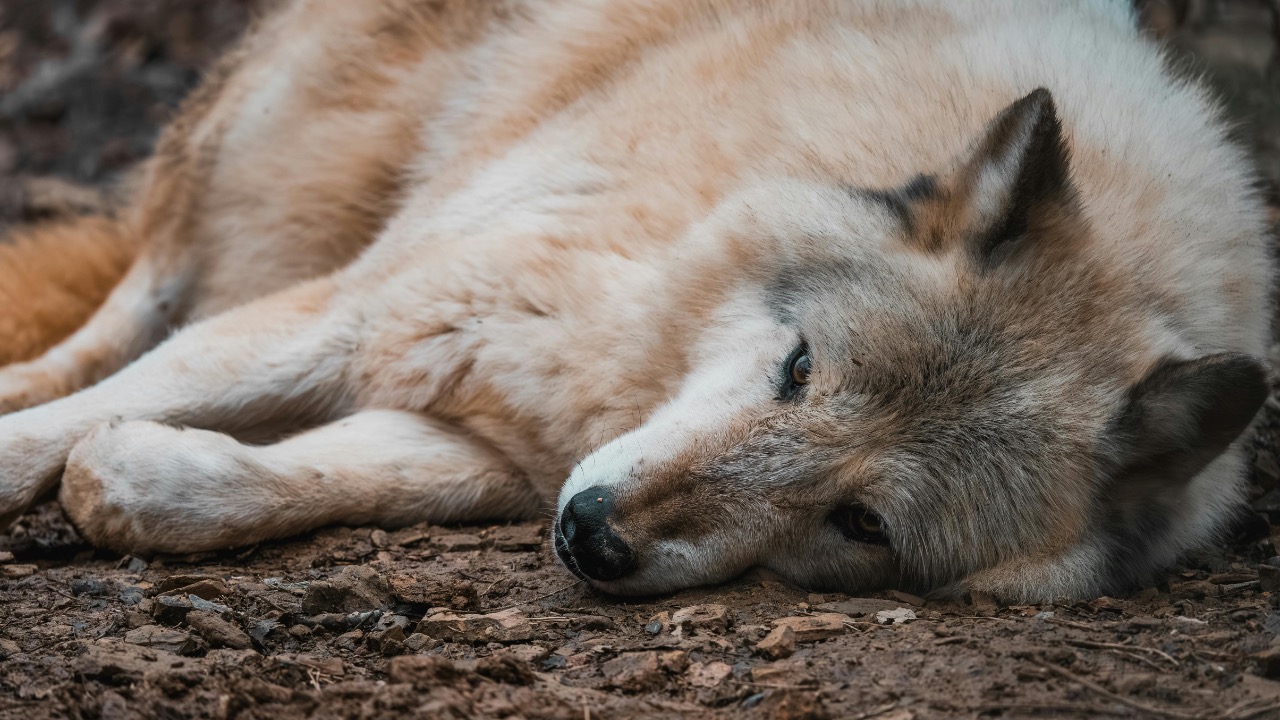
Roberts walked into the Green River Bar in Daniel carrying the leashed wolf and at first joked that she was a lost cattle dog. The bartender sensed something was off and warned him about bringing in anything dangerous. Still, the animal stayed for hours. She lay on the floor, barely moving, her taped mouth preventing even a yawn or normal breathing. Around 30 people were there that night, some friends or family of Roberts. A few petted her or took photos while she suffered. Video footage captured her on the bar floor, alive but clearly in distress. No one stopped the display outright, though some patrons left uncomfortable.
The scene dragged on while Roberts, who had been drinking, acted self-aggrandizing. He showed her off like a trophy. An eyewitness who later reported it to authorities described the wolf’s eyes and twitching feet as signs of profound pain. She resisted being led in at first but had little fight left. The bar owner felt uneasy but did not kick them out. By the end of the night, Roberts took the wolf outside and shot her behind the tavern. The whole episode lasted hours longer than necessary.
Evidence that spread faster than the investigation
Photos and videos from that night surfaced quickly. One image showed Roberts posing next to the wolf with her mouth taped shut. Another captured her lying motionless on the bar floor. Those visuals went viral almost immediately after the eyewitness alerted Wyoming Game and Fish on March 1, 2024. The agency had already issued Roberts a $250 citation for illegally possessing a live wolf. But the images made clear this was more than a paperwork violation. Public pressure built fast. People across the state and country demanded felony charges, pointing to the deliberate restraint and public display as clear cruelty.
Investigators from Game and Fish and the Sublette County Sheriff’s Office gathered evidence together. They confirmed Roberts had the wolf at his home and a private business too. The case moved slowly at first, but the grand jury eventually indicted him on felony animal cruelty. The evidence left little room for doubt about what took place inside that bar.
Why the law treated this as felony cruelty
Wyoming allows anyone to kill wolves in most of the state without a license or limit, any time of year, by pretty much any method. That is the rule in predator zones like the one near Daniel. But the law draws a firm line at cruelty. You cannot torment an animal, even one you plan to kill. Prosecutors focused on what happened after the initial hit: the taping of the mouth, the leash, the hours of keeping her alive and on display. Judge Richard Lavery later put it plainly in court. Predators can be killed by any means, but it cannot be done cruelly. The keeping of the animal was the crime.
That distinction mattered. Roberts faced up to two years in prison and a $5,000 fine if convicted at trial. The felony charge recognized that his actions went beyond legal hunting into deliberate mistreatment. Animal cruelty statutes exist for exactly this kind of case, even when the victim is a predator.
The long wait for charges and the eventual guilty plea
Months passed after the February 29, 2024 incident before a grand jury acted in August 2025. Roberts initially pleaded not guilty. His trial was tentatively set for March 2026. Then, in February 2026, he reached a plea agreement with Sublette County Prosecutor Clayton Melinkovich. He changed his plea to guilty on one count of felony animal cruelty at a March hearing and expressed remorse to his family and the community. The deal avoided a full trial. In exchange, prosecutors recommended probation rather than prison time.
The process took nearly two years from the night in the bar to the plea. Public frustration grew with each delay. Many wondered why such clear evidence took so long to produce serious charges. Once the guilty plea landed, attention shifted to sentencing.
What the judge handed down on sentencing day
On April 9, 2026, Sweetwater County District Judge Richard Lavery sentenced Roberts in Pinedale. He called the charge disturbing but accepted the plea deal. Instead of prison, Roberts received 18 months of supervised probation and a $1,450 fine plus court costs and a $300 victim surcharge. The judge suspended a potential two-year prison term. He noted that alcohol played a role in the incident and in Roberts’ life, so sobriety would be key. The sentence reflected the deal prosecutors struck, even though some in the courtroom and beyond felt it fell short.
Lavery emphasized the legal boundary. It was not the capture itself but the cruelty afterward that crossed into crime. The ruling kept Roberts out of jail as long as he follows every probation rule.
The strict rules attached to his probation
Roberts must check in regularly with a probation officer for the full 18 months. He cannot hunt, fish, or even collect shed antlers. Alcohol is banned entirely, along with any entry into bars, lounges, or liquor stores. He has to complete a substance abuse evaluation and follow all recommendations from a level-one alcohol program. Other conditions include leading a worthy and reputable life, avoiding people of negative character, providing a DNA sample, and steering clear of police scanners or dangerous weapons and firearms.
These terms aim to keep him accountable and address the factors behind his actions. Violating any of them could send him to prison on the suspended sentence. Still, many watching the case argued that the lack of actual jail time undermined the seriousness of the cruelty.
Why the light sentence triggered fresh outrage
Word of the probation-only outcome spread quickly after the April 9 hearing. Animal welfare groups expressed disgust that someone who taped a wounded wolf’s mouth shut and paraded her through a bar would walk away without prison time. Social media lit up with renewed calls for harsher penalties in animal cruelty cases. People pointed out that typical sentences for felony cruelty in Wyoming run 18 to 24 months behind bars. Here, that was suspended entirely. The prosecutor acknowledged some disappointment but defended the deal as appropriate given all the circumstances and the legislature’s view of animal cruelty as a nonviolent offense.
The fresh wave of anger echoed the original backlash from 2024. Many felt the system failed to match the severity of what the wolf endured.
How this case highlights cracks in Wyoming’s wolf rules
Wyoming removed gray wolves from endangered status years ago and treats them as predators in large parts of the state. That means no bag limits, no seasons, and broad methods allowed. The Roberts case shows where that approach collides with basic standards against cruelty. Advocates have long pushed for clearer boundaries and stronger enforcement when animals suffer unnecessarily. The incident has renewed calls in Congress and elsewhere to tighten rules around snowmobile use on wildlife and to make sure cruelty charges carry real weight regardless of the species.
Even supporters of Wyoming’s wolf management agree the facts here were disturbing. The legal framework permitted the kill but not the manner in which it happened. That gap is what fueled two years of headlines and ongoing debate.
What happens next for accountability and wildlife policy
The probation period will test whether the conditions hold Roberts in line. Animal groups continue pressing for broader reforms so cases like this produce more consistent consequences. The story of the wolf from Daniel has become a flashpoint, reminding everyone that legal hunting still comes with limits on how far it can go. People across the country who followed the photos and updates are watching to see if the system learns anything from it. For now, the sentence stands, but the conversation it started is far from over.

Asher was raised in the woods and on the water, and it shows. He’s logged more hours behind a rifle and under a heavy pack than most men twice his age.