Iran Warns It Can Sink U.S. Destroyer in Strait of Hormuz in Under 30 Minutes
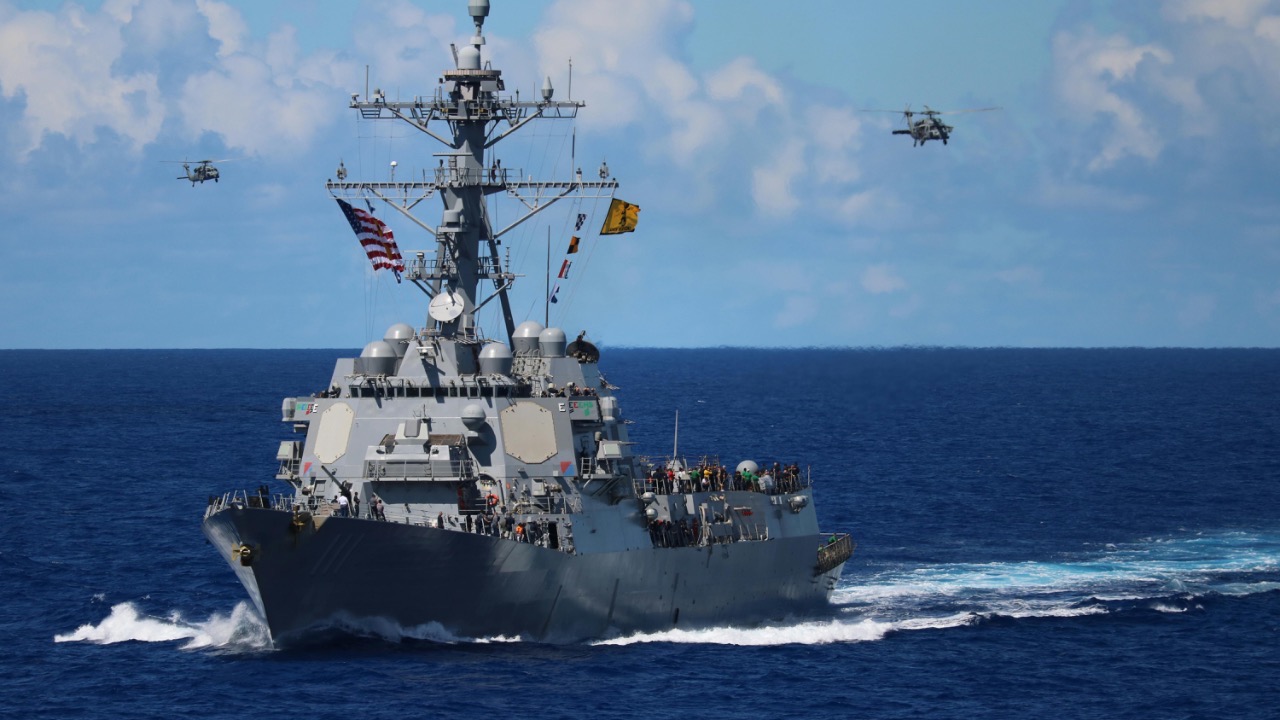
You catch headlines like this and sense the weight of decades-old friction flaring up again in one of the world’s busiest shipping lanes. Iran delivered a direct warning to a U.S. Navy destroyer approaching the Strait of Hormuz on Saturday. Through Pakistani intermediaries, Tehran made clear that any continued movement by the vessel would trigger an attack within thirty minutes. The message also tied the threat to ongoing talks aimed at solidifying a fragile ceasefire. At the same time, U.S. officials described recent destroyer transits as routine freedom-of-navigation operations, adding another layer of contradiction to an already tense moment in the Gulf.
The Warning That Reached Washington Through Islamabad
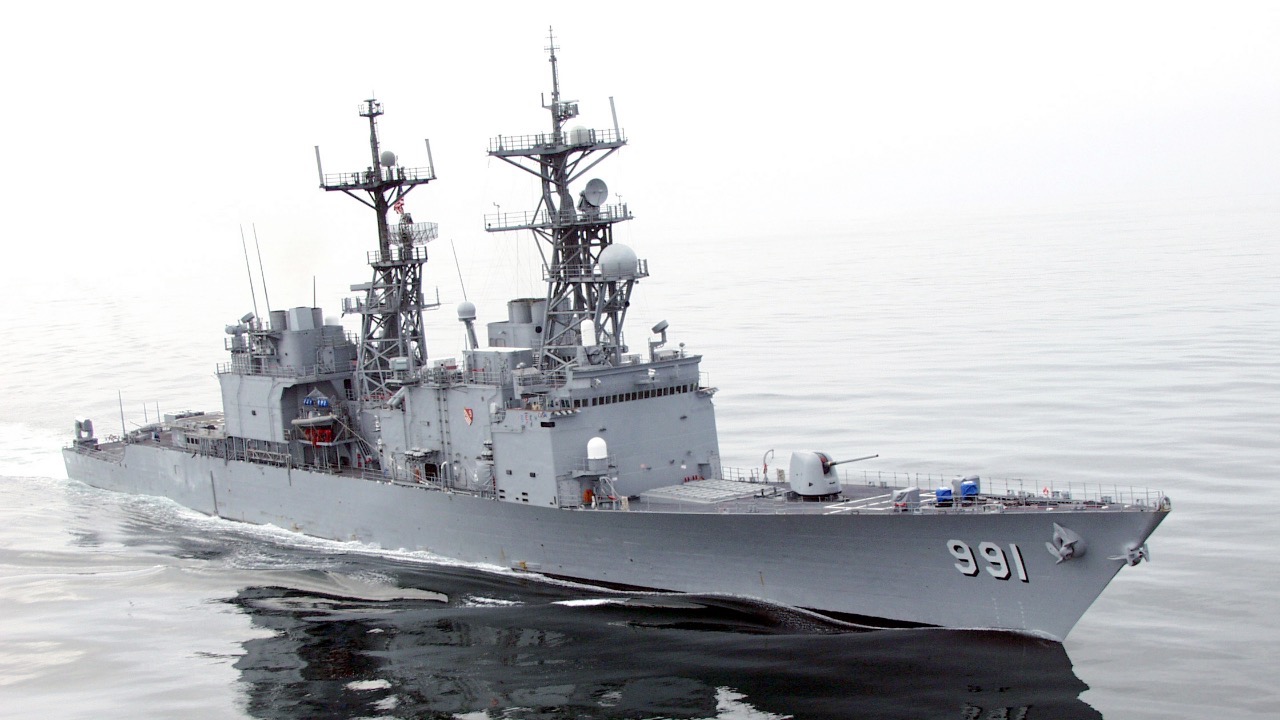
Iranian state media reported that armed forces monitored the destroyer as it left the port of Fujairah and headed toward the strait. Officials passed the details to their delegation in Pakistan, where direct negotiations with the United States have been under way. The relayed warning left no room for misunderstanding: keep moving and the ship faces targeting in under half an hour. That timeline, Iranian sources emphasized, also risked damaging the broader diplomatic track. You see how quickly a single naval maneuver can ripple into the ceasefire conversations happening hundreds of miles away.
Pakistani officials served as the quiet conduit, a role they have played before in sensitive exchanges between the two sides. The episode unfolded hours after reports of U.S. guided-missile destroyers completing passages through the waterway. Iran denied those crossings ever succeeded, insisting the vessels turned back once the warning landed. Both accounts agree on one point—the waters remain a flashpoint where miscalculation carries heavy consequences.
Conflicting Accounts of What Actually Happened at Sea
U.S. accounts paint a different picture from the one coming out of Tehran. President Trump posted on Truth Social that American ships had begun the process of clearing the strait, framing the operation as a service to global shipping. Pentagon sources confirmed two destroyers moved through the channel without incident in what they called a standard mission. You can almost picture the contrasting briefings—one side claiming a successful transit, the other insisting the threat forced a retreat.
Iranian Revolutionary Guard Corps statements went further, describing a firm and decisive response to any unauthorized military vessel. Some reports mentioned drone activity and missile locks, though independent verification remains limited. The gap between the two narratives underscores how each capital is shaping the story for its own audience while the ships themselves operate in contested waters.
Why the Strait of Hormuz Remains a Global Chokepoint
Roughly one-fifth of the world’s traded oil passes through this narrow stretch of water between Iran and Oman. Tankers loaded with crude from Saudi Arabia, Iraq, Kuwait, and the United Arab Emirates rely on it daily. You understand why any credible threat here sends ripples through energy markets and insurance rates almost instantly. Closing or even slowing traffic would hit economies far beyond the Gulf.
Iran has long maintained it can disrupt passage if it chooses. Its military has practiced scenarios involving fast-attack boats, anti-ship missiles, and mine-laying operations. The latest warning fits a familiar pattern: Tehran signals that it controls the waterway and will defend its interests when challenged.
Iran’s Perspective on the Naval Moves
From Tehran’s viewpoint, the U.S. destroyer activity looked like a direct test of the recent ceasefire. State television and Fars News Agency described the warning as a measured reply rather than an escalation. They argued that military ships entering without coordination violated the spirit of the ongoing talks in Islamabad. You can see how Iranian leaders frame their actions as defensive, aimed at protecting sovereignty over waters they consider vital.
The Islamic Revolutionary Guard Corps issued repeated statements that any future attempts would meet the same response. They denied U.S. claims of successful transits and released footage they said showed their forces monitoring the area. The message was consistent: the strait is not a free-for-all for foreign warships.
The U.S. Side and the Push to Keep Lanes Open
Washington views the strait as an international waterway where freedom of navigation must be upheld. Recent destroyer movements, according to U.S. officials, were meant to demonstrate exactly that. Trump’s public comments suggested the operations were part of a larger effort to restore normal traffic after months of disruption during the earlier conflict. You notice how both governments are using the same events to project strength to their domestic bases.
The Pentagon has not confirmed any ship turned around because of the Iranian warning. Instead, spokespeople described the passages as uneventful and in line with long-standing policy. That difference in reporting keeps the diplomatic temperature elevated even as talks continue.
Pakistan’s Behind-the-Scenes Mediation Efforts
Pakistan finds itself in a delicate position, relaying messages between two adversaries with deep stakes in the region. The intermediaries carried Iran’s thirty-minute timeline directly to the U.S. side in Islamabad. You see the value of such a channel when direct communication is limited and time is short. It prevented an immediate confrontation and kept the ceasefire process alive.
Pakistani diplomats have hosted multiple rounds of discussions aimed at ending the conflict that previously shut down much of the strait’s traffic. Their role highlights how third parties often step in to manage crises that could otherwise spiral.
What This Means for the Fragile Ceasefire
The incident arrives at a sensitive moment when both sides are trying to move beyond active fighting. Negotiators in Islamabad are working on terms that would stabilize the Gulf and reopen shipping routes fully. A single naval standoff threatens to undermine that progress. You realize how quickly trust can erode when military posturing collides with diplomatic efforts.
Iran linked the warning explicitly to the talks, suggesting that continued U.S. moves could damage the process. American officials, meanwhile, insist the operations support rather than undermine stability. The coming days will show whether the two capitals can keep the conversation going despite the exchange of threats.
Looking Ahead at the Risks in the Gulf
Military analysts note that the strait’s geography favors quick strikes from shore-based systems. Iran’s arsenal includes advanced anti-ship missiles and swarms of small boats designed for exactly this kind of scenario. At the same time, U.S. Navy destroyers carry sophisticated defenses and operate with carrier strike groups nearby. You understand that neither side wants a full clash, yet the potential for one remains real.
Energy prices have already reacted to the news, with traders watching for any sign that the waterway could face prolonged disruption. Global supply chains, already tested by earlier conflict, could face fresh pressure if tensions rise again. For now, the warning serves as a reminder that the ceasefire is holding by a thread, and the next ship movement could test it once more.

Asher was raised in the woods and on the water, and it shows. He’s logged more hours behind a rifle and under a heavy pack than most men twice his age.