What experienced outdoorsmen carry that others overlook
Seasoned hikers, hunters, and guides tend to carry leaner packs than beginners, yet they somehow seem more prepared. The difference usually is not expensive gadgets, but a handful of unfashionable, multiuse items that quietly solve problems before they become emergencies. Look at what experienced outdoorsmen keep within reach and a pattern appears: they plan for boredom, discomfort, and small failures just as carefully as they plan for navigation and shelter.
The quiet foundation: 10 essentials, refined
Veteran backcountry travelers rarely leave the trailhead without a version of the classic “10 essentials” for navigation, shelter, fire, and medical care. Lists from groups such as the National Park Service spell out core categories like navigation, sun protection, insulation, illumination, first aid, fire, repair tools, nutrition, hydration, and emergency shelter, and many experienced hikers treat these as non‑negotiable baseline gear. Retail checklists for day hiking echo the same structure, pairing map and compass with layers, headlamp, food, and water so that even a short outing can absorb an unexpected night outside.
What separates long‑time outdoorsmen is how they tune this foundation. Instead of a bulky flashlight, they carry a tiny headlamp with fresh batteries. Rather than a single cotton hoodie, they pack a compact synthetic layer that still insulates when wet. They often split first aid into two pieces: a small trail kit for blisters and cuts, and a deeper kit in the car or base camp. Checklists for day hiking highlight this layering of systems, from navigation to extra clothing, as a way to keep packs light without sacrificing redundancy in core categories.
Fire tools that actually work when things are wet
Fire sits on every survival list, yet many casual hikers trust a single disposable lighter. Experienced woodsmen treat flame as a system: ignition, tinder, and airflow. Bushcraft instructors frequently praise compact tools like the pocket bellows, a collapsible metal tube that directs a jet of air into the base of coals. Demonstrations of the EOG V3 Pocket Bellows show how a short burst of focused airflow can raise core fire temperature quickly and revive damp fuel, which is far more reliable than frantic waving of a hat over smoldering sticks.
Long‑time campers often pair that airflow tool with redundant ignition sources and tinder that ignores bad weather. A ferro rod, a butane lighter, and a few cotton pads dipped in petroleum jelly weigh almost nothing yet light even in wind and rain. Some experienced hikers mention in gear breakdowns that they are “a big fan of the pocket bellows” and favor a compact knife pattern like the Hiker over the Farmer because it keeps the saw while trimming weight, a reminder that small design details can make fire prep faster in real conditions.
Storage and organization that prevent chaos
New hikers usually toss everything into one pack compartment. People who spend their lives outside treat organization as gear in its own right. One example is the simple camping storage box, which shows up in lists of underrated outdoor accessories alongside hiking and kayaking gear. A solid bin in the trunk becomes a staging area for stoves, fuel, and repair tools, so nothing crucial is forgotten at home. Commenters on the Facebook page for Alton Goods, which promotes “10 Seriously Underrated Outdoor Accessories,” echo how this kind of storage turns a cluttered garage into a grab‑and‑go system for trips, and the company positions its own box as a way to keep the Top Underrated Outdoor Accessories ready for action.
Inside the pack, experienced hikers often use small dry bags or zip pouches to separate fire, first aid, and electronics. This matters when fatigue sets in and fingers are cold. Hiking guides who write about common problems on trail point out that fatigue is not only physical but mental, and that decision‑making gets sloppy when a person is exhausted. Clear organization reduces the number of choices at the worst moment, which is why a labeled pouch can be as valuable as a more expensive knife.
Smell control and critter defense
Wildlife encounters are often framed around large animals, yet experienced backpackers worry just as much about mice and raccoons. Long distance planning guides for routes like the Appalachian Trail recommend separating food and scented items into an Odor Proof Sack, described as a large lightweight plastic bag that hides smells and can back up a traditional bear bag. The same advice notes that bears are smart and have outwitted many hanging systems, so reducing scent is an extra layer of defense.
Broader backpacking checklists now mention odor‑proof bags as a way to keep critters from associating campsites with food. These bags help hide the scent of snacks and trash from animals that have become accustomed to raiding camps, and they slow the gradual habituation that leads to more aggressive encounters. For experienced hikers, this is not about fear of wildlife but about respect. An inexpensive plastic sack weighs less than a stuff sack and can prevent a mouse from chewing through a sleeping bag to reach a forgotten energy bar, which is why it becomes a staple rather than an afterthought.
Small comforts that protect morale
Veteran outdoorsmen talk openly about the mental side of long days outside. They know that hypothermia, getting lost, or spraining an ankle are obvious threats, but they also know that low morale can push people into bad decisions. That is why their kits often include a few deliberately “nonessential” comforts. Long backpacking lists, for example, put lip balm, wet wipes, and a tiny bottle of soap in the same column as a stove and water filter. The author of one overnight packing guide notes that personal items, even on the most rugged backpacking trip, can protect against sun, sweat, and bugs and make it easier to keep moving.
Some of the most underrated comforts are social. A popular social media video from Marion Outdoors shows a compact camp chair, a small coffee kit, and a paperback novel laid out next to core gear. The host, posting as marionoutdoors, frames these items as a way to enjoy camp rather than simply endure it. Experienced hikers know that if evenings are pleasant, partners and kids are more likely to come back, which might matter more than shaving another 50 grams from a stove.
Hunting veterans and the unglamorous essentials
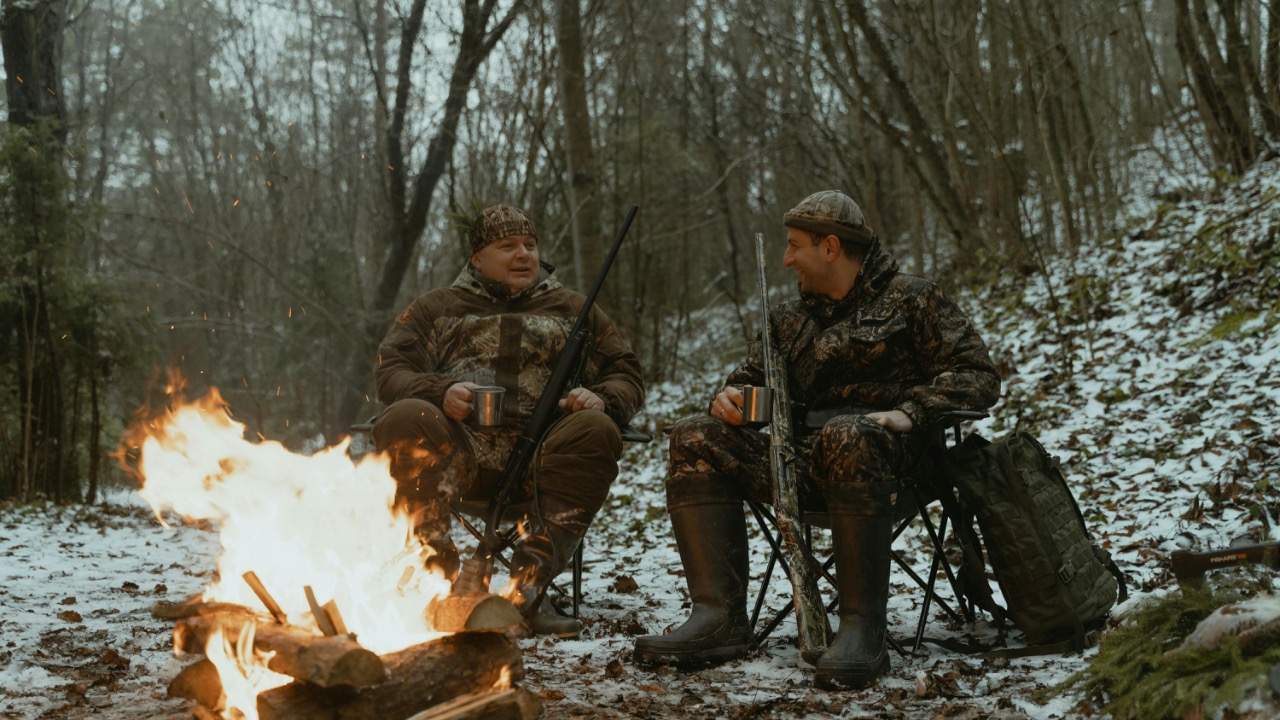
Hunters often spend long hours sitting still, which exposes a different set of overlooked needs. On a public thread about underrated hunting gear, Ethan Burton gives a blunt answer: toilet paper. He adds that sometimes leaves do not cut it. In the same discussion, Dale Thornton nominates a pee bottle, and notes that if a reader does not understand the value, that person has probably never sat all day in a cold blind. The exchange on the Hamiltonville Farm page, where users share their most underrated piece of hunting gear, highlights how bodily needs can become genuine safety issues when temperatures drop or when leaving cover would spook game.
Experienced hunters often add a small urinal bottle and a roll of unscented paper to their pack as standard loadout. They might also stash a compact seat pad, chemical hand warmers, and a spare pair of dry socks. None of these items appear glamorous, yet they prevent numb feet, chafing, and distraction, all of which can lead to poor shooting decisions or early exits from the field. The lesson crosses over to hikers: comfort is not indulgence if it keeps a person alert and willing to stay put when conditions change.
Vehicle kits as the real base camp
Many experienced outdoorsmen think in concentric rings of preparedness rather than a single pack. One gear guide for people who spend a lot of time outside describes “Ring one” as the always there core kit, then builds out to a larger set of tools that live permanently in a vehicle. That vehicle kit might include a larger first aid box, a folding saw, extra water, a warm blanket, and a way to jump start the battery. The idea is that the car or truck is not just transportation but a mobile base camp that can support several different trips.
Lists of essential gear for outdoorsmen who drive to trailheads stress that this vehicle kit should stay in place year round. A breakdown on a forest road or an unexpected storm can turn a routine drive into an overnight stay. For that reason, many seasoned hikers keep a small stove, fuel, and a few dehydrated meals in the trunk alongside a high‑visibility vest and a spare headlamp. The pack that goes on the trail can then stay lighter, while the vehicle absorbs the weight of items that are rarely needed but critical when they are.
Versatile tools instead of single‑use gadgets
Marketing often pushes specialized devices for every outdoor task, from tent‑specific stake hammers to dedicated marshmallow toasters. People who spend real time outside tend to go the other way. They favor tools that can fill several roles with minimal weight. One analysis of outdoor equipment argues that versatility should be a top priority when selecting gear, since multiuse items reduce pack weight and simplify decisions. A bandana, for example, can serve as a pot holder, prefilter for silty water, head covering, or makeshift sling.
Survival supply lists for new preppers make the same point in a different context. They warn that beginners often focus on flashy survival gear while forgetting practical essentials like trash bags, duct tape, and a manual can opener. Those overlooked items can become ponchos, ground cloths, or repair patches in the field. Guides who teach bushcraft and wilderness skills often show students how a single contractor bag can become a vapor barrier, a water collector, or an emergency pack cover, which is why they carry several despite their low profile on social media.
Bug protection that people only forget once
Ask long distance hikers about the most miserable nights they have had and many will mention insects. A gear list for Pacific Crest Trail hikers warns that trekkers will face some horrible things along the PCT, then singles out biting insects as one of those terrors. The same guide suggests at least one line of defense: a lightweight head net and effective repellent. Those weigh very little, yet they can turn a cloud of mosquitoes into a minor annoyance instead of a reason to abandon camp.
Gift guides for outdoor lovers highlight how small this investment can be. One recommendation praises a tiny, packable, lightweight Sea to Summit bug net that a hiker can wear over a hat. The reviewer notes that it is so light a person will forget it is on, until the first swarm of midges reminds them why they packed it. Many experienced backpackers keep such a net in their pack year round, since early snowmelt or a wet spring can turn a normally quiet valley into a buzzing mess with little warning.

Leo’s been tracking game and tuning gear since he could stand upright. He’s sharp, driven, and knows how to keep things running when conditions turn.