Ukraine Claims Putin Has Only Weeks of War Money Left as Russia Floats Easter Peace Deal
You see claims flying from Kyiv that Vladimir Putin’s resources for the conflict are nearly exhausted, while Moscow has agreed to a short ceasefire tied to Orthodox Easter. Both sides say they want de-escalation, yet accusations of violations started almost immediately. The timing feels deliberate. With the fighting now in its fifth year, these developments raise fresh questions about how long Russia can sustain its campaign and whether the brief pause signals any real path forward. What stands out is the contrast between the financial pressure Ukraine describes and the limited truce Russia announced.
Ukraine’s assertion about Russia’s war funding
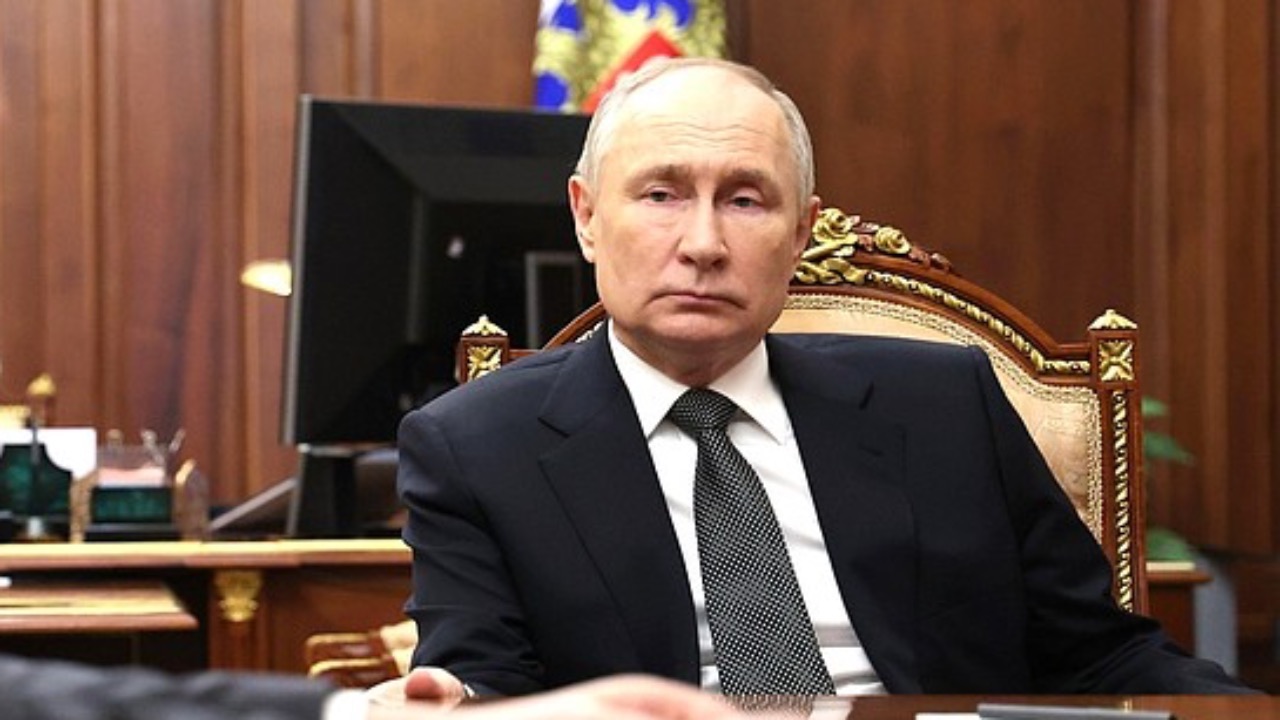
Ukrainian officials point to intelligence showing that Russia’s war reserves have dwindled faster than expected. They argue Putin faces a cash crunch that could limit major operations within weeks unless he finds new sources of money. Reports from Kyiv highlight recent moves by the Kremlin to ask wealthy businessmen for voluntary contributions, framing it as a sign of strain rather than strength.
This view fits a pattern of economic pressure building on Moscow from sanctions and battlefield costs. Ukrainian analysts say the numbers simply do not add up for prolonged fighting at current levels, and they see the Easter ceasefire as an attempt by Russia to buy time while it scrambles for funds.
The Easter ceasefire and how it unfolded
Russia declared a 32-hour halt in fighting that began at 4 p.m. Moscow time on Saturday and ran through the end of Sunday. President Putin presented the move as a humanitarian gesture for Orthodox Easter. Ukrainian President Volodymyr Zelensky had proposed the idea weeks earlier through mediators, only for Moscow to adopt it on its own terms and announce it unilaterally.
Both governments publicly committed to observing the pause. Yet within hours of it starting, each side began reporting drone strikes, artillery fire, and other breaches. The truce was always limited in scope, designed more for the holiday than for any lasting break in hostilities.
What the numbers on violations reveal
By Easter Sunday afternoon, Ukrainian authorities logged more than 2,000 alleged Russian violations of the ceasefire. Moscow countered with its own tally, claiming nearly 2,000 Ukrainian breaches in the same period. Neither side offered independent verification, but the rapid exchange of figures shows how fragile the agreement was from the outset.
You can see the mutual distrust at work here. Each government used the data to portray the other as unreliable, even while insisting it had honored the spirit of the holiday pause. The back-and-forth underscores why longer-term talks remain so difficult.
Russia’s hint of a broader peace opening
Alongside the ceasefire announcement, Russian statements suggested a peace deal could be on the horizon if conditions align. Officials in Moscow described the Easter pause as part of a larger willingness to negotiate once certain security concerns are met. Ukrainian sources interpret this language as a tactical softening rather than a genuine shift.
The timing coincides with ongoing diplomatic efforts involving the United States and other mediators. While no concrete proposals have emerged publicly, the combination of funding worries in Russia and this limited truce keeps speculation alive about whether serious talks could gain momentum soon.
Financial realities facing both capitals
Russia continues to spend heavily on the military, yet recent appeals to oligarchs for extra cash indicate gaps in the budget. Ukraine, for its part, has warned that its own funding could tighten without steady Western support. The war’s economic toll stretches across borders, affecting everything from energy prices to reconstruction planning.
These pressures do not guarantee an end to the fighting. They do, however, create incentives for both governments to explore alternatives. The Easter developments highlight how money, timing, and public messaging all play into the larger strategic picture right now.
Reactions from Kyiv and the front lines
In Ukraine, officials welcomed the brief respite for civilians and soldiers but expressed skepticism about its long-term meaning. Zelensky’s office emphasized that any real progress depends on Russia showing concrete steps beyond a one-weekend pause. Troops on the ground reported the usual mix of tension and relief during the truce hours.
Civilians in affected areas used the quiet to rest, attend services, or check on family. The limited nature of the ceasefire meant no widespread sense of safety, only a momentary break from the constant threat of attack.
Moscow’s framing of the holiday gesture
The Kremlin portrayed Putin’s decision as an independent act of goodwill aligned with Orthodox traditions. Spokespeople stressed that Russian forces remained ready to resume operations if provoked. They also noted that Ukraine had been pushing for the truce earlier, presenting Moscow’s announcement as responsive rather than reactive.
This messaging aims to position Russia as reasonable while keeping full control over the terms. It fits a familiar pattern where limited concessions are offered without altering core positions on territory or security guarantees.
Looking ahead after the Easter pause
The ceasefire ends with both sides resuming combat and trading blame. Yet the funding claims from Ukraine and Russia’s talk of a possible deal keep the conversation alive about what comes next. Analysts watch closely to see whether economic strain leads to any meaningful diplomatic movement in the weeks ahead.
You follow these events knowing the human cost continues regardless of holiday pauses or financial forecasts. The coming days will show whether this Easter moment was simply a brief lull or the start of something more substantial. For now, the war grinds on, shaped by money, messages, and the stubborn realities on the ground.

Asher was raised in the woods and on the water, and it shows. He’s logged more hours behind a rifle and under a heavy pack than most men twice his age.