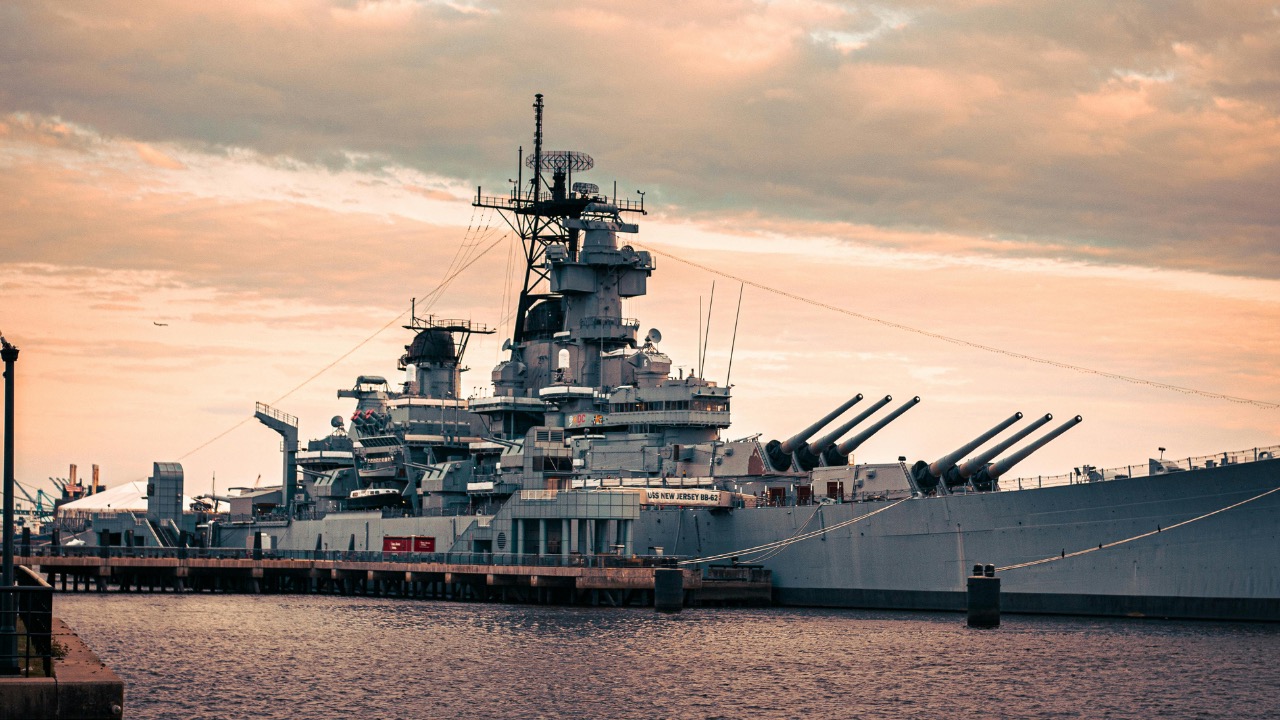
U.S. Military Begins Blockade of Iranian Ports
The United States military has begun enforcing a naval blockade of Iranian ports following the breakdown of high-level diplomatic talks, marking a sharp escalation in tensions between Washington and Tehran.
According to U.S. Central Command, the operation went into effect at 10 a.m. Eastern Time on April 13, with naval forces positioned to restrict maritime traffic entering and leaving Iranian-controlled ports along the Persian Gulf and Gulf of Oman.
What the Blockade Covers
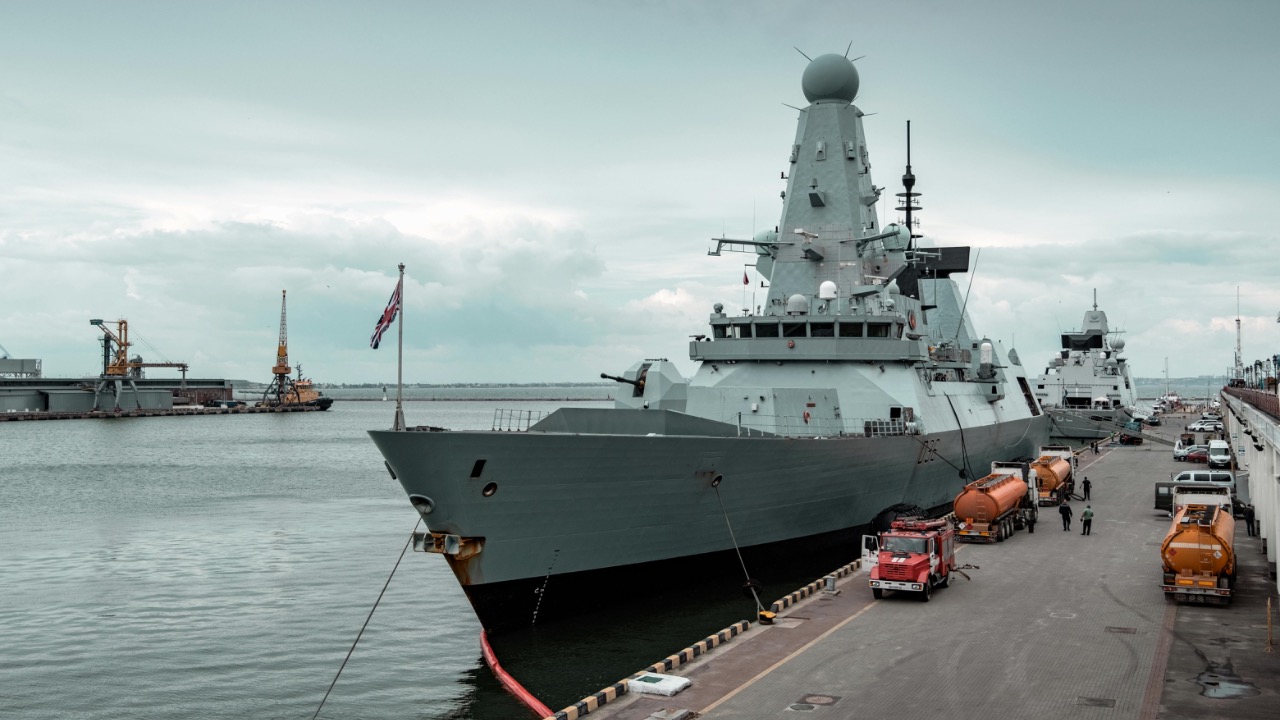
Officials say the blockade applies to all ships entering or exiting Iranian ports, regardless of nationality.
However, U.S. statements also clarify that vessels simply transiting through the Strait of Hormuz—so long as they are not docking at Iranian ports—are not being blocked under the current rules.
The move effectively targets Iran’s ability to move goods and exports while attempting to avoid completely shutting down one of the world’s most important shipping routes.
Why the U.S. Says It’s Happening
The blockade follows the collapse of recent peace negotiations between U.S. and Iranian officials, which reportedly ended without agreement on Iran’s nuclear program and regional military activity.
U.S. officials have described the action as a pressure measure aimed at restricting Iran’s economic and military capabilities through maritime control.
Iran’s Response
Iran has strongly condemned the move, warning that it will respond to any military pressure near its coastal waters.
Officials in Tehran have described the blockade as an act of escalation and have signaled that they view interference near the Strait of Hormuz as a potential trigger for retaliation.
Immediate Global Impact
Markets reacted quickly to the announcement, with oil prices rising sharply amid fears of supply disruption. Reports indicate crude benchmarks jumped above $100 per barrel following the news, reflecting concerns about global energy stability.
The Strait of Hormuz is a critical chokepoint for global oil shipments, meaning even partial disruptions can have wide-reaching effects on energy markets worldwide.
Military and Political Tensions Rising
The blockade adds another layer of tension to an already volatile situation in the region. Analysts note that while the U.S. is not fully closing international passage through the Strait, restricting Iranian port access alone represents a significant escalation in maritime pressure.
The Bigger Picture
Naval blockades are among the most serious forms of economic and military pressure short of open war. By limiting access to ports rather than shutting down the entire waterway, the U.S. appears to be aiming for maximum economic pressure while attempting to maintain some level of international shipping stability.
Still, with both sides exchanging warnings, the situation remains highly unstable—and further escalation is being closely watched by global markets and allied governments.

Leo’s been tracking game and tuning gear since he could stand upright. He’s sharp, driven, and knows how to keep things running when conditions turn.