Ten small behaviors that matter most to your dog
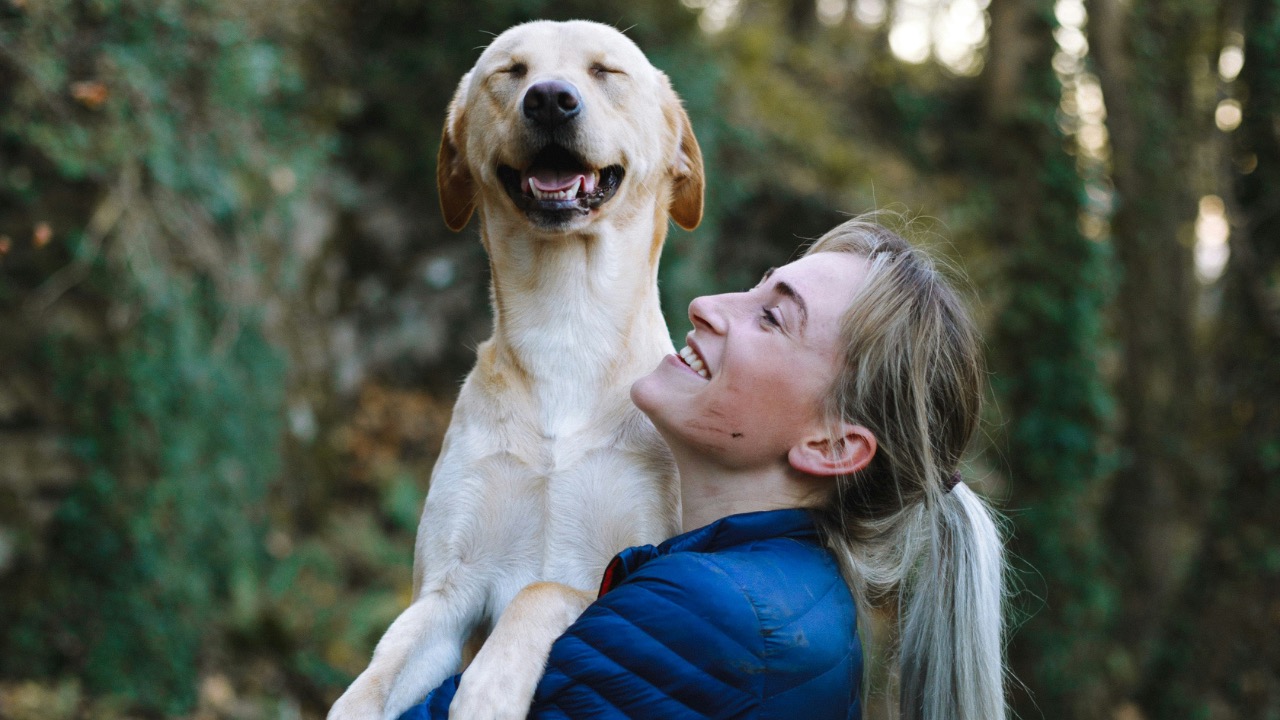
If you’ve spent enough time around dogs—in duck blinds, on back roads, or stretched out on the living room floor—you start to realize something. It’s rarely the grand gestures that shape your relationship. It’s the small, repeatable habits you show them every day. Dogs read patterns. They pay attention to tone, posture, timing, and the space you give them.
You don’t need dramatic training sessions or constant rewards to build trust. What matters most are the behaviors you don’t even think about. The way you move through a doorway. How you respond when they’re unsure. The consistency of your routine. Those little things stack up. And to your dog, they mean everything.
The Way You Enter the House

When you walk through the door, your dog is reading the room before you say a word. If you explode with energy every time, you build a pattern of overexcitement. If you ignore them completely, you may chip away at connection.
A steady, calm acknowledgment works better. Set your bag down. Let your breathing settle. Then greet them with intention. That consistency lowers anxiety and teaches them your return isn’t chaos or uncertainty. Dogs feel safest when arrivals are predictable. The way you come home becomes part of how secure they feel when you’re gone.
How You Handle the Leash
The leash isn’t just a restraint. It’s communication. When you constantly tug, snap, or let tension stay tight, your dog learns to brace against you instead of move with you.
If you walk with relaxed shoulders and a loose lead, your dog senses that steadiness. Small corrections done calmly mean more than jerky reactions. Over time, they mirror your pace and posture. A leash handled with patience builds trust. A leash handled with tension builds resistance.
Your Tone During Corrections
Dogs respond more to tone than vocabulary. You can say the right word with the wrong edge and undo your point. Sharp frustration in your voice lingers longer than you think.
When you correct calmly and immediately, the message lands clean. When you raise your voice after the moment has passed, confusion creeps in. Consistency in tone builds clarity. Dogs don’t need volume. They need timing and steadiness.
The Way You Share Space
Where you sit, how you move around them, whether you step over them or ask them to shift—it all matters. Dogs pay attention to physical boundaries.
If you gently guide them instead of stepping through their space, you show respect. If you constantly crowd or push past them, they feel pressure. Clear, calm body language creates structure without tension. Dogs understand space in a way humans often overlook.
Your Consistency With Mealtimes
Feeding at random hours may seem harmless, but routine gives dogs security. When meals happen at predictable times, stress levels drop.
It’s not about strict schedules down to the minute. It’s about reliability. When food, water checks, and feeding locations stay consistent, your dog relaxes into the rhythm of the household. Uncertainty around basics can create anxiety you won’t notice until it shows up elsewhere.
How You Respond to Fear
When your dog hesitates at a loud noise or unfamiliar situation, your reaction sets the tone. If you tense up or pull tight on the leash, you confirm there’s something to worry about.
If you stay grounded and give them space to process, they borrow your confidence. You don’t need to force exposure or overcomfort them. Steady presence is enough. Dogs look to you when they’re unsure. Your reaction teaches them whether the world is manageable or overwhelming.
The Way You End Play
Most people focus on starting play. Fewer think about how it ends. If play stops abruptly with no cue, your dog stays amped up and unsettled.
When you wind it down gradually—lower energy, shorter throws, calmer voice—you help their nervous system shift gears. That transition matters. Dogs thrive when activity has a clear beginning and a clear close. Ending well prevents overstimulation and builds emotional control.
Eye Contact at the Right Moments
Direct eye contact can mean connection or pressure depending on context. Soft eye contact during praise builds trust. Hard staring during correction can escalate tension.
When you meet their eyes with relaxed posture, you reinforce calm leadership. When your gaze is sharp or prolonged during stress, it can feel confrontational. Dogs read your face carefully. The difference between reassurance and challenge often comes down to how you look at them.
How You Touch Them
Not every dog wants constant petting. Where and when you touch them shapes their comfort. Quick pats on the head can feel intrusive to some dogs, especially during rest.
Slow, deliberate contact along the chest or shoulders often communicates better. Pay attention to their body language. Leaning in, soft eyes, relaxed muscles—those are green lights. Turning away or stiffening tells you to adjust. Thoughtful touch builds security. Automatic touch can create stress.
Your Patience With Repetition
Dogs learn through repetition, not explanation. If you show frustration when they don’t grasp something quickly, you risk slowing the process.
When you repeat cues calmly and end sessions before either of you is worn down, progress comes faster. Short, focused practice beats long, tense sessions every time. Patience isn’t flashy, but dogs recognize it. They respond to steady guidance more than emotional swings.
Small behaviors shape your dog’s world. They don’t keep score the way people do, but they track patterns with precision. Your posture, your tone, your timing—those are the details that build trust or erode it.
You don’t need to overhaul everything. Pay attention to the little things. Your dog already does.

Asher was raised in the woods and on the water, and it shows. He’s logged more hours behind a rifle and under a heavy pack than most men twice his age.