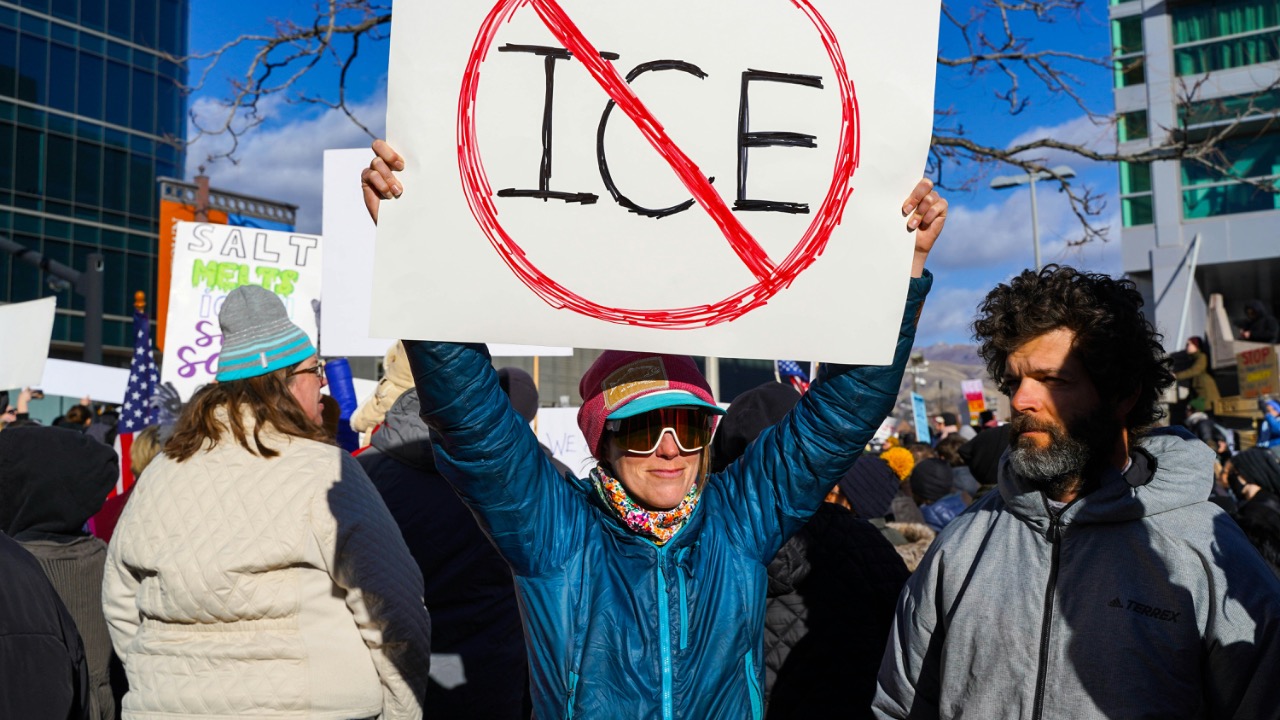
Immigration Raids Spark Protests and Local Resistance in Major Cities
Federal agents have stepped up enforcement actions across the country in recent months, focusing on workplaces, neighborhoods, and public spaces in places like Los Angeles, Minneapolis, and Chicago. These operations, part of a wider push to address immigration violations, have drawn sharp reactions from local residents who see them as disruptive and sometimes heavy-handed. Communities have responded with organized demonstrations and everyday tactics to monitor and challenge the agents on the ground. The result has been a pattern of street-level friction that highlights deep divides over how immigration rules get enforced in American cities today. Videos from these encounters spread fast, showing both calm standoffs and moments of real tension.
Raids Hit Los Angeles First
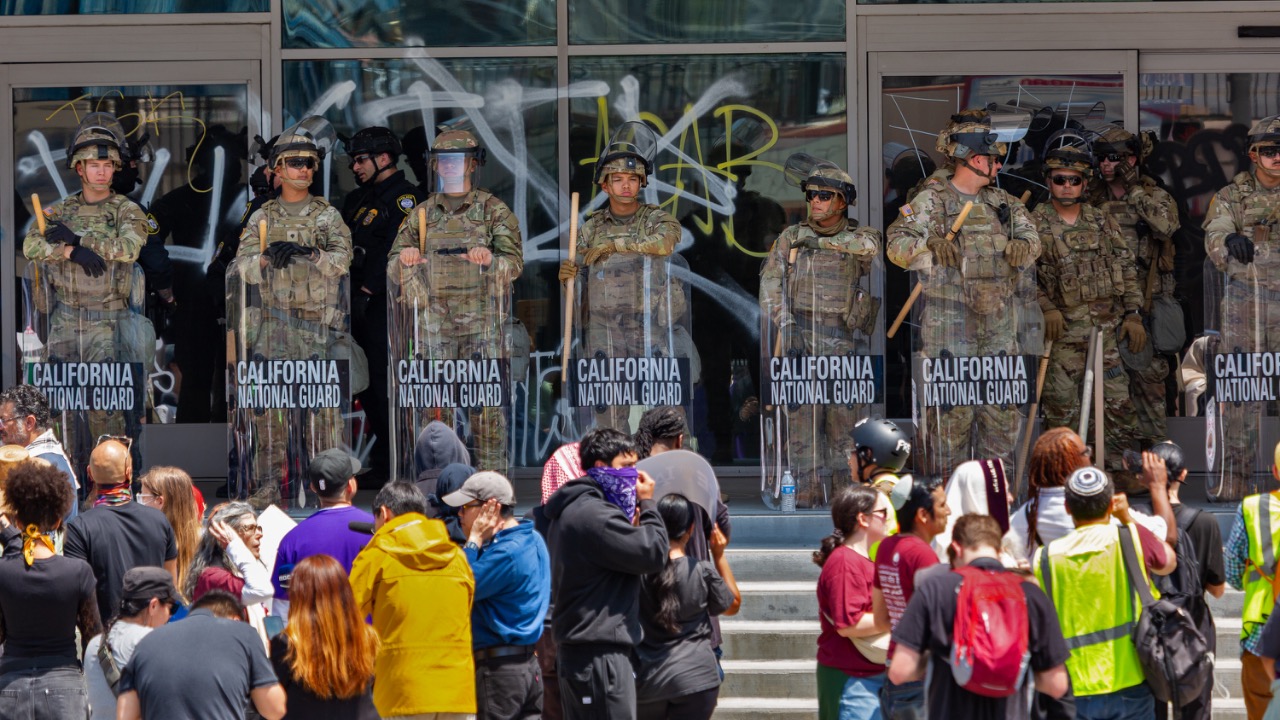
The operations kicked off in earnest in Los Angeles back in mid-2025. Agents moved into areas like the fashion district and parking lots near big-box stores, detaining people suspected of being in the country without authorization. Neighbors noticed the unmarked vehicles and coordinated groups right away. Within hours, crowds gathered to observe and voice opposition, turning routine enforcement into public confrontations that lasted for days. Some encounters stayed peaceful, with people holding signs and chanting. Others escalated when tempers flared between protesters and officers. City leaders watched closely as the scenes played out, noting how quickly the focus shifted from individual arrests to broader questions about federal tactics in urban areas. The initial wave set a tone that other cities soon followed.
Local organizers relied on group chats and quick calls to alert one another whenever agents appeared. This approach let residents reach sites before situations intensified, giving them a chance to document what unfolded. In the weeks that followed, similar patterns emerged in nearby suburbs, where raids targeted workplaces and drew even larger responses. The visibility of those early actions encouraged people elsewhere to prepare their own strategies. You could feel the shift in how communities viewed these operations—not as isolated events but as something that demanded immediate, collective attention.
Residents Form Rapid Response Networks
People in affected neighborhoods started building informal systems to track federal activity almost as soon as the raids began. They used apps and shared alerts to follow agent movements, showing up with phones ready to record. The goal was simple: stay present, stay calm, and create a public record of every interaction. Groups in Los Angeles refined the method first, then others in different cities adapted it to their own streets. Volunteers learned to keep distance while still making their presence known, sometimes calling out questions or offering legal reminders to those nearby. These networks grew through word of mouth and community meetings, pulling in longtime residents alongside newer arrivals who felt directly impacted.
The approach turned passive observation into active participation for many. It also created moments of direct dialogue between locals and agents, even when tensions ran high. Over time, the networks shared tips across city lines, helping places like Minneapolis prepare when enforcement shifted there. The emphasis stayed on documentation rather than confrontation, though the line sometimes blurred when crowds swelled. What began as small teams of observers evolved into a recognizable feature of how cities pushed back against the operations.
Tensions Boil Over in Minneapolis
Minneapolis became a focal point when enforcement activity intensified there early this year. Residents mobilized quickly, gathering near reported sites and using the same monitoring tactics that had taken shape elsewhere. Two high-profile incidents involving federal agents and local protesters ended in fatal shootings of American citizens, captured on multiple videos. The footage circulated widely and fueled outrage that extended far beyond the Twin Cities. Demonstrations filled downtown streets in freezing weather, with thousands calling for accountability and an end to the raids. Elected officials joined the crowds, amplifying demands for clearer rules on how agents operated in residential areas.
The shootings marked a turning point, shifting some of the conversation from policy disagreements to immediate safety concerns. Community members described feeling caught between federal priorities and the daily life of their neighborhoods. Protests continued for weeks, drawing support from other cities and keeping pressure on both local and national leaders. The events left a lasting mark on how residents viewed the balance between enforcement and community trust.
Cities Declare Limits on Federal Access
Several major cities responded by passing measures designed to restrict where federal immigration agents could operate. Chicago led the way with ordinances that barred agents from city-owned property, creating what some called protected zones. Los Angeles County followed with similar steps aimed at shielding public spaces and certain facilities. Officials framed these moves as ways to protect residents and maintain local control over daily operations. The policies did not stop federal work entirely, but they signaled clear boundaries and encouraged other municipalities to consider their own versions.
These local rules added another layer to the ongoing friction. Agents sometimes encountered locked gates or official notices when they approached certain sites, prompting new rounds of legal and political debate. City leaders argued the steps preserved public safety without interfering with legitimate enforcement. At the same time, the actions reinforced a sense of solidarity among urban governments facing the same pressures. The result has been a patchwork of resistance that varies by location but shares the same underlying message.
Protests Spread to Chicago and Beyond
What started in California soon reached Chicago, New York, and other urban centers. In Chicago, demonstrators gathered near detention facilities and marched through downtown, blocking traffic at times to draw attention. New York saw similar scenes in Lower Manhattan, with crowds focusing on federal buildings and courthouses. The pattern repeated in cities from Seattle to Atlanta, where residents organized rallies that echoed the concerns first raised in Los Angeles. Each location adapted the message to local realities, yet the core demands stayed consistent: greater oversight of raids and protection for long-term community members.
The spread happened through shared videos, organizer calls, and simple recognition that the same issues affected many places at once. Some events remained orderly sidewalk gatherings. Others grew larger and more vocal when enforcement actions coincided with planned marches. The nationwide wave kept the story in the headlines and forced federal officials to address the scale of the backlash. It also connected activists across distances, building a sense of shared purpose that extended well beyond any single city.
Cameras Capture Every Confrontation
Smartphones have played a central role in how these events unfold and how the public sees them. Observers film agents during stops, arrests, and street interactions, posting the footage almost immediately. The recordings serve as both evidence and deterrent, shaping narratives before official statements can catch up. In several cases, the videos revealed details that sparked further protests and calls for investigation. Federal agents have responded by filming their own encounters, creating competing records that sometimes contradict one another.
This constant documentation has changed the dynamics on the ground. People know their actions may end up online, which influences behavior on all sides. It has also given distant viewers a direct window into what happens in these cities, turning local disputes into national talking points. The sheer volume of material makes it harder for any single account to dominate, forcing everyone involved to contend with multiple perspectives at once.
Immigrant Families Feel the Strain
Communities with large immigrant populations report heightened anxiety during periods of active enforcement. Families avoid certain public spaces, change daily routines, and hesitate to seek help from authorities even when unrelated issues arise. Businesses in affected neighborhoods notice quieter streets and reduced foot traffic, especially near sites that saw previous raids. Parents describe explaining the situation to children in ways that balance honesty with reassurance. The uncertainty lingers even after agents move on to other cities.
These effects ripple through schools, workplaces, and places of worship. Local support groups have stepped up efforts to provide information on rights and resources, yet the underlying fear remains. Many residents emphasize that they support secure borders while questioning tactics that sweep through everyday locations. The human cost of the operations has become a recurring theme in protests and public discussions, keeping the focus on real people rather than abstract policy numbers.
The National Debate Intensifies
The combination of raids, protests, and local countermeasures has kept immigration enforcement at the center of broader conversations about federal power and community autonomy. Lawmakers in Washington weigh the effectiveness of the operations against the political and social fallout. Public opinion splits along familiar lines, with some viewing the actions as necessary and others seeing them as excessive. Cities continue to refine their responses while federal agencies adjust strategies in response to the resistance they encounter.
The situation remains fluid. New enforcement waves appear in different regions, met with updated versions of the same community tactics. What feels clear is that these events have reshaped how major cities interact with federal immigration efforts. Residents, officials, and agents navigate an environment where every move draws scrutiny and where the lines between enforcement, protest, and daily life have grown increasingly blurred. The coming months will likely test how well those tensions can be managed on both sides.

Asher was raised in the woods and on the water, and it shows. He’s logged more hours behind a rifle and under a heavy pack than most men twice his age.