Folding vs. Fixed: What Knife Works Best for You
Choosing between a folding knife and a fixed blade is not a gear-nerd debate, it is a practical decision that affects how safely and effectively you cut, pry, slice, and defend yourself. Both designs have real strengths and real limits, and the right choice depends on how you carry, where you work or hunt, and what kind of abuse the knife will see. I am going to walk through how each style performs in the real world so you can match the tool to your life instead of guessing at the counter.
Understanding the Two Knife Platforms
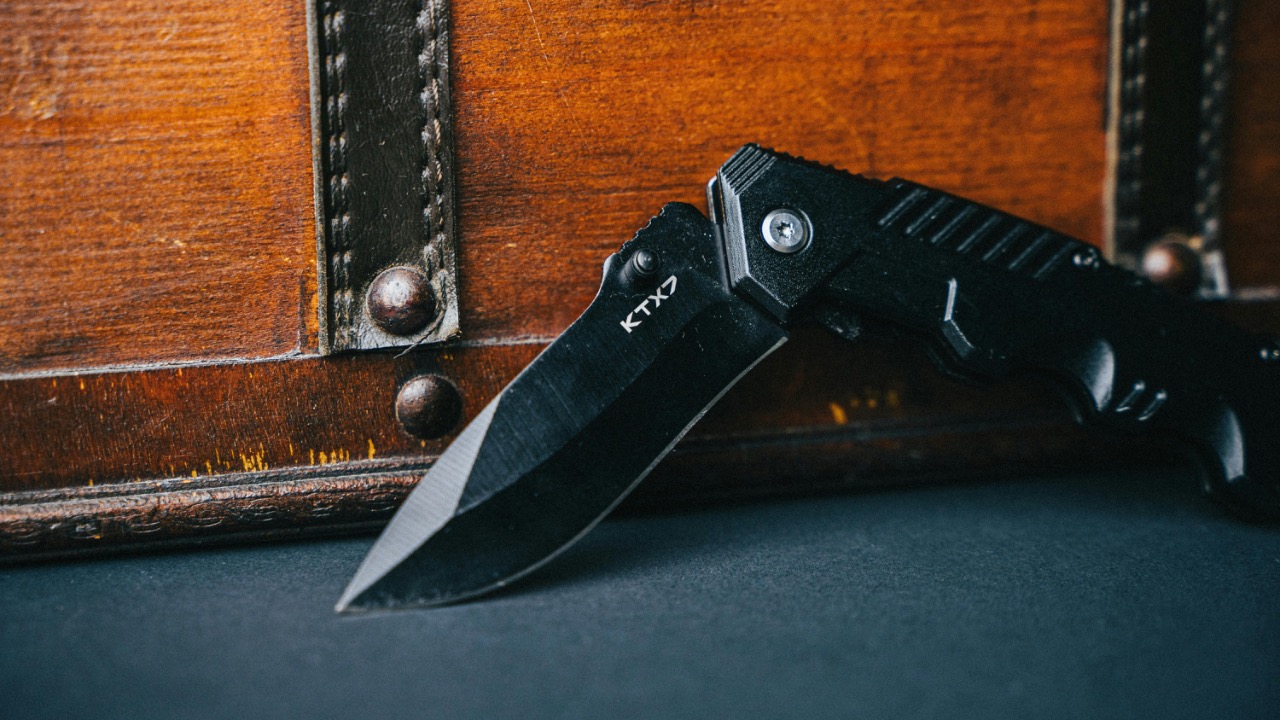
At the most basic level, a folding knife hides the blade inside the handle, while a fixed blade keeps the steel permanently exposed with a sheath doing the safety work. A folding knife relies on a pivot and a lock to keep the blade in place, which adds moving parts and potential failure points but also lets the knife disappear into a pocket. A fixed blade, by contrast, is a single continuous piece of steel or a solid tang mated to scales, so there is no joint to flex when you twist or baton through wood.
Knife makers describe What Are Fixed in almost identical terms: a solid, non folding blade that is permanently Fixed to the handle, which is why these knives are favored when strength and reliability matter more than compact carry. Folding designs, on the other hand, trade some of that rigidity for convenience and functionality for their cost, which is why they dominate pockets in towns and cities. Once you understand that you are really choosing between a jointed tool and a solid bar of steel, the rest of the pros and cons start to make sense.
Portability and Everyday Carry
If you care about carrying a knife all day without thinking about it, a folder usually wins. A decent folding knife clips inside a jeans pocket, rides unnoticed in office slacks, or tucks into a hip pocket of hiking pants without changing how you move. That low profile is why so many people treat a folding knife as their default everyday carry, using it for everything from opening feed bags to trimming paracord.
Several makers point out that Portability and Convenience are the main reasons a folding knife becomes the go to tool for people who move between home, work, and the trail in a single day. A fixed blade knife has the strength and reliability you need, but it usually demands a belt sheath or pack strap and it prints under a shirt in a way a slim folder does not. When I am in town, I almost always default to a folder because it fits the social and legal expectations of an EDC Knife better than a visible sheath on my belt.
Strength, Durability, and Hard Use
When the job gets ugly, the fixed blade pulls ahead. With no hinge or lock to worry about, a fixed blade can handle twisting cuts, light prying, and batoning through kindling that would make most folders cry uncle. That is why guides, soldiers, and serious backcountry hunters still strap on a sheath knife even if they also carry a small folder for fine work.
Companies that build combat oriented tools describe Fixed Blade Knives as Built for Battle, with Durability as the defining advantage, and they are blunt that Fixed blades remain the undisputed champions when lives are on the line. EDC focused makers echo that logic, noting that One of the Key Benefits of a fixed blade is its durability, since One of the main advantages is having no hinges or lock mechanisms to fail when the situation demands it. I have broken more than one folding knife by torquing it sideways in a cut, but I have yet to snap a full tang fixed blade doing the same thing.
EDC Tasks vs. Field and Survival Work
Most people use a knife for mundane chores, not survival drama, and that is where a folding knife shines. For opening packages, trimming zip ties, cutting fruit, or breaking down cardboard, a compact folder is faster to access and less intimidating to everyone around you. It also lets you keep a smaller blade length that still handles 90 percent of daily tasks without raising eyebrows in a grocery store line.
Once you step into the woods or onto a ranch, the balance shifts toward a sheath knife. Writers who focus on EDC and self defense point out that when you need maximum strength and a tool that keeps you prepared for any situation, a fixed blade is hard to beat, especially in an EDC role that includes emergency use. Others explain that What Is an EDC Knife depends heavily on your environment, and that An EDC setup for a ranch hand or backcountry angler might reasonably include carrying a fixed blade knife every day. When I am packing into elk country, I want a fixed blade on my belt for field dressing and camp chores, with a small folder as a backup, not the other way around.
Comfort, Ergonomics, and How the Knife Carries
How a knife feels in hand and on your body matters more than steel type for most users. Fixed blades usually offer fuller handles with better ergonomics, since they do not have to fold into themselves. That extra handle length and contouring pays off when you are carving tent stakes, breaking down a deer, or working with wet or gloved hands, where a skinny folder can twist or create hot spots.
On the flip side, a fixed blade is Less Portable by nature, since the sheath and exposed handle take up more space and demand a belt, pack, or chest rig. Makers who compare the two point out that a fixed blade is less discreet and more likely to snag, while Folding Knives are Compact, Versatile, Convenient, and their Portability ensures you are always prepared without advertising that you are carrying. I have found that a well designed pocket clip and rounded scales make a folder disappear, while a poorly placed sheath can rub your hip raw by lunchtime.
Safety, Locks, and Failure Points
Safety is where the mechanical difference between the two designs really shows. A fixed blade is either in the sheath or in your hand, with no half open state and no lock to fail. As long as you draw and re sheath it with some discipline, the risk of accidental closure on your fingers is essentially zero, which is why so many instructors prefer fixed blades for high stress or defensive use.
Folding knives add complexity, and that means more ways to get hurt if you are careless or unlucky. The pivot can gum up with pocket lint, the lock can wear, and your grip can accidentally hit a liner or button at the wrong time. Several buying guides list lock strength and reliability among the key Factors to Consider When Buying a Folding Knife, and they stress that When you expect heavy cutting or self defense roles, a fixed blade could be more suitable. I have seen cheap folders fold on fingers during hard cuts, and that is a lesson you only need once before you start respecting lock geometry.
Legal, Social, and Practical Constraints
Knife laws are a patchwork, and they often treat fixed blades and folders very differently. Many jurisdictions cap blade length for concealed carry, restrict fixed blades outright, or draw lines between tools and weapons based on whether the blade locks. That means the knife that makes perfect sense on your farm might be a problem in a downtown bar or on public transit, even if you never intend to use it as anything but a tool.
Writers who walk through EDC choices emphasize that However, several factors can help you decide which type of knife is most useful for your purposes, and they start with where you live and work before they ever talk about steel or grind. They also spell out that What Is legal for an EDC Knife in one state or country might not be in another, and that An EDC setup that includes carrying a fixed blade knife could be fine in rural areas but draw attention in a city. I always tell people to read their local statutes and think about how a visible sheath or aggressive looking folder will play with law enforcement and coworkers before they fall in love with a particular design.
Cost, Value, and What You Actually Need
Budget is not the most exciting part of knife talk, but it is where a lot of decisions get made. You can find both fixed blades and folders at every price point, from gas station junk to custom pieces that cost more than a rifle. In the middle of the market, though, you tend to get more raw cutting performance per dollar from a fixed blade, simply because the maker is not spending money on pivots, bearings, and complex machining.
Several brands note that when you are Making the Right Choice for your needs, fixed blades often deliver more strength and functionality for their cost, while folders pack more features and nicer finishing into the same price bracket. Others highlight the Pros of Folding, especially that they are Compact and Portable and that the foldable design makes them convenient to carry in your pocket without needing a separate sheath. I usually tell new knife owners to buy a solid mid priced folder first, then add a workhorse fixed blade once they know what kind of cutting they actually do in a week.
How to Decide: Matching Knife to Mission
When you strip away the marketing, the choice comes down to mission. If your life is mostly office work, errands, and the occasional weekend hike, a reliable folder with a strong lock is probably the smarter primary tool. If you spend serious time in the backcountry, work in trades or agriculture, or want a knife that can handle defensive roles under stress, a fixed blade on the belt starts to look less like overkill and more like common sense.
Several guides suggest you start by listing your main uses, then weighing portability, strength, and local rules before you pick a side. One EDC focused breakdown notes that When it comes to everyday carry knives, both fixed blades and folding knives have their dedicated fans, and that Many consider a hybrid approach best, carrying a small folder for light tasks and a compact fixed blade when the situation demands it. Another reminds readers that Making the Right Choice for your lifestyle means being honest about how often you really need Built for Battle performance versus how often you simply need to open a box. In my own kit, that has led to a rotation: a slim folder in town, a stout fixed blade in the field, and sometimes both when the day could go either way.

Asher was raised in the woods and on the water, and it shows. He’s logged more hours behind a rifle and under a heavy pack than most men twice his age.