Outrage Grows Over Potential Transfer of Public Lands to Foreign Firms and Billionaires
You’re hearing a lot of noise lately about public land, who controls it, and what could happen to it down the road. Most of it starts with half-truths, speculation, or headlines that move faster than the facts. The concern usually centers on whether public ground in the U.S.—land held in trust by federal and state governments—could ever be sold off or tied up by foreign firms or ultra-wealthy buyers.
What’s real is this: the U.S. holds roughly hundreds of millions of acres of public land managed by agencies like the Bureau of Land Management and the U.S. Forest Service. What’s debated is how it’s managed, leased, or potentially exchanged—not wholesale transfer. Still, when access, development, and private influence enter the same conversation, it’s easy to see why hunters and anglers stay alert.
What Public Land Ownership Actually Looks Like
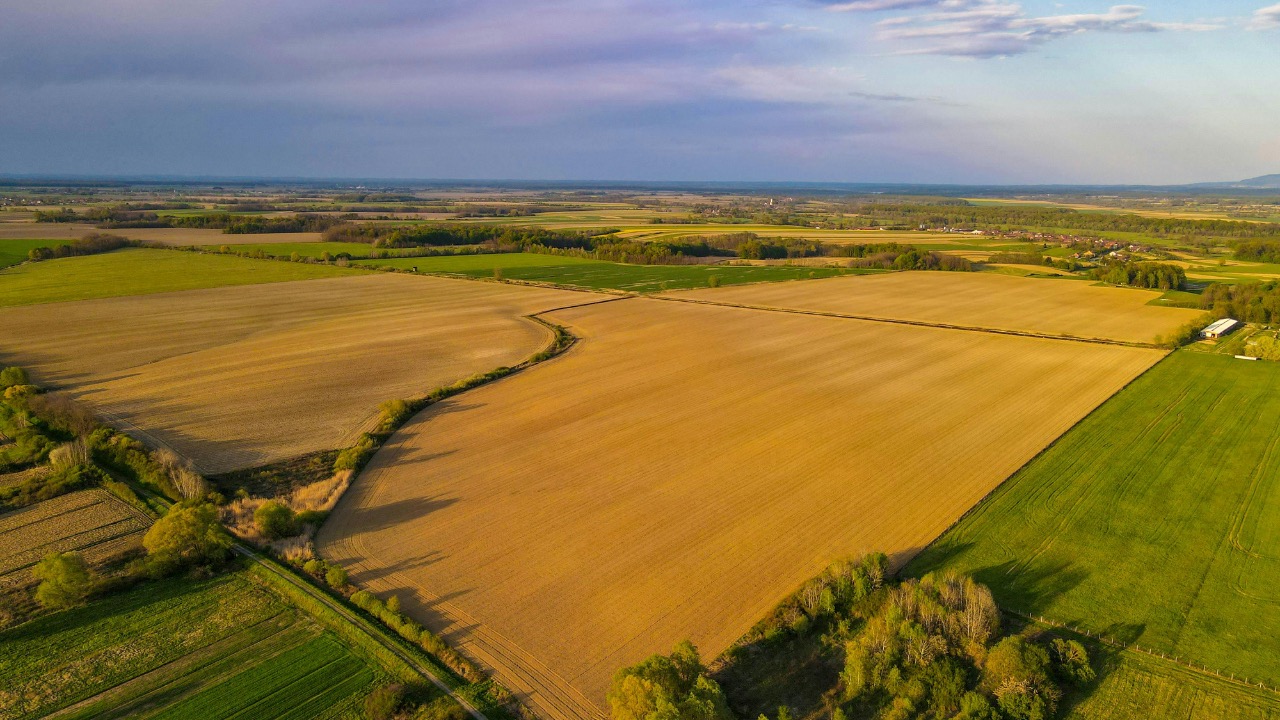
In the U.S., a huge share of the West is still public ground. Agencies like the Bureau of Land Management and the U.S. Forest Service manage it for multiple uses, including grazing, energy development, recreation, and wildlife habitat.
That doesn’t mean it’s untouched or locked away. Roads, leases, and seasonal closures all shape how you use it. But ownership stays with the public. It’s not sitting there waiting for a buyer, foreign or domestic, even when political arguments flare up around budget pressures or land use priorities.
Why Talk of “Transfer” Keeps Coming Up
Concerns about public land often spike when budgets get tight or policy proposals include selling small, isolated parcels. Those discussions can snowball fast online, especially when stripped of context.
Most federal proposals involve limited land exchanges or disposal of hard-to-manage parcels, not large-scale sales of national forests or BLM ranges. Still, the language used in political debates can sound broader than it is, and that gap between technical policy and public perception is where most of the outrage builds.
Foreign Ownership of U.S. Land vs Public Land
A key point that gets blurred in these discussions is the difference between public land and private land. Public land isn’t sold to foreign buyers in the normal course of things. It remains under government control.
Foreign ownership does exist in the U.S., but it applies mainly to private agricultural or investment land. According to USDA reporting, foreign entities hold a small percentage of privately owned farmland. That’s where most of the concern tends to focus, even though it’s separate from federal public land systems.
Billionaire Land Ownership and Large Ranch Holdings
You’ve probably seen headlines about high-profile billionaires buying large ranches or timberland. Those purchases are real, but they involve private land changing hands—not public land being sold off.
Big holdings can change how landscapes are managed, especially when properties are consolidated into large blocks. That can affect access patterns for hunters and anglers nearby. But again, the key point is ownership type. These are private transactions operating within existing land markets, not transfers of public ground.
Where Federal Land Sale Debates Actually Stand
Every so often, you’ll hear proposals tied to balancing federal budgets or streamlining land management. These usually involve small, specific parcels that agencies consider excess or difficult to maintain.
They don’t include large-scale selling of national forests or core public hunting lands. In fact, many of these proposals stall quickly due to public pushback and legal limits. The bigger debate tends to be about management priorities, not outright disposal of the land most people hunt and fish on.
Energy, Mining, and Leasing Confusion
A lot of confusion comes from how public land is leased for energy development, grazing, or mining. These leases allow companies to use land under strict federal rules, but they don’t transfer ownership.
That distinction gets lost when people see large industrial activity on public ground. It can look like control has shifted, even when the land remains federally owned. For hunters, this matters more on a practical level—roads, habitat changes, and seasonal access shifts—than on ownership itself.
What This Means for Access Going Forward
For now, public land in the U.S. remains publicly owned, and there’s no confirmed pathway for mass transfer to foreign firms or billionaire ownership. The system is built around retention, not liquidation.
What does change is access pressure, land use priorities, and development around public boundaries. Those shifts can feel like loss on the ground even when ownership hasn’t changed. For anyone who spends time outside, that’s where attention tends to stay—on what you can actually reach, hunt, and use each season.
The Reality Behind the Outrage
Most of the outrage you see online comes from mixing different issues into one: private land sales, foreign investment rules, and public land management debates. They’re related in conversation, but not in structure.
Once you separate those pieces, the picture gets clearer. Public land isn’t currently being transferred wholesale to foreign firms or billionaire buyers. The real story is slower and less dramatic—policy arguments, leasing decisions, and long-term management choices that shape how the land is used, not who owns it.

Asher was raised in the woods and on the water, and it shows. He’s logged more hours behind a rifle and under a heavy pack than most men twice his age.