Who Is Affected by Changes to the U.S. Military Draft
You hear talk about the draft every few years, usually when tensions rise somewhere overseas. Most of the time, it’s noise. The United States hasn’t used the draft since the early 1970s, but the system behind it—the Selective Service—never went away. It’s still there, still required for certain people, and still ready if Congress ever flips the switch.
When people talk about “changes” to the draft, they’re usually talking about proposals—expanding who registers, adjusting penalties, or redefining eligibility. None of it affects everyone equally. If anything ever does change, here’s who feels it first and most.
Young Men Still Carry the Legal Requirement
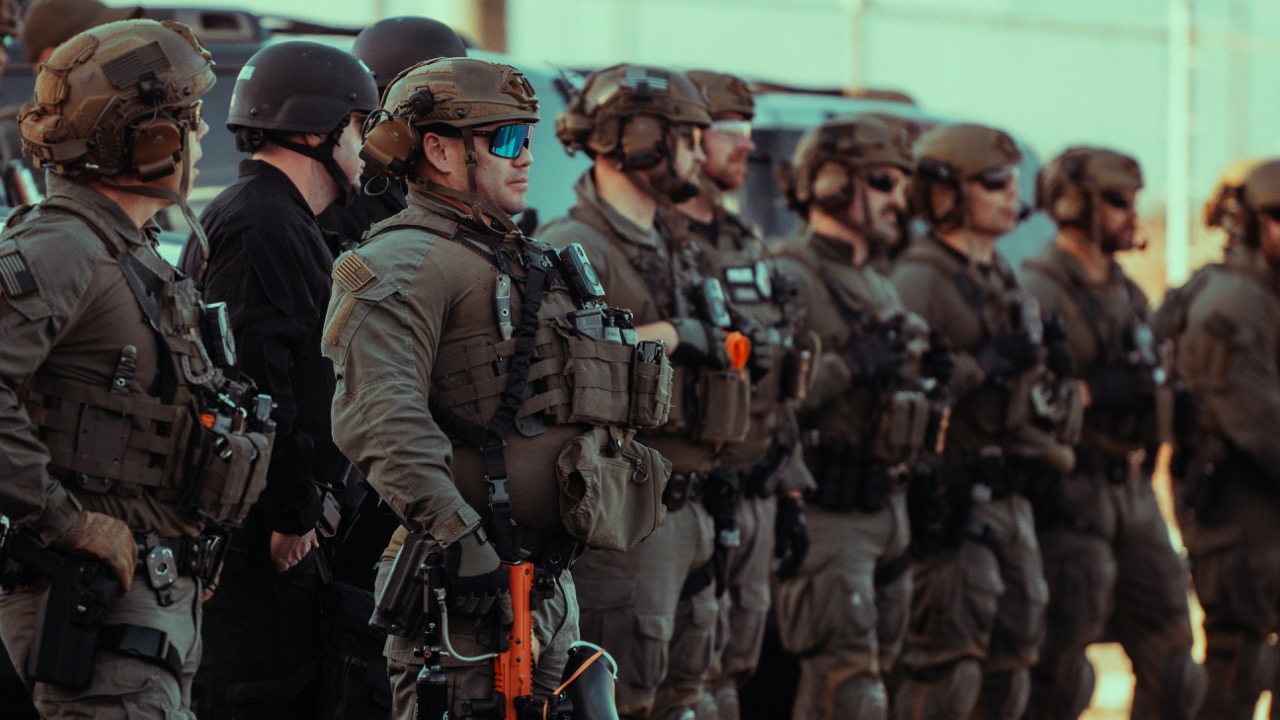
If you’re a male U.S. citizen or immigrant between 18 and 25, you’re already required to register with the Selective Service System. That hasn’t changed in decades.
Failing to register can cause problems down the line. You can run into issues with federal student aid, government jobs, and certain state benefits. It doesn’t mean you’ll be drafted, but it does mean you’re on record. Any policy shift tied to enforcement or penalties lands squarely on this group first, because they’re already inside the system.
Women Could Be Added Under Proposed Changes
Right now, women are not required to register. That’s been the case since the draft was last active. But there’s been steady discussion in Congress about changing that.
If that shift happens, it brings women into the same registration pool as men. It doesn’t mean immediate conscription, but it does mean equal obligation under the law. The argument centers on fairness and the modern role of women in the military. For you, it means the pool of people affected could double overnight if legislation passes.
Immigrants Living in the U.S. Are Included
A lot of people don’t realize this, but many non-citizens are required to register too. If you’re living in the U.S. as a permanent resident or meet certain criteria, the law applies to you.
That can catch people off guard, especially if they’re new to the country. Like citizens, failing to register can affect immigration status and future opportunities. If policies tighten or enforcement increases, immigrants in that age range are directly in the crosshairs, whether they expected it or not.
College-Age Men Feel the Immediate Pressure
If you’re in college or heading that way, draft-related rules tend to hit close to home. Registration is often tied to financial aid eligibility, which means it’s not something you can ignore.
Even talk of changes can create uncertainty. Students planning their next few years start paying closer attention when policy discussions pick up. If the draft were ever reinstated, this group would likely be among the first called, based on age and physical eligibility. That reality keeps the issue relevant, even when no active draft is in place.
Families Would Carry the Weight Too
The draft doesn’t only affect the person who gets called. It reaches into households—parents, spouses, and kids all feel it.
If someone in your family falls into the eligible age range, any policy shift becomes personal fast. Planning, finances, and day-to-day life can all change. Even the possibility of conscription can shape decisions about school, work, and where you live. It’s a ripple effect that moves beyond the individual and into the people around them.
Employers and Local Economies Would See the Impact
If a draft were activated, businesses would feel it. Workers in that 18 to 25 range make up a big part of entry-level and skilled labor in many industries.
Pulling a portion of that workforce out—even temporarily—creates gaps. Employers have to adjust, hire, or shift workloads. In smaller communities, losing a handful of workers can make a noticeable difference. It’s not often discussed, but the draft reaches into the economy in a real, practical way.
The Military Itself Would Have to Adjust
A modern draft wouldn’t look like it did during the Vietnam era. Today’s military relies heavily on training, specialization, and long-term service members.
Bringing in conscripts would require changes—more training capacity, different timelines, and adjustments to how units are built. It’s not a plug-and-play system. If you’re thinking about who’s affected, the military itself is high on that list. Any shift in policy forces it to adapt quickly.
Lawmakers and Policymakers Stay at the Center of It
At the end of the day, changes to the draft don’t happen quietly. Congress has to approve them, and debates tend to be public and heated.
That means elected officials carry the responsibility—and the pressure. Public opinion plays a role, especially when younger voters and families start paying attention. If you’re watching this issue, it’s worth keeping an eye on policy discussions, because that’s where any real change begins and ends.
The draft isn’t active, but it’s not gone either. It sits in the background, tied to law and ready if needed. Most days, it doesn’t affect your life at all. But if the rules shift, it won’t hit everyone the same—and the people closest to the system will feel it first.

Asher was raised in the woods and on the water, and it shows. He’s logged more hours behind a rifle and under a heavy pack than most men twice his age.