Man injured by bison in Yellowstone after ignoring posted safety warnings
A tourist in Yellowstone National Park was injured after approaching a bison despite clear safety warnings, the latest in a string of encounters that show how quickly a scenic moment can turn into a medical emergency. Rangers say the man ignored posted guidance to stay well back from wildlife, and the animal responded the way wild bison often do when they feel crowded, with a sudden charge and a goring that left the visitor hurt and the park once again under scrutiny.
I see this incident as part of a broader pattern in Yellowstone, where visitors underestimate both the power of bison and the seriousness of the rules that are meant to protect them. The details of this case echo other recent attacks, from the Lake Village area to the Upper Geyser Basin, and together they underline a simple reality: in a place built around wild animals, the margin for error is far smaller than many people assume.
The latest encounter and what went wrong
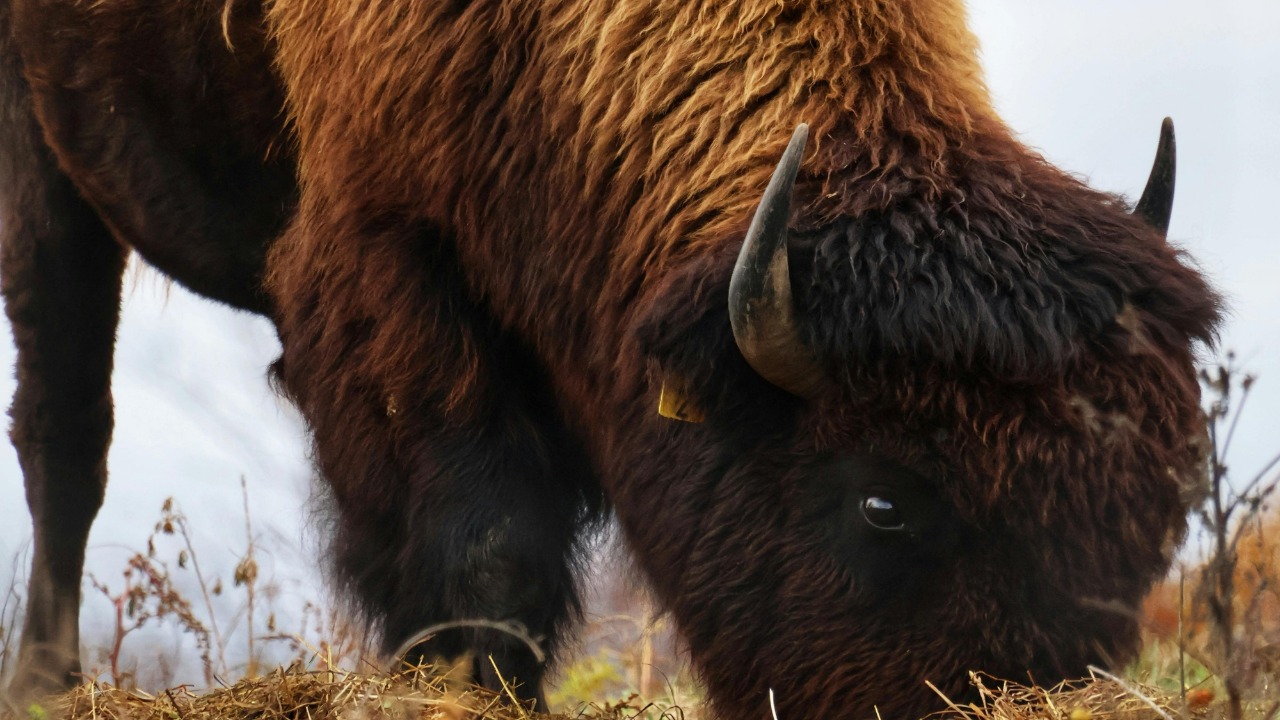
In the most recent case, park officials say a man walked toward a bison until he was well inside the recommended buffer, ignoring signs and verbal warnings that urge people to keep their distance. Witnesses described a familiar sequence, a few photos taken too close, the animal lifting its head and shifting its weight, then a sudden rush that ended with the visitor tossed and gored before he could react. The National Park Service has repeatedly stressed that bison are unpredictable and will defend their space with little warning, yet the man’s decision to close in on the animal left him with injuries that required on-site treatment and further care.
The pattern mirrors an earlier incident in the Lake Village area, where, at approximately 3:15 p.m., a man was gored after he approached a bison too closely near the road and ignored the basic rules that apply to all wildlife in the park. In that case, rangers noted that there had already been two similar attacks in 2024 and one in 2023, a reminder that these are not freak events but foreseeable outcomes when people disregard distance guidelines in Lake Village.
Yellowstone’s rules are clear, visitors’ behavior is not
Yellowstone’s safety rules are not vague suggestions, they are spelled out in plain language that tells visitors exactly how far to stay from wildlife and why. The park warns that the animals in Yellowstone are wild and dangerous, no matter how docile they may appear to be, and it emphasizes that the safest and often best view of bison is from a distance that gives them room to move without feeling threatened. Signs, brochures and ranger talks all repeat the same message, urging people to stay with their gear, keep children close and never treat large animals as if they were part of a petting zoo.
Despite that clarity, I have watched a steady stream of videos and reports showing people edging closer for a better shot, stepping off boardwalks and even turning their backs on bison for selfies. The official guidance is blunt that visitors must respect the space of every animal in the park, yet the gap between what is written and what some people do remains wide, which is why the park keeps reminding travelers that the animals in Yellowstone are not tame and will react if they feel cornered.
A string of bison gorings shows a troubling pattern
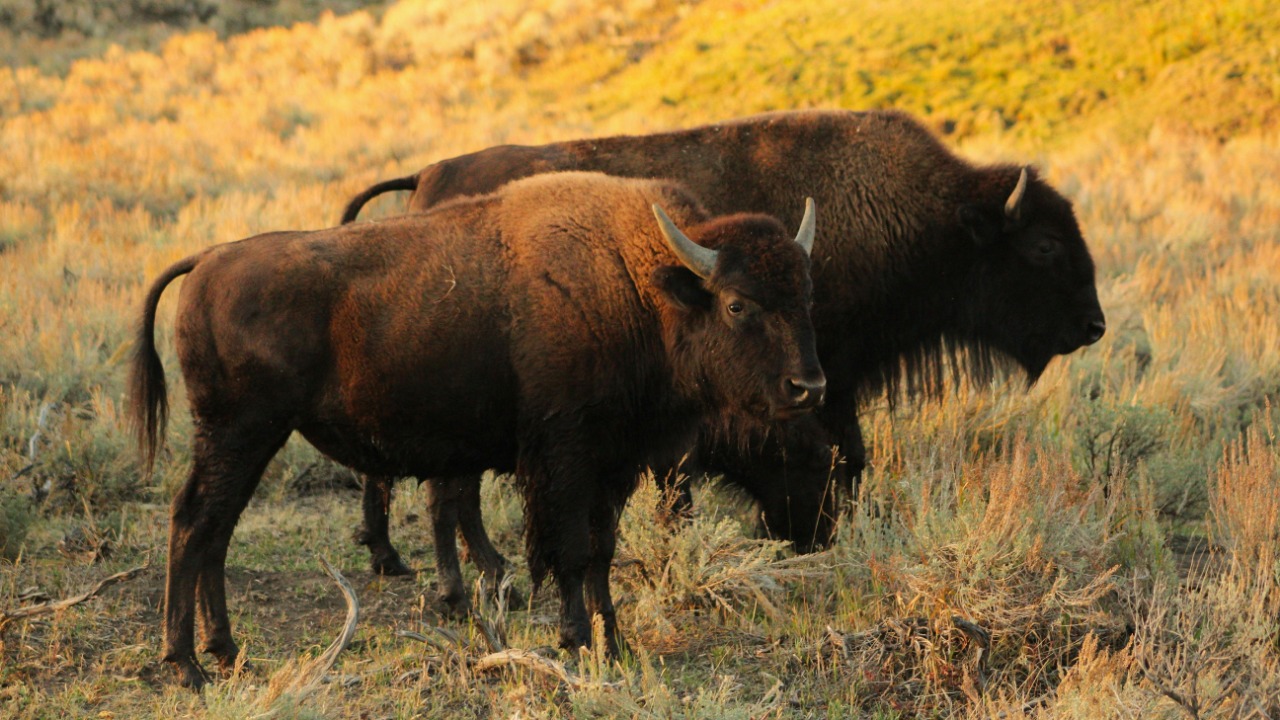
The man injured in the latest incident is not alone, his story fits into a series of bison attacks that have unfolded across Yellowstone in recent seasons. Earlier in Jun, a visitor from New Jersey was gored in the Upper Geyser Basin after he and a group of others moved too close to a bison that was grazing near a popular boardwalk. Witnesses said the animal lowered its head and charged when the crowd closed in, leaving the man on the ground with serious injuries and forcing rangers to shut down part of the area while they treated him and cleared the scene in the Geyser Basin.
Another report from Jun described how a bison gored a man after a large group of visitors got too close to the animal in Yellowstone National Park, a case that officials said began when people ignored repeated instructions to back away. According to a park statement, the visitor was within a few feet of the bison when it charged, and the incident was serious enough that The National Park Service opened a formal review of what happened and how rangers responded. In that account, a Yellowstone National Park visitor was treated by emergency medical personnel at the scene, and The National Park Service said the man’s injuries were significant but survivable, while the incident itself was now under investigation in Jun.
Inside the Florida man case that put Yellowstone on notice
One of the most widely discussed recent attacks involved a 47-year-old Florida man who was gored by a bison in Yellowstone National Park after he approached the animal and stayed in its path. The National Park Service said the man was injured after he was attacked on a Sunday, and that he had moved toward the bison instead of giving it the right of way, a decision that ended with the animal lifting him off the ground and leaving puncture wounds that required hospital care. Rangers used that case to remind visitors that bison are known to defend their territory, their calves and their personal space, and that they can run much faster than a person can sprint.
In the official account, the National Park Service, often referred to as the NPS, stressed that the man’s injuries were a direct result of ignoring the minimum distance rules that apply to all large animals in the park. The agency’s news release on the incident in Yellowstone National Park explained that bison will respond aggressively if they feel blocked or harassed, and it urged future visitors to treat every encounter as potentially dangerous rather than as a photo opportunity. The description of how the 47-year-old was gored by a bison in Yellowstone National Park underscored the point that even a brief lapse in judgment can have lasting consequences, a lesson that the National Park Service has been trying to drive home for years.
Why bison attacks keep happening in Yellowstone
When I look across these cases, from the Florida man to the New Jersey visitor and the latest injured tourist, the common thread is not the animals, it is human behavior. Bison have lived in this landscape for generations, and their instincts have not changed, they graze, they move along predictable routes, and they defend themselves when they feel threatened. What has shifted is the volume of people and the way some visitors treat Yellowstone as a backdrop for social media rather than as a functioning ecosystem, which leads to risky choices like walking toward a one-ton animal for a closer shot or surrounding it with a crowd.
One analysis of a recent bison attack in Jun framed the problem as a mix of misunderstanding and overconfidence, with visitors assuming that a calm animal is a safe animal and that a quick dash in for a photo will not matter. That piece noted that a recent Yellowstone bison attack has reignited concerns about wildlife safety and that bison attacks happen in Yellowstone often enough that rangers now treat them as a recurring management challenge rather than as rare flukes. The broader context is that Yellowstone is part of a larger region that includes nearby communities and protected areas, and the way people behave inside the park has ripple effects for how wildlife is managed across the greater Yellowstone ecosystem.
What the rules actually require around bison
Yellowstone’s official guidance is specific about how close people can get to wildlife, and bison are at the center of those rules. Visitors are told to stay at least several dozen yards away from bison and other large animals, to never stand in their path, and to move to the side of the road or trail if a herd is approaching. The park also instructs people to keep pets secured, to avoid sudden movements or loud noises near animals, and to use binoculars or long camera lenses instead of walking closer for a better view.
The safety page makes it clear that the animals in Yellowstone are wild and dangerous, no matter how docile they may appear to be, and it urges people to stay with their stuff and not leave backpacks or coolers unattended where wildlife might investigate them. That same guidance stresses that the safest and often best view of bison is from a distance that lets them behave naturally, without feeling hemmed in by people or vehicles. When I read those rules, I see a straightforward contract between the park and its visitors, Yellowstone provides access to an extraordinary landscape, and in return, people agree to follow the safety guidance that keeps both them and the animals alive.
Social media, taunting and the culture of getting too close
Beyond simple rule-breaking, there is a more troubling trend that I have noticed in some of the footage coming out of Yellowstone, a willingness to taunt or provoke bison for the sake of a viral clip. In one widely shared video, a man was caught on camera taunting a bison at Yellowstone National Park in Wyoming, walking toward the animal and gesturing at it while others filmed. The National Park Service recommends that people never do this, and that they instead give bison a wide berth and at least several dozen yards of clearance, yet the clip shows how peer pressure and the lure of attention can override common sense in Yellowstone National Park.
Officials say that kind of behavior not only endangers the person in the frame, it also forces rangers into difficult decisions about whether to haze or relocate animals that react aggressively to harassment. The National Park Service has already had to investigate multiple cases where visitors got too close, including the New Jersey man who was gored after a group crowded a bison, and each incident adds pressure on staff who are trying to balance public access with wildlife protection. In one account, The National Park Service said the man was treated by emergency medical personnel and that the incident was now under investigation, a phrase that has become all too familiar as rangers review yet another case of a bison gores man who got too close in Yellowstone National Park.

Leo’s been tracking game and tuning gear since he could stand upright. He’s sharp, driven, and knows how to keep things running when conditions turn.