Trump Criticizes NATO Allies for Insufficient Support in Iran Conflict After Tense Meeting With Secretary General Rutte, Invoking Greenland
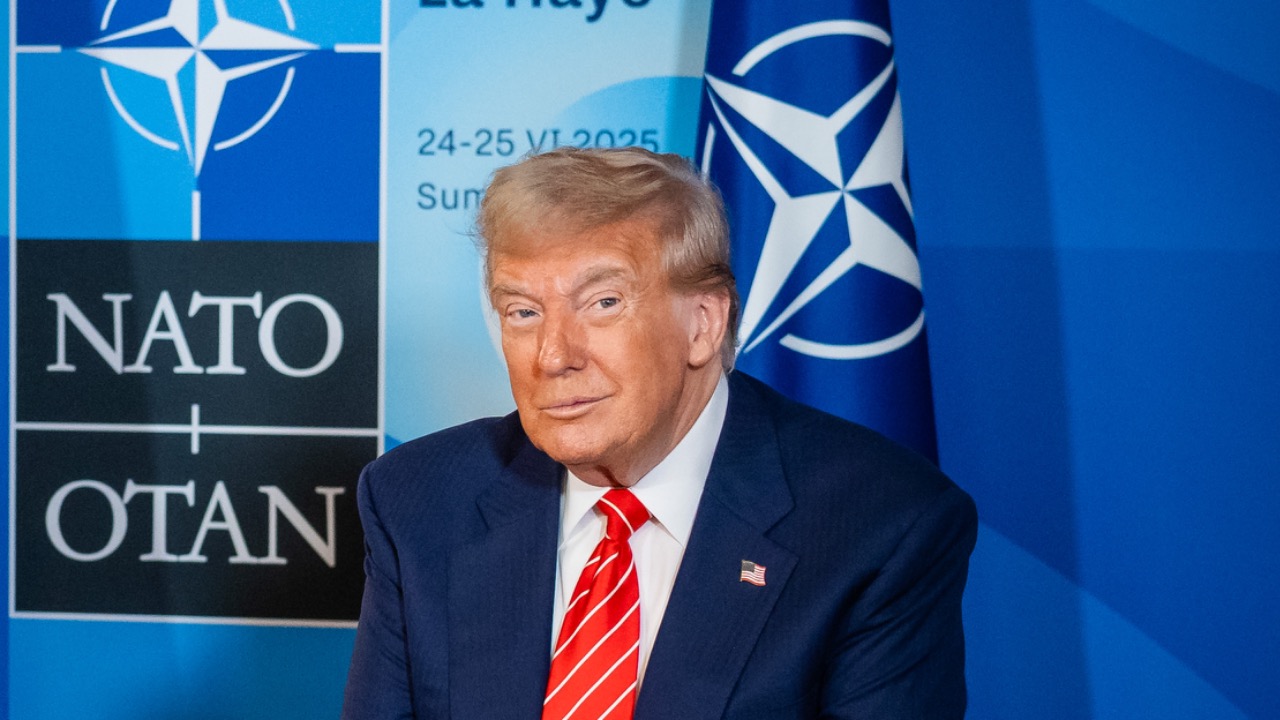
Former U.S. President Donald Trump sharply criticized members of the NATO following a reportedly tense meeting with Secretary General Mark Rutte, accusing allied nations of failing to provide adequate support amid escalating tensions involving Iran.
According to sources familiar with the discussion, the meeting focused on burden-sharing within NATO and the role of member nations in addressing global security threats, including ongoing instability in the Middle East.
Dispute Over Military and Financial Contributions
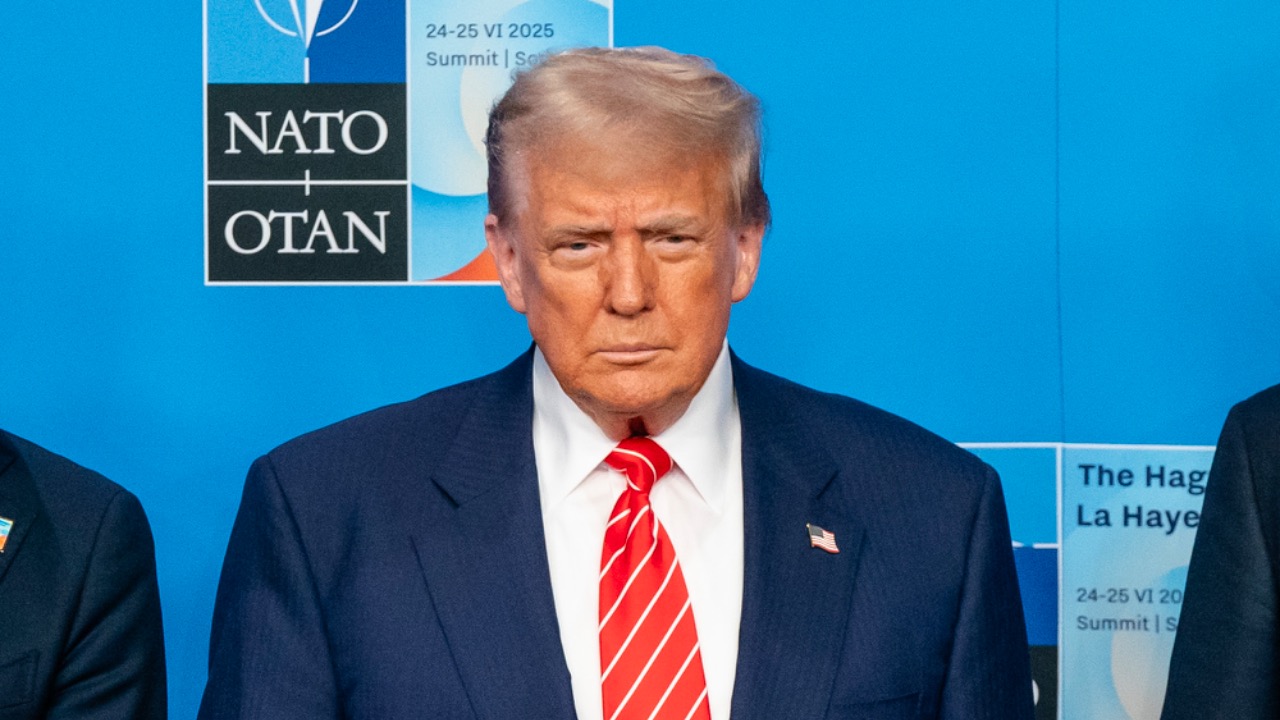
Trump reiterated long-standing concerns that several NATO allies are not contributing enough to collective defense efforts, particularly during periods of heightened geopolitical tension. He reportedly argued that the United States continues to shoulder a disproportionate share of both military and financial responsibilities.
The criticism comes as NATO faces increasing pressure to respond to complex international conflicts, including those involving Iran and its regional influence.
Tensions Rise During Meeting With Rutte
The meeting with Rutte was described by observers as unusually direct, with disagreements emerging over how NATO should coordinate support and whether current commitments from member states are sufficient.
While Rutte has previously emphasized unity among NATO allies, the discussion highlighted ongoing divisions over defense spending targets and operational roles.
Greenland Remark Draws Attention
In a moment that drew particular attention, Trump reportedly invoked Greenland while discussing strategic positioning and global influence. Though details of the comment remain unclear, the reference is notable given Trump’s past interest in the Arctic territory as a geopolitical asset.
Analysts say the mention of Greenland underscores broader concerns about strategic regions gaining importance in global security planning, particularly as competition for influence expands.
Broader Implications for NATO Unity
The exchange highlights continuing challenges within NATO as member nations navigate differing priorities, budgets, and threat perceptions. While the alliance remains a cornerstone of Western defense strategy, disagreements over burden-sharing have been a recurring issue.
Experts warn that visible divisions could complicate coordinated responses to international crises, especially those involving rapidly evolving conflicts.
Ongoing Debate Over Alliance Responsibilities
Supporters of Trump’s position argue that increased contributions from European allies are necessary to maintain a balanced and effective alliance. Others contend that NATO cooperation extends beyond direct financial metrics and includes intelligence sharing, logistics, and regional stabilization efforts.
Conclusion
The tense meeting between Trump and Rutte reflects deeper questions about NATO’s role in modern conflicts and how responsibilities should be distributed among member states. As global tensions continue to shift, the balance between unity and national interests remains a central challenge for the alliance.

Leo’s been tracking game and tuning gear since he could stand upright. He’s sharp, driven, and knows how to keep things running when conditions turn.