Wildlife species expanding into states that never had them before
Wild animals, insects, and even termites are appearing in parts of the United States where they have never lived before. Some are native species on the move, others are invasive hitchhikers, but together they are reshaping local ecosystems and daily life for people who suddenly share their yards with unfamiliar creatures. I see this shift most clearly in states now watching armadillos, feral pigs, carp, and other species turn up far beyond their historic ranges.
The forces behind this spread are no mystery. Warming temperatures, extreme weather, global trade, and human land use are opening doors for species that can travel, adapt, and reproduce fast. The question now is not whether more wildlife will arrive in new states, but how quickly it will happen and whether communities will be ready for the costs that follow.
From “native” and “invasive” to a world of constant movement
I start with the basic terms that shape this debate. Conservation agencies in the United States use the word “invasive” for non native species that spread and cause harm to the environment, the economy, or human health. Federal tools such as the national invasive database track which plants and animals have been introduced, where they have established, and how fast they are expanding. That definition matters, because some species that move into new states are still native to the country, while others arrive from overseas and can overwhelm local habitats.
Researchers have also begun to describe a middle ground. The ecologist Essl uses the word “neonatives” for species that expand outside their original range and form stable populations because of human driven change, such as climate warming or altered land use. They may be native to one region of a country but function like newcomers somewhere else. That idea fits what I see across the United States, where animals are not just crossing borders between nations, they are also crossing ecological lines between states that used to be too cold, too dry, or too wild for them to survive.
Climate change is pushing animals into new states
Rising temperatures and more frequent extreme weather are making it easier for many species to move north or uphill. Reporting on animal migration has found that with global average temperatures climbing, over half of all species are already shifting their ranges, and some are at higher risk of extinction when they cannot move fast enough. Writer Rebecca Geldard describes how heat waves, droughts, and storms are breaking up old migration routes and forcing animals to search for new feeding and breeding grounds. When those new routes cross state lines, people on the other side of the border can suddenly find themselves living with species they once associated with far away regions.
Government scientists have documented that some species adapt to these changes quickly. Insects and wood frogs, for example, can respond fast to new environmental conditions, shifting their timing or their range in just a few generations. Larger animals often move more slowly, but they can still track the climate they prefer by expanding into new states that now match the temperatures they need. When climate change combines with roads, farms, and cities that break up habitats, the result is a constant reshuffling of who lives where.
Nine banded armadillos and the surprise of Indiana lawns
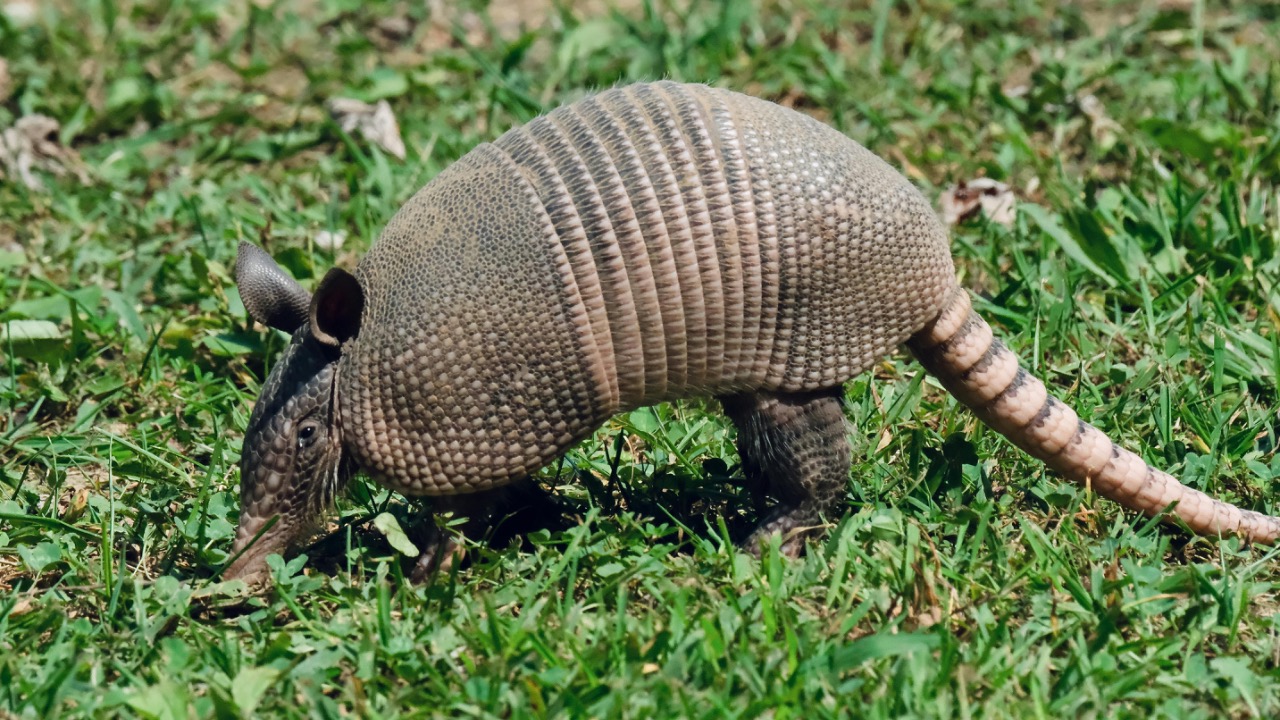
Few animals capture this shift as clearly as the nine banded armadillo. According to Key Insights from recent reporting, these Nine banded armadillos have been expanding their range since the early 1900s, but their move north has sped up in recent years. Warmer winters, fewer deep freezes, and plenty of food in lawns and gardens have helped them survive in places that once would have been too harsh. Wildlife control services in some communities have been caught off guard as residents call about burrowing animals they had only seen in nature documentaries.
The spread of armadillos into the Midwest has raised new questions for states that never planned for them. One detailed report asked Why armadillos in Indiana matter and pointed to the damage they can cause with their extensive digging and burrowing. Increased global temperatures are part of the reason they can now live that far north, and their presence forces local officials to think about road safety, lawn damage, and even disease risks. I see the armadillo not just as a curiosity, but as a symbol of how quickly a state’s wildlife list can change.
Feral pigs and the march across at least 35 states
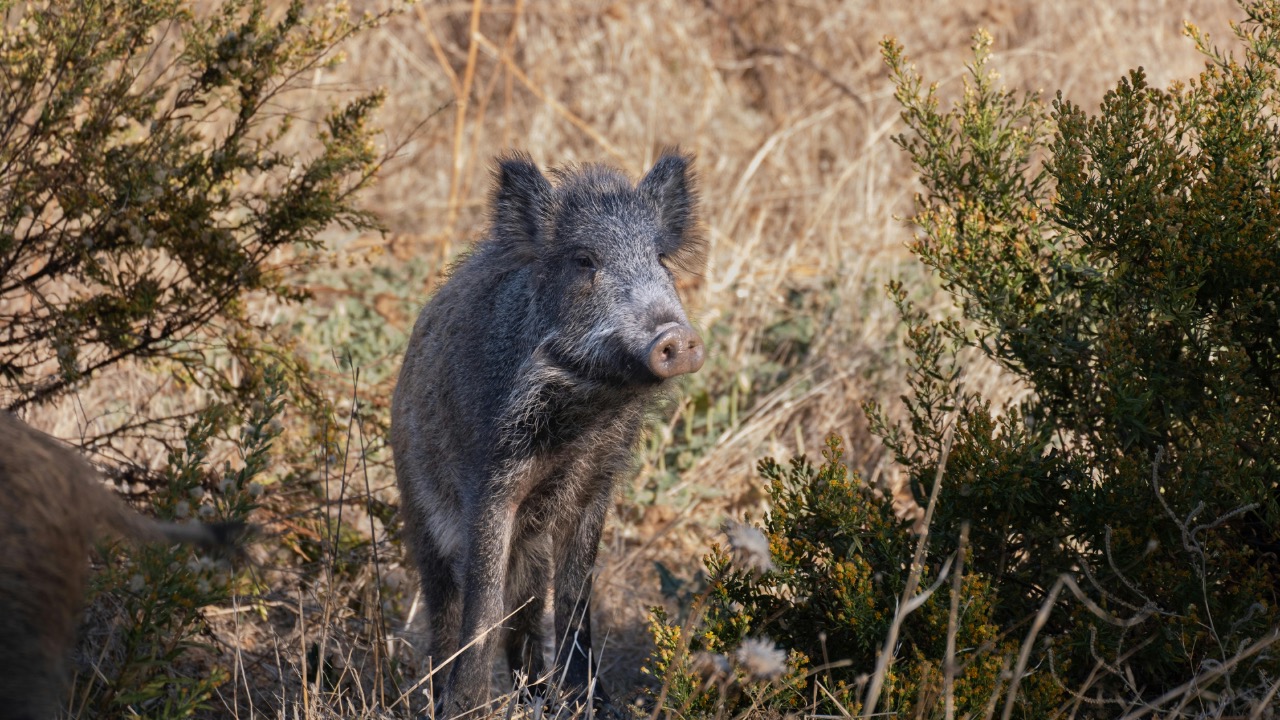
Feral pigs, also known as wild boar, show how fast a large mammal can spread once it gains a foothold. They are not native to North America, but they now roam across farms, forests, and suburbs in much of the country. One climate and food report notes that Feral pigs have rapidly expanded across at least 35 states because they can eat almost anything and adapt to a wide range of climates. That flexibility makes them hard to control once they arrive in a new region.
The impact goes far beyond a few torn up fields. Historical accounts of invasive animals highlight how the very real problem of invasive feral swine became a national talking point when a Twitter user from Arkansas asked, “How do I kill the 30–50 feral hogs that run into my yard within 3–5 minutes while my small kids play?” The viral joke grew out of a real fear in rural communities that face crop loss, disease risks, and damage to fences and streams. As feral pigs move into states that never had to manage them before, those states must now weigh costly trapping programs, hunting rules, and public safety campaigns.
Invasive carp pushing through the Mississippi basin
Not all new arrivals are on land. In rivers and lakes, invasive carp are changing what swims beneath the surface. An overview of their spread explains that Invasive carp, previously known as Asian carp, have been moving slowly through the Mississippi River basin since the 1970s. Originall introduced to help control algae and weeds in ponds, they escaped into the wild and have been expanding their range ever since. As they move upstream, they threaten to enter new states and even the Great Lakes, where they could out compete native fish.
These carp grow quickly, eat huge amounts of plankton, and can crowd out the food base that supports sport fish such as bass and walleye. States on the edge of their current range are racing to build barriers and improve monitoring before the fish arrive. If those efforts fail, anglers and tourism businesses in states that have never seen invasive carp will have to adjust to a river system dominated by a new, aggressive species that jumps at the sound of a boat motor.
Termites moving beyond South Florida and into new counties
Some of the most worrying range expansions are happening out of sight, inside walls and under floors. Earlier this year, researchers reported that Florida’s coastal and urban counties are seeing the spread of two invasive termite species beyond South Florida. These termites are now turning up in areas that had not experienced them before, putting more homes and buildings at risk. The scientist quoted in that report warned that residents who never worried about termites of this type now have to think about protection and repair costs.
A companion analysis from IFAS describes how a statewide termite distribution map shows these invasive species turning up in new localities. The map helps track where they have been found and where they are likely to appear next, giving communities a chance to prepare. For homeowners, that means inspections, insurance questions, and sometimes expensive treatments in places that never had to budget for them before. For me, it is another sign that climate and trade are combining to move pests into fresh territory.
Nutria, fox squirrels, and other mammals on the move
Large rodents and tree squirrels are also expanding into states that did not evolve with them. The nutria, a semi aquatic rodent, was brought into North America from South America for the fur trade. When that business failed, many animals escaped or were released, and they spread through wetlands, often carried to new habitats along with cargo. In states where they were never part of the native fauna, nutria now chew through marsh plants, weaken levees, and compete with native muskrats and beavers.
Even familiar animals can be newcomers in some regions. One writer described living in Boise, Idaho, where fox squirrels are not native but have become common in yards and parks. Neighbors argued that “we invaded their home,” but in that city the squirrels themselves are the invaders, having spread from other parts of the country. Their presence changes which trees thrive, which birds succeed, and how people experience their local nature. I see similar stories across many states, where animals that feel ordinary in one region are brand new in another.
Global hotspots show how fast change can happen
The United States is not alone in seeing new wildlife arrive. Recent research from the Dutch Caribbean recorded 211 alien invasive species in that region. These include marine invaders like lionfish, terrestrial animals such as boa constrictors and iguanas, and dozens of introduced agricultural pests. That number shows how quickly a small island area can fill with newcomers when trade, tourism, and climate change combine.
For me, the Dutch Caribbean example acts as a warning for U.S. coastal states and territories. If a compact region can host 211 alien invasive species, it is easy to imagine how many non native organisms might already be present across a country as large as the United States. The difference is that many American states are only now realizing that some of their “new” wildlife neighbors are part of a global wave of biological change, not isolated oddities.
Tracking new arrivals and preparing for the next wave
As species continue to expand into new states, data becomes a key defense. The Early Detection andtion Mapping System gives land managers and the public a way to report sightings of select invasive species and generate real time distribution maps. When a new insect or plant appears in a county for the first time, a quick report can help agencies respond before it spreads further. In my view, these tools turn ordinary residents into the front line of biosecurity.
At the national scale, the United States Register of Introduced and Invasive Species, or RIIS, compiles records of non native species that have become established across the country. Its Abstract Introduced description explains that the database helps track trends and interactions across time and space. Together with local mapping tools, it offers a clearer picture of how armadillos, feral pigs, carp, termites, and many other species are redrawing the map of American wildlife. For states that have never hosted these animals before, that knowledge is the first step toward deciding when to welcome a new neighbor and when to act before it takes over.

Leo’s been tracking game and tuning gear since he could stand upright. He’s sharp, driven, and knows how to keep things running when conditions turn.