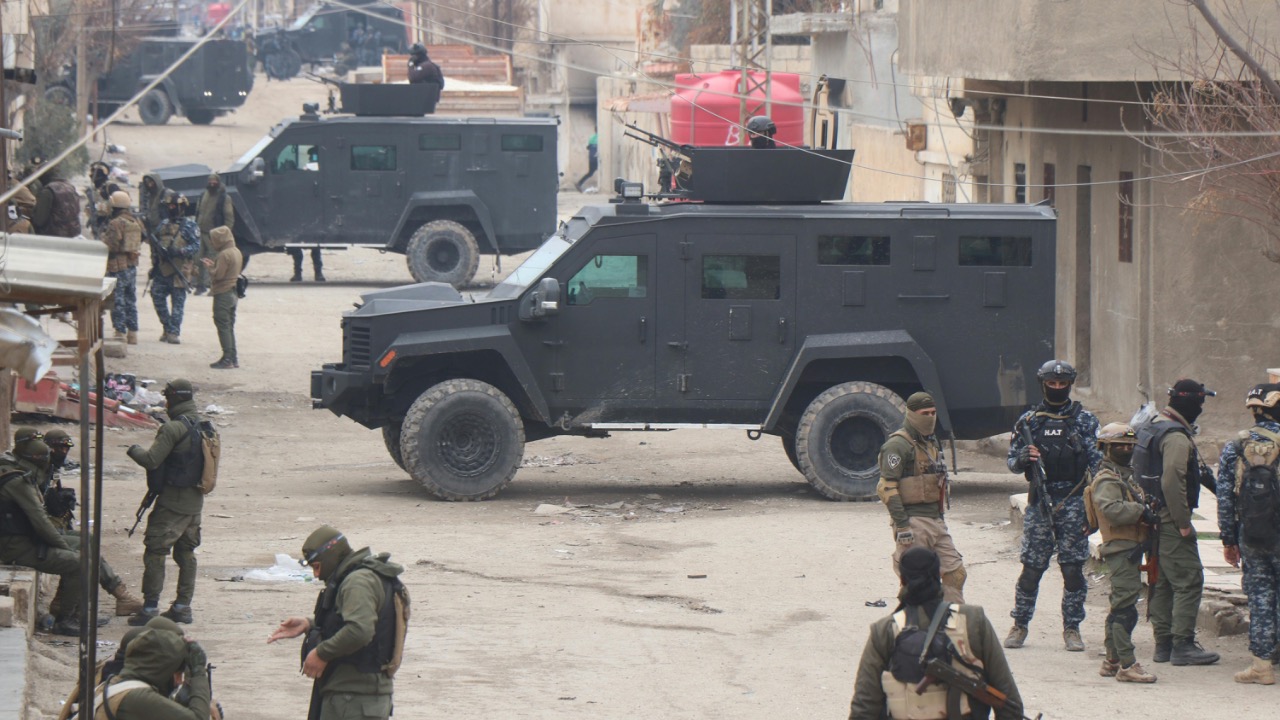
Growing Unease in Military Worsened by Conflict With Iran
As the conflict involving Iran continues to escalate, signs of unease are growing within military and political circles—driven by prolonged fighting, unclear end goals, and rising global consequences.
What began as a rapid, high-intensity strike campaign has evolved into a more complex and uncertain situation, with pressure building both inside and outside the U.S. military.
A War That Didn’t End Quickly
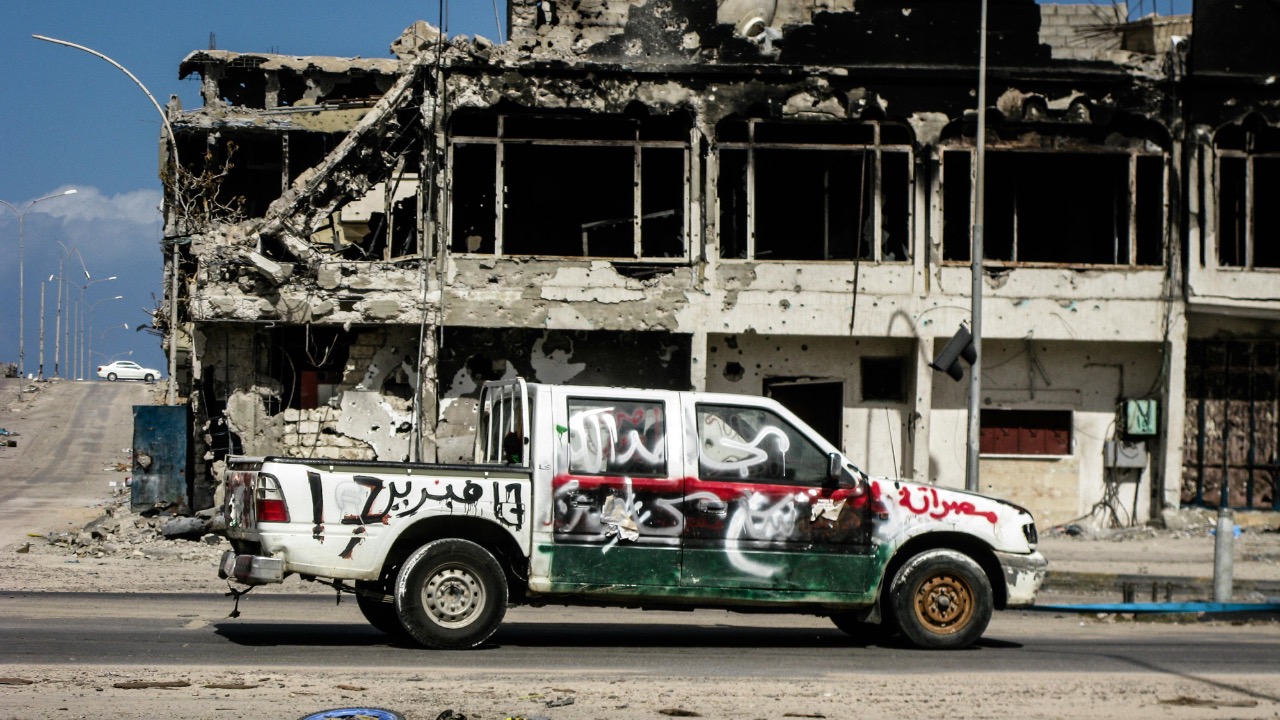
The 2026 Iran conflict started with large-scale U.S. and Israeli strikes targeting military infrastructure, leadership, and nuclear facilities.
But despite early claims of success, the broader outcome has been less decisive. Analysts note that while damage was inflicted, Iran’s overall military structure and regional influence remain intact.
That gap between expectations and reality is one reason concern is growing.
Escalation Without Clear Off-Ramp
Recent developments—like the U.S. naval blockade of Iranian ports—have intensified the situation rather than resolved it.
At the same time, lawmakers are increasingly asking for a clear strategy to end the conflict, with some warning that continuing operations without a defined outcome could weaken long-term national security.
This uncertainty has contributed to tension inside defense planning circles, where long-term commitments can stretch resources and morale.
Global Pressure Is Adding to the Strain
The conflict is no longer contained to the battlefield.
Economic fallout is already being felt worldwide, with the IMF warning of slower global growth and rising inflation tied to disruptions in oil supply and trade routes.
Iran’s actions around the Strait of Hormuz—one of the most important shipping lanes in the world—have raised concerns about energy security and long-term instability.
For military planners, that adds another layer of complexity: the conflict is affecting not just security, but the global economy.
Expanding Conflict Zones
The war has also spread beyond Iran itself.
Iran-backed militias have launched attacks on U.S. forces in Iraq and other parts of the region, while missile and drone strikes have targeted U.S. bases and allied countries.
This widening battlefield increases operational demands and raises the risk of a broader regional conflict.
Internal and Allied Concerns
Even among allies, the conflict has exposed concerns about military readiness and long-term strategy.
In the U.K., for example, analysts say the war has highlighted gaps in military capability and raised questions about how prepared Western nations are for sustained conflict.
Within the U.S., similar concerns are emerging around resource allocation, readiness, and the potential for prolonged engagement.
The Human Factor
Beyond strategy and politics, there is also the strain on personnel.
Extended deployments, uncertain objectives, and the possibility of escalation all contribute to stress within military ranks. While not always publicly detailed, these factors are commonly cited in prolonged conflicts where timelines become unclear.
The Bigger Picture
The growing unease surrounding the conflict reflects a broader reality: modern wars are rarely quick or contained.
What began as a targeted military operation has expanded into a multi-layered conflict involving economic disruption, regional instability, and ongoing strategic uncertainty.
And as the situation continues to evolve, the biggest concern may not just be what has already happened—but how long it might continue.

Leo’s been tracking game and tuning gear since he could stand upright. He’s sharp, driven, and knows how to keep things running when conditions turn.