Hunter Says Someone Fired Too Close to His Camp — and It Felt Intentional
Deep in the Norwegian wilderness, miles from any road or signal, hunters often count on isolation as part of the deal. You pack in everything you need, trust the quiet, and focus on the terrain you have rights to hunt. One experienced hunter and his buddy did exactly that on a long-weekend trip a few years back. They expected nothing but the usual challenges of the backcountry. Instead, a series of rifle shots turned their final night into something far more threatening. The rounds came without any warning or reason, struck close enough to scatter rocks at their feet and later punch through their tent. What happened next left them convinced someone had aimed their way on purpose.
Heading out into the remote hunting grounds
You and your buddy plan the trip carefully and hike far into the designated area where the two of you hold exclusive hunting rights. The terrain sits in the middle of nowhere, with no cell service for at least five or six kilometers and the cars parked a solid ten kilometers back. You carry in the tent, gear, and supplies knowing the spot should stay empty of other people. The wilderness feels vast and private, the kind of place where you rarely run into anyone else.
That sense of ownership and distance matters out here because it removes the usual worries about overlapping hunters. You set your expectations low for company and high for self-reliance. Everything about the approach feels standard for a serious backcountry hunt in Norway, where such remote sections stay protected by law and local practice. Yet that same isolation becomes a problem when trouble arrives without backup nearby.
Setting up camp beside the small lake
You pick a level spot right next to a small lake and pitch the tent, keeping the fire pit close for evening meals. The first couple of days roll by without any sign of other humans. No voices carry across the water, no distant figures appear on the ridges. You move through the routine of checking gear, scanning for game, and letting the quiet settle in.
The lake reflects the sky in a way that makes the whole place feel contained and safe. You note how dark it gets once the sun drops, with no ambient light from towns or roads. That pitch-black setting feels peaceful at first, almost perfect for unwinding after the hike. You settle into the rhythm, confident the only activity around you belongs to the wildlife you came to observe.
Enjoying a quiet dinner by the campfire
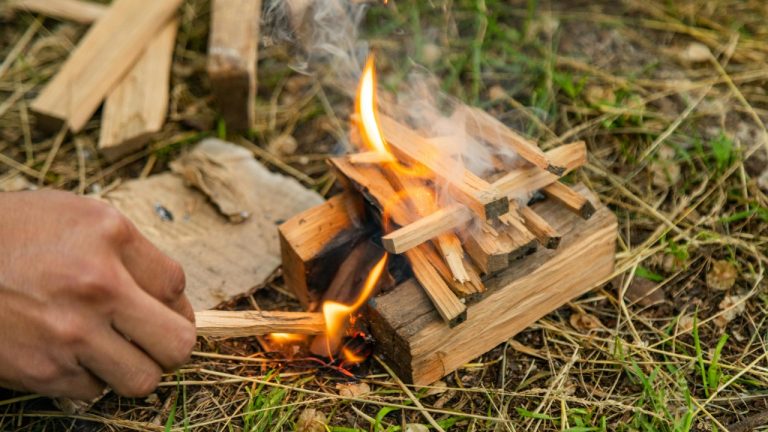
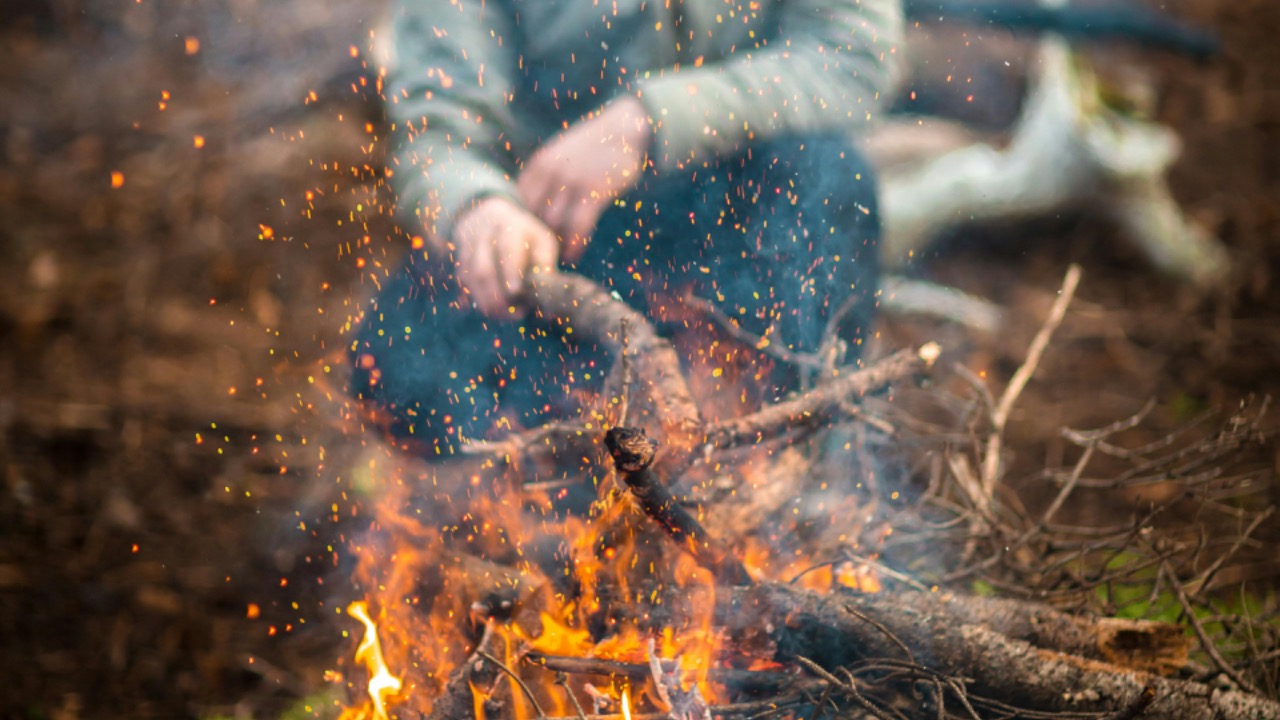
On the last night you sit by the campfire eating dinner late, the flames throwing light only a few feet in any direction. Everything beyond that small circle stays completely black. The meal tastes better out here, the kind of simple food that hits right after a long day. You talk in low voices about the trip so far and the hike out tomorrow.
The air carries that crisp wilderness chill, and the fire crackles steadily. You feel the kind of tired satisfaction that comes from days spent off the grid. Nothing seems out of place until the first sound breaks the pattern. That moment by the fire marks the exact line between routine and alarm, though you do not know it yet as you finish the last bites.
Hearing the first rifle shot across the water
A sharp rifle crack echoes from the far side of the lake. The sound travels clearly through the still night air, and you pause mid-conversation. It registers as odd because the area should hold no other hunters, but distance can play tricks on how close things seem. You decide it must be someone messing around farther away than it sounds.
You shake it off and return to the meal, letting the fire warm your hands again. The single shot fades into memory quickly enough. No movement follows it, no voices, no follow-up. The wilderness swallows the noise, and for a few minutes the night feels ordinary once more. You tell yourself these things happen sometimes in remote spots.
The second shot that lands right beside you
Five or ten minutes later another rifle shot rings out, this one unmistakably closer. The bullet strikes rocks about five meters away, sending small fragments flying. You freeze and lock eyes with your buddy, the realization hitting both of you at once. The round came from the right direction and distance to feel aimed, not random.
Your pulse jumps as the implications sink in. Someone out there in the dark has a clear line toward your campfire. You do not wait to analyze it further. The two of you move fast, grabbing what you need before the next sound arrives. That rock impact shifts everything from strange to immediate danger.
Racing into the woods with your shotguns
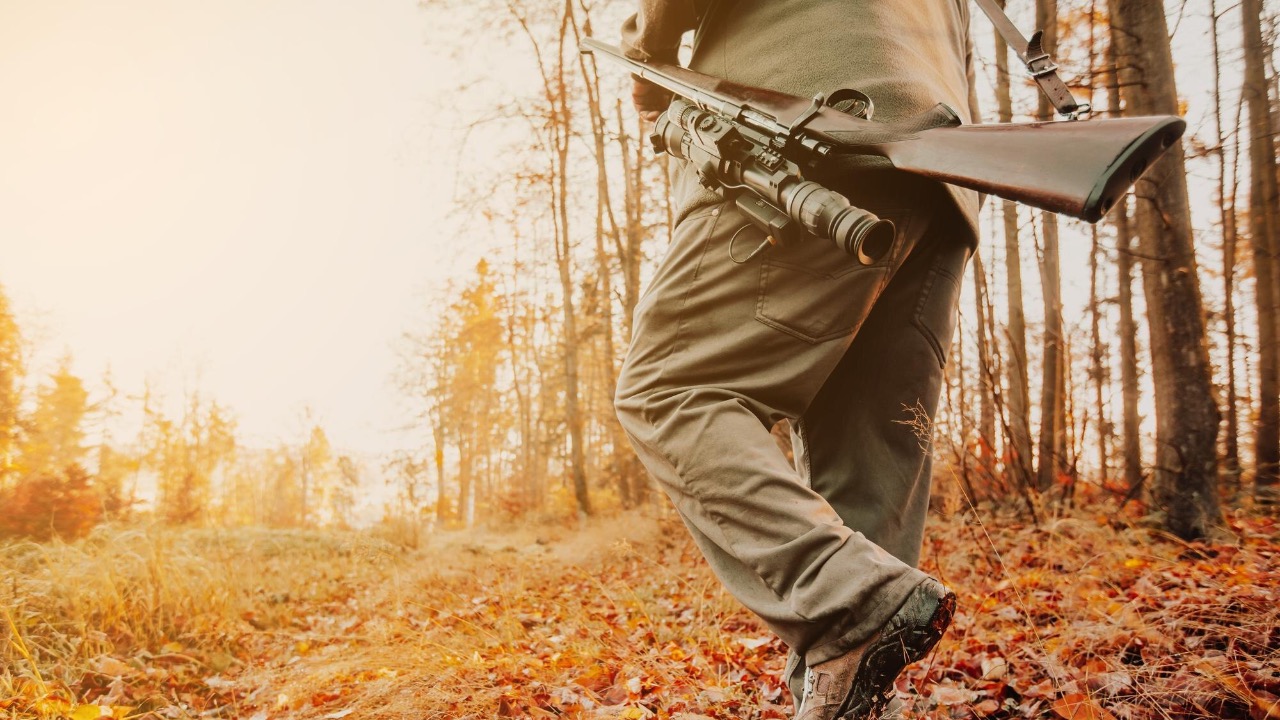
You bolt for the tent, snatch the shotguns, and keep running deeper into the trees. The ground feels uneven underfoot in the total darkness, but you push on until you find decent cover. You hunker down behind a thick fallen tree, breathing hard and listening. The shotguns stay ready in your hands, though you hope you will not need them.
The woods swallow your footsteps after the initial scramble. No lights go on because that would only paint a target. You stay low and quiet, hearts pounding while the night stretches out. Every small sound now carries extra weight, and the earlier calm of the lake feels like it belongs to another trip entirely.
The third shot that hits your tent
A few minutes pass before the third rifle shot cracks through the silence. It sounds aimed at the camp you just left. Later, when you finally return, you confirm the round tore straight through the tent fabric. The evidence sits there in the daylight, undeniable and close.
You stay pressed against the roots of the downed tree, processing what just happened. The sequence feels too deliberate to dismiss as an accident or distant hunter error. Three shots, each closer or more accurate than the last, with no one around who should have a rifle in the first place. The tent damage drives the point home hours afterward.
Spending the night hidden under tree roots
With no cell service and complete darkness, hiking out feels impossible without flashlights that would give away your position. You wedge yourselves into a natural hollow formed by the tree roots and wait for first light. The hours drag, cold and tense, while you strain to hear any movement.
You keep the shotguns close and speak only in whispers when necessary. The isolation that felt like a privilege earlier now works against you. Every minute stretches, and the uncertainty about who fired and why gnaws steadily. You focus on staying still and alert until the sky begins to lighten.
Making the hurried trek back to the cars at first light
As soon as dawn breaks you break cover, pack the gear with speed, and move quickly toward the cars. The trail feels longer than it did on the way in, every shadow drawing extra attention. You cover the ten kilometers as fast as the terrain allows, glancing back more than once.
Relief hits only when the vehicles come into view. You load up without lingering and put distance between yourselves and the lake. The drive to a spot with service feels like crossing back into the normal world. The whole return happens in a focused, quiet rush that leaves little room for talk until you reach safety.
Contacting the police and waiting for answers
You call the police as soon as a signal appears and lay out the details. They take the report seriously given the location and the shots striking so close. Investigators look into it, but nothing concrete turns up in the end. No suspects, no clear motive, just the physical evidence from the tent and your account.
You replay the night in your mind while answering their questions. The rarity of poachers in Norway makes the whole thing harder to explain. The authorities do their part, yet the lack of resolution leaves the questions hanging. You file the incident and try to move forward, though the memory sticks.
Looking back on the fear that lingered for years
The experience stays with you long after the trip ends. You realize how quickly a routine hunt can shift into survival mode when someone decides to fire in your direction. The shots carried intent that never received an explanation, and that uncertainty weighs heavier than any animal encounter ever could.
It takes several years before you feel ready to return to similar wilderness spots. Even then the memory surfaces whenever a distant rifle crack breaks the quiet. The event underscores how thin the line can be between peaceful isolation and sudden threat in places where help stays hours away. You carry the lesson every time you head out again.

Asher was raised in the woods and on the water, and it shows. He’s logged more hours behind a rifle and under a heavy pack than most men twice his age.