10 U.S. states with the highest skunk populations
Skunks are having a moment in the United States, and not in a way drivers or dog owners appreciate. As striped and spotted skunks push deeper into suburbs and farm country, some states are seeing clear surges in sightings and rabies activity. Here are 10 states where skunk numbers and encounters look especially high, based on wildlife notes and public health data.
1. Indiana – skunk population and sightings on the rise
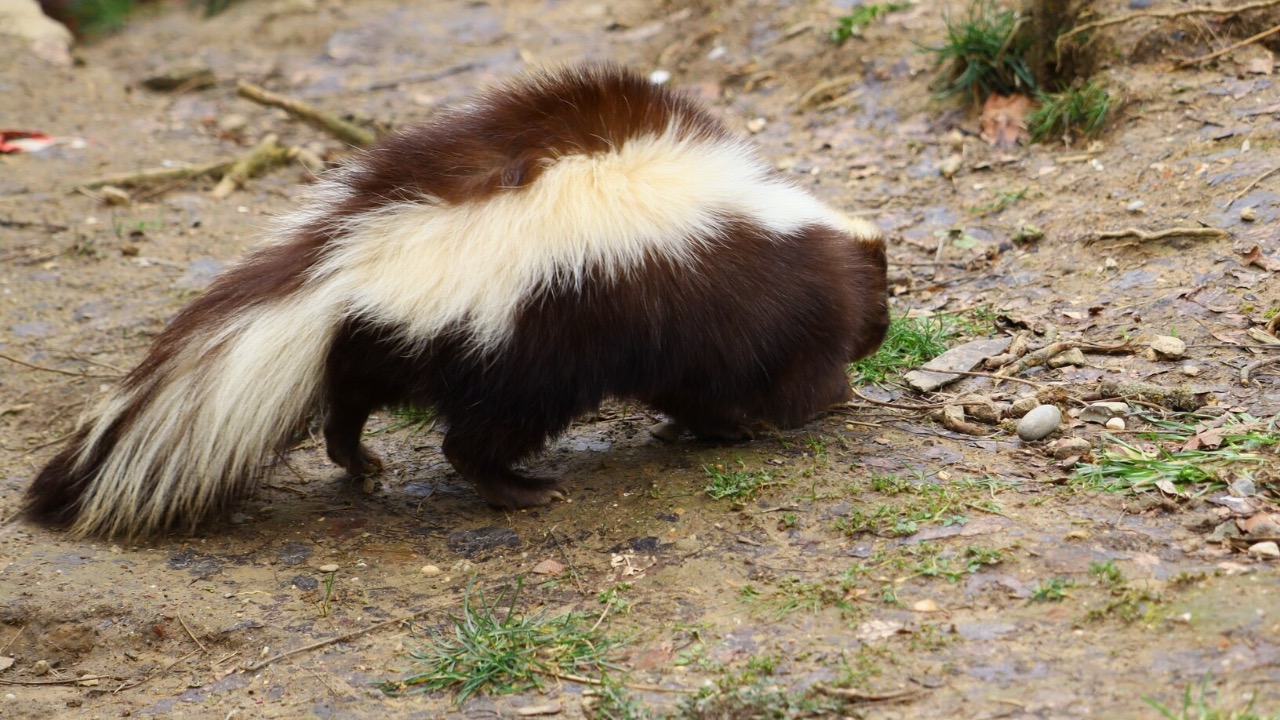
Indiana has all the ingredients for a skunk boom: patchy woods, row crops, and plenty of barns and sheds. Wildlife staff and residents are reporting that skunk sightings are climbing, especially where development butts up against fields. That tracks with what I see in similar farm states, where easy food around homes and livestock operations pulls skunks right into human space.
Naturalists note that the Striped skunk is the only skunk native to Indiana and that it shows up in every county, which is exactly what you expect in a high‑population state. A related project describes how the same Striped animal is being tracked statewide, giving biologists better eyes on where numbers are thickest and where conflicts with people are growing.
2. Ohio – significant skunk involvement in rabies cases
Ohio does not publish a clean skunk headcount, but its rabies records tell a clear story. Public health data show that skunks are one of the main wildlife vectors in the state’s rabies surveillance, and the national overview of rabies in wildlife highlights how striped skunks carry the virus in several Midwestern zones. When skunks keep turning up in lab-confirmed rabies cases, it usually means there are plenty of them on the landscape.
For hunters, trappers, and rural homeowners, that rabies role matters as much as the smell. A strong skunk population around barns and woodlots raises the odds of sick animals wandering into yards or tangling with pets. It also pushes state health departments to keep vaccine supplies and testing capacity ready, which is another indirect sign that skunks are a persistent presence in Ohio.
3. Illinois – notable skunk rabies occurrences
Illinois sits in the same rabies region as Ohio, and skunks show up regularly in its wildlife testing. The national rabies summary points to skunks as a primary vector in several central states, and Illinois fits that pattern with recurring skunk positives in its public health data. When a medium‑sized carnivore keeps appearing in those reports, it usually reflects a solid, widespread breeding population rather than a scattered handful of animals.
On the ground, that means Illinois farmers and rural homeowners are dealing with skunks around grain bins, poultry runs, and old outbuildings. High numbers translate into more roadkills, more den sites under sheds, and more chances for pets to get sprayed or bitten. For a state that already juggles coyotes and raccoons, skunks add another layer of nuisance and disease risk that landowners have to factor into daily chores.
4. Michigan – skunks as key rabies carriers
Michigan’s mix of forest, farmland, and lakeshore suburbs gives skunks everything they need, and rabies data back that up. In the national breakdown of wildlife rabies, skunks are listed as important carriers in the upper Midwest, which includes Michigan’s rabies management zones. When state labs keep confirming skunk cases year after year, it signals that the animals are well established across both peninsulas.
Those numbers matter for anyone running bird feeders, compost piles, or backyard chickens. Skunks are drawn to spilled grain and unsecured feed, and a dense population can quickly learn to work through neighborhoods at night. For trappers and nuisance-control operators, Michigan’s rabies‑positive skunks mean more calls to remove animals safely and more reminders to keep pets vaccinated before they nose into trouble.
5. Wisconsin – elevated skunk-related rabies reports
Wisconsin’s rabies surveillance also points to a strong skunk presence. Public health summaries list skunks among the state’s recurring rabies carriers, and the broader Midwest pattern shows the same thing. Even though the Midwest has seen sharp declines in the eastern spotted skunk, striped skunks remain common, which is why they still appear in testing tallies and nuisance complaints.
For landowners, that mix of high numbers and disease potential shapes how they manage property edges. Closing off crawl spaces, securing feed, and watching dogs at night become routine when skunks are part of the neighborhood wildlife. Wisconsin’s experience shows how a healthy skunk population can be both an ecological player and a steady source of low‑level risk around homes and cabins.
6. Pennsylvania – high volume of skunk rabies cases
Pennsylvania sits on the eastern edge of the skunk rabies belt, and its public health data reflect that. Skunks are a primary wildlife vector in the state’s rabies reports, which means they are common enough to keep turning up in bite investigations and roadkill testing. When a species is that prominent in surveillance, it usually occupies everything from farm country to wooded suburbs.
That widespread presence has real stakes for hunters, hikers, and anyone running dogs. A rabid skunk in a hedgerow or brushy fencerow can expose pets and people before anyone realizes something is wrong. Pennsylvania’s experience underscores how a high skunk population forces agencies to balance wildlife tolerance with aggressive rabies monitoring and public reminders about vaccinating animals.
7. New York – skunk rabies prevalence
New York’s mix of dense suburbs, dairy country, and big forest blocks gives skunks plenty of cover, and rabies data confirm they use it. Skunks are listed among the state’s key wildlife vectors, and they show up regularly in the national rabies summaries that track regional strains. That level of detection points to a broad distribution, from the Hudson Valley to smaller farm towns and lake communities.
For residents, the combination of high skunk numbers and tight living spaces can be a headache. Skunks den under porches, raid unsecured trash, and wander through small backyards where kids and pets play. New York’s rabies history with skunks keeps pressure on local health departments to respond quickly to suspect animals and to remind homeowners that a casual backyard encounter can carry more risk than the smell alone suggests.
8. Iowa – skunks contributing to rabies epidemiology
Iowa’s landscape of corn, soybeans, and shelterbelts is tailor‑made for striped skunks, and rabies surveillance backs that up. Public health data show skunks contributing to the state’s rabies picture, which lines up with the broader Midwestern pattern of skunks as a primary vector. When a farm state keeps logging skunk positives, it is a safe bet that the animals are abundant along drainage ditches and field edges.
That abundance matters for livestock operations and rural homesteads. Skunks are drawn to spilled grain, eggs, and feed, and high densities can mean repeated visits to the same barns and chicken coops. Iowa’s rabies findings remind producers that controlling access to feed and tightening up old buildings is not only about nuisance prevention, it is also about cutting down the odds of a sick skunk wandering into the yard.
9. Missouri – recurrent skunk rabies incidents
Missouri straddles several wildlife regions, and skunks seem comfortable in all of them. Public health summaries show recurrent skunk rabies incidents, which indicates a strong, stable population across the state’s mix of Ozark hills, river bottoms, and pastureland. When skunks keep appearing in rabies testing, it usually means they are a routine part of roadkill surveys and nuisance calls.
For folks who spend time on back roads and farmsteads, that reality is easy to see. Skunks work hayfields for insects, den in rock piles, and follow creek corridors that run right past homes. Missouri’s steady rabies detections in skunks highlight how a thriving population can quietly shape vaccination policies for pets and influence how landowners think about nighttime wildlife around their properties.
10. Minnesota – skunk role in U.S. rabies dynamics
Minnesota rounds out the list with skunks that still play a clear role in rabies dynamics despite regional changes. The eastern spotted skunk has declined in Minnesota and Wisconsin, but striped skunks remain common enough to appear in rabies surveillance and nuisance reports. That ongoing presence keeps them in the conversation whenever agencies talk about wildlife disease and suburban encounters.
Cold winters do not thin them out as much as people think, because barns, sheds, and urban heat islands offer shelter. As a result, Minnesota residents still see skunks along plowed roads and near livestock yards. Their continued role in rabies monitoring shows that even in northern states, skunks are holding their ground and staying numerous enough to matter for public health and everyday outdoor life.
Supporting sources: Department of Health.

Asher was raised in the woods and on the water, and it shows. He’s logged more hours behind a rifle and under a heavy pack than most men twice his age.