Russia’s Air Force Has Grown More Potent Since Ukraine Invasion, Experts Say
Military analysts say Russia’s air force has become more capable and dangerous since the start of its full-scale invasion of Ukraine, despite sustaining significant losses in aircraft and personnel.
Since 2022, the conflict has acted as a large-scale real-world training environment for the Russian Aerospace Forces (VKS), forcing rapid adaptation in tactics, weapons use, and coordination with ground and drone forces.
Combat Experience Has Changed the Force
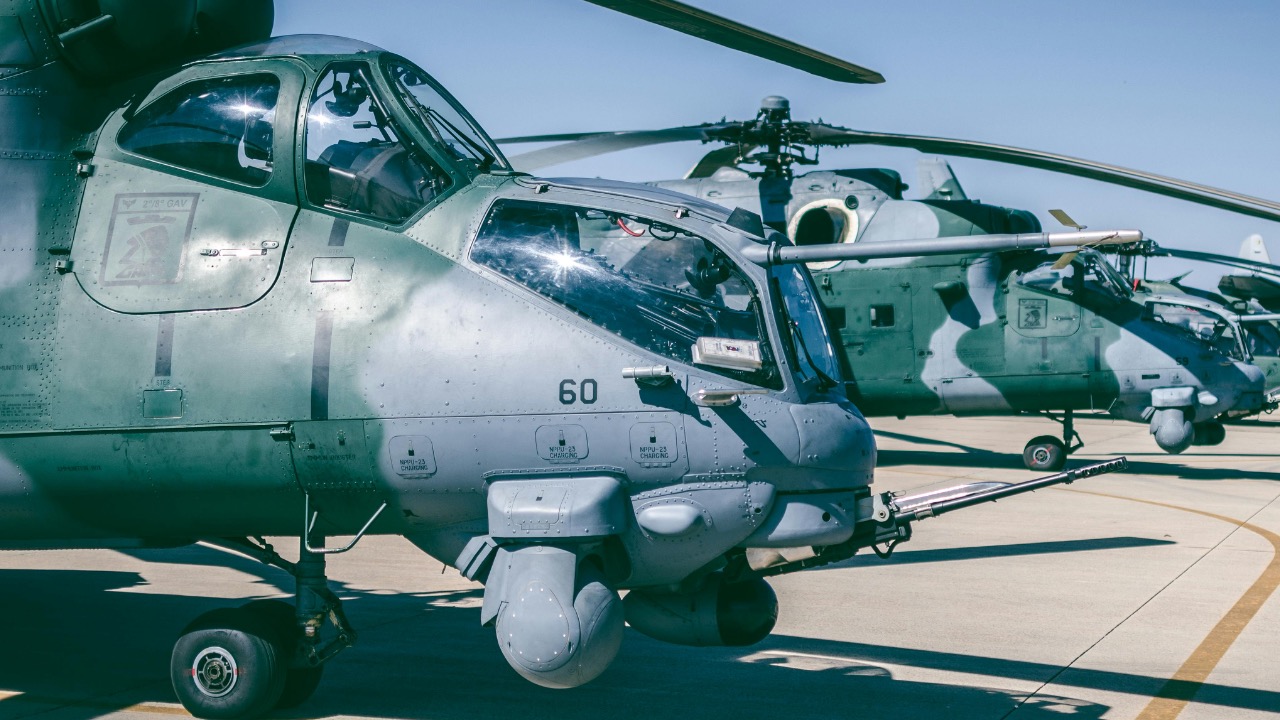
Airpower experts argue that continuous operations over Ukraine have given Russian pilots and commanders valuable combat experience that they lacked before the war.
Instead of operating in exercises, Russian air units have spent years conducting real strike missions, adjusting tactics under fire, and learning to operate in heavily contested airspace. Analysts say this has improved coordination between aircraft, long-range missiles, and ground-based air defenses.
Improved Tactics and Weapons Use
One of the most notable changes is Russia’s increased reliance on stand-off weapons, such as glide bombs and long-range missiles, which allow aircraft to strike targets without entering the most dangerous parts of enemy air defense zones.
This shift reduces aircraft losses while still enabling sustained pressure on targets in Ukraine. Military observers say this reflects a broader evolution toward safer but more persistent strike operations.
Fleet Rebuilding and Modernization
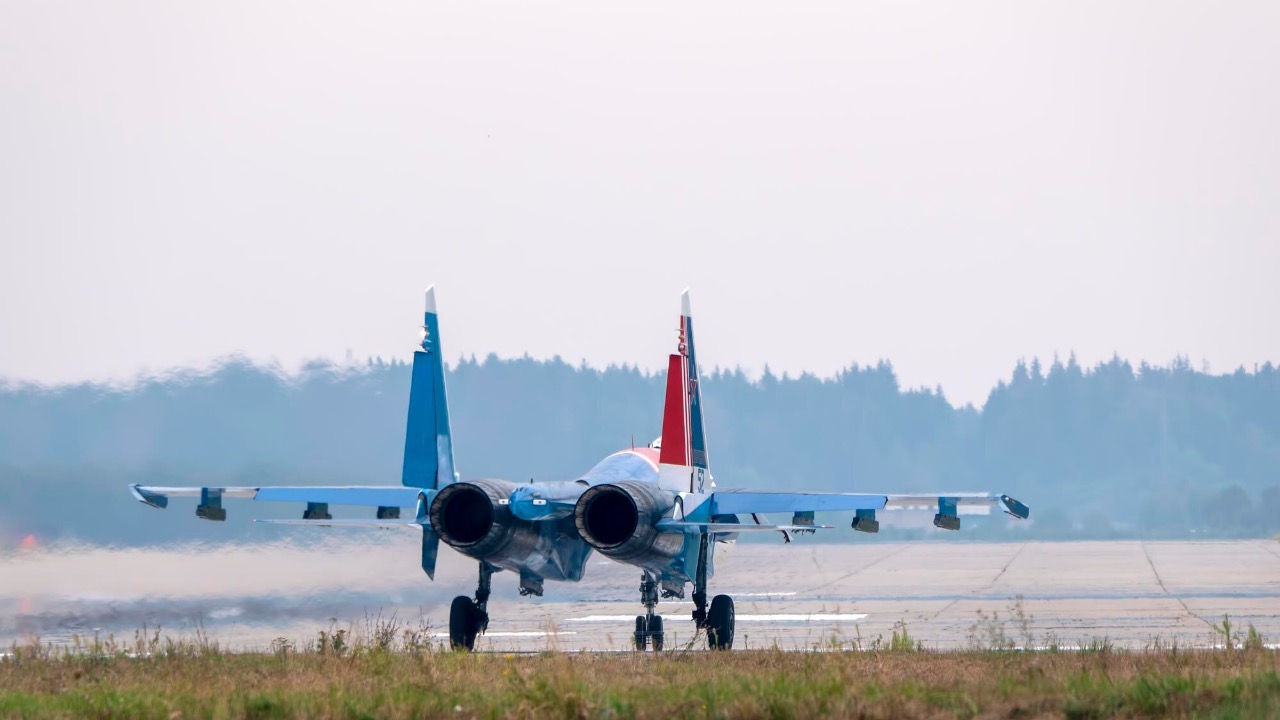
Although Russia has lost aircraft in combat, it has also continued producing and fielding newer models, including upgraded fighters and strike aircraft like the Su-35 and Su-34 variants.
According to defense assessments, new production has partially offset wartime losses, meaning the overall fleet has not collapsed and in some categories has even stabilized or grown in capability.
At the same time, Russia has expanded drone warfare capabilities and integrated unmanned systems more deeply into air operations, creating a more layered and flexible air combat structure.
Stronger Air Defense Integration
Experts also note that Russia’s air force is now more closely integrated with its extensive ground-based air defense network.
While Russia did not achieve air superiority early in the war, its improved coordination of aircraft, missiles, and radar systems has made any future large-scale air operation against it significantly more complex for adversaries.
Losses Still Significant, But Not Decisive
Russia has lost aircraft during the war, particularly older models and ground-attack planes, but analysts say these losses have not fully degraded its overall air power.
Instead, the force has adapted by shifting tactics, increasing production of certain platforms, and relying more heavily on stand-off weapons and drones.
Strategic Implications
Western defense experts caution that while NATO air forces remain technologically superior in many areas, Russia’s improved experience and evolving tactics make it a more difficult and unpredictable opponent than it was before 2022.
The concern is not just raw capability, but how Russia now operates as a combined system—aircraft, drones, missiles, and air defenses working together in a more coordinated way.
Bottom Line
Russia’s air force is not necessarily stronger in a traditional sense, but it is more experienced, more adaptive, and more integrated than it was before the Ukraine war.
Experts say that combination makes it a more serious long-term challenge for Western militaries—even as it continues to face heavy attrition on the battlefield.

Leo’s been tracking game and tuning gear since he could stand upright. He’s sharp, driven, and knows how to keep things running when conditions turn.