Common Bank-Fishing Errors Even Experienced Anglers Make
Bank anglers often pride themselves on reading water and grinding out bites from shore, yet even seasoned fishers fall into repeatable traps that quietly cost fish. The most damaging errors are rarely dramatic blowups; they are small habits and blind spots that add up to empty livewells on otherwise promising days. By breaking down those patterns and matching them with proven fixes, experienced bank anglers can turn stubborn skunks into consistent results.
Those recurring problems range from skipping basic scouting to spooking fish with noisy approaches, from camping on dead water to neglecting tackle that fails under pressure. Each mistake has been documented by tournament pros, guides, and long-time shore specialists who have learned the hard way that bank success depends on precision, stealth, and discipline rather than luck.
1. Skipping the “homework” before ever leaving the truck
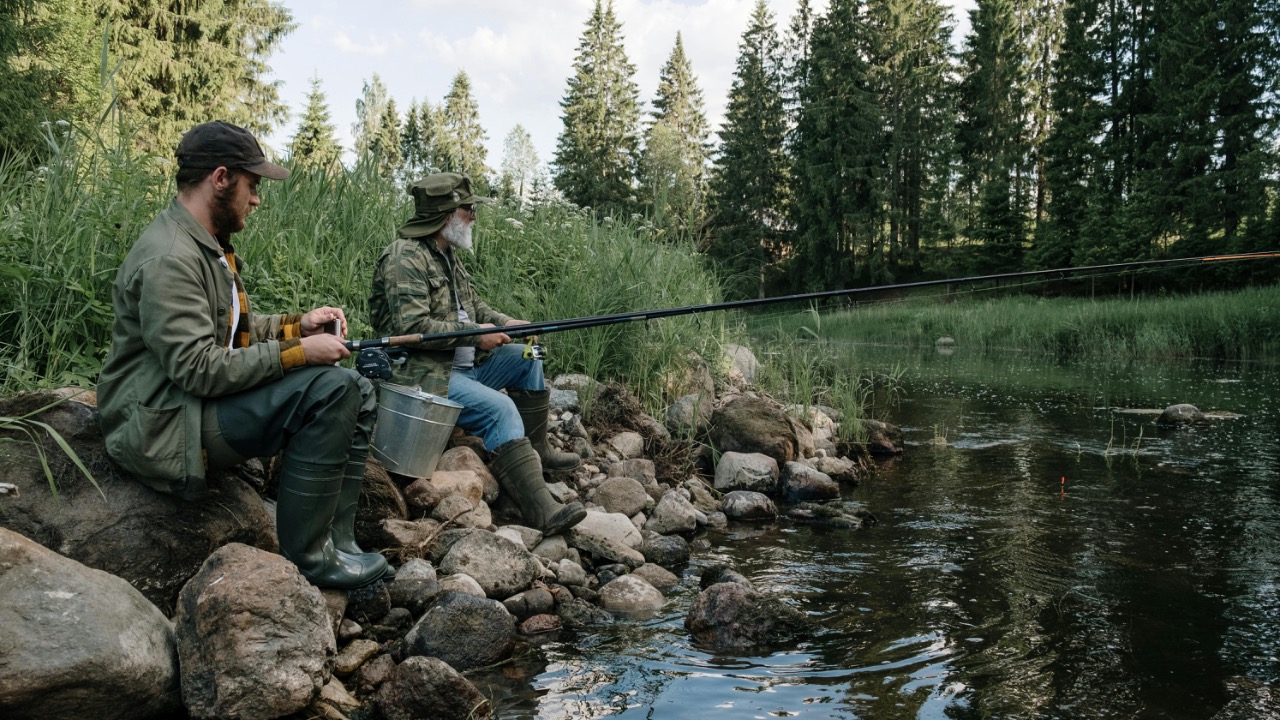
Plenty of anglers still walk up to a pond or river and start casting blindly, even when they know that preparation separates a banner day from a slow grind. Detailed scouting on a phone or laptop lets them spot points, coves, inflows, and man-made structure long before the first cast. One guide describes how pulling up satellite imagery and zooming in on a new pond reveals subtle ditches, dam corners, and shaded banks that are invisible from a parking lot, a process he simply calls Skipping Homework when anglers fail to do it.
That same scouting mindset extends beyond maps to water clarity, wind direction, and seasonal patterns that can be checked before anyone ties on a lure. Anglers who ignore this pre-trip homework often arrive late to prime feeding windows or waste time on featureless banks while more productive corners load up with bait. Pond specialists emphasize that even a few minutes of research can reveal patterns that apply to virtually any small water, from identifying wind-blown banks that stack forage to spotting shallow cover where fish routinely slide up to feed, insights that become obvious once a habit of digital and on-the-ground reconnaissance is in place.
2. Treating the bank like a static casting platform
Even experienced anglers often treat a shoreline like a fixed dock, picking one or two comfortable spots and firing cast after cast into the same water. Shore veterans repeatedly argue that this is one of the fastest ways to turn a promising afternoon into a blank. In one short breakdown of common errors, a bass specialist lists staying in one spot as mistake number one, stressing that bank anglers who refuse to move are effectively fishing a tiny slice of habitat while the bulk of active fish roam elsewhere, a point he hammers home in a clip about Bank fishing mistakes.
Other bank-focused voices echo the same theme in longer form, pointing out that 90% of the bass are in 10% of the water, so a stationary angler is gambling that the right 10% happens to sit in front of their boots. One shore regular on a bass forum describes mobility as the absolute BEST thing a bank angler can do, explaining that when he is not catching fish he keeps moving until he finds a stretch where he can land 5 bass in 5 minutes. That kind of roaming approach, paired with strategic fan casting and methodical coverage of new angles, turns the bank from a static platform into a moving search tool that tracks fish instead of waiting for them.
3. Storming the shoreline and spooking shallow fish
Another subtle but costly mistake shows up in the first few steps an angler takes toward the water. Bass and other predators that slide into inches of water to feed are hypersensitive to vibration, shadows, and sudden movement. Experienced shore tacticians compare a smart approach to still-hunting, advising anglers to treat each move like a stalk rather than a stomp. One detailed breakdown of bank errors notes that fish can feel the vibrations from heavy footsteps and slamming tackle boxes, and that anglers should avoid dragging their feet or stomping around if they want to stay undetected, advice that comes through clearly in a discussion of Big-Time Bank Fishing.
Shore-specific strategy guides add that shallow water fish have very little overhead cover, so they are in tune with every change in their environment. One bank-focused resource explains that without much water over their backs, bass are especially wary of silhouettes, sudden shadows, and bright clothing that stands out against the sky. That is why they recommend cautious, calculated steps, softer footfalls, and muted clothing that helps break up an angler’s outline. Combined with low, sidearm casts that keep line and lures from slapping the surface, a stealthy approach can turn a previously spooked flat into a quiet feeding lane where fish remain comfortable enough to keep biting.
4. Ignoring subtle location clues and seasonal positioning
Even when anglers move along the bank, they often misread or ignore the quiet signals that point to high percentage water. Small ponds and urban lakes rarely have obvious channel markers or massive ledges, so the best clues show up in shoreline transitions, small points, and changes in bottom composition. One pond-focused breakdown notes that tiny irregularities, such as a slight inside turn in the bank or a patch of rock among mud, often hold concentrations of fish that bite and get caught far more often than fish spread across featureless stretches, a pattern highlighted in a discussion of Other clues that apply across ponds.
Seasonal shifts layer on top of those structure clues, and ignoring them is a recurring error among otherwise skilled bank anglers. Shoreline experts describe how bass in small, remote waters often slide shallow in spring and fall, making remote, lightly pressured banks more productive than heavily trafficked access points. In contrast, during the heat of summer or the cold of winter, the same fish may hold closer to deeper water edges, dam faces, or inflow channels that offer more stable conditions. Anglers who simply fish the most convenient shoreline, instead of reading wind, sun, and seasonal positioning, routinely miss the 10% of water that actually holds 90% of the catchable fish.
5. Overlooking stealth in lure choice and presentation
Bank anglers with years of experience sometimes rely on the same loud, aggressive baits that work from a boat, even when calm, shallow banks call for a softer touch. One detailed discussion of shoreline mistakes warns that anglers often reach for noisy topwater lures or heavy jigs that crash into the water, even though fish in skinny water are already on edge. The same breakdown cautions that loud, constant commotion can educate pressured bass and reduce follow-up bites, a point illustrated when the author contrasts subtle offerings with noisy topwater lures that may be better suited to different conditions.
Other bank specialists argue that lure selection should match not just depth and cover but also pressure and clarity. In heavily fished urban ponds, one video breakdown of skunked bank trips explains that fish see the same baits repeatedly and quickly learn to avoid them, especially when anglers burn them back on straight, fast retrieves. That creator, who spends most of his time on pressured urban water, recommends downsizing line, slowing presentations, and rotating through more natural profiles to show fish something different. Combined with long casts that keep the angler farther from the strike zone, a more refined lure strategy can turn followers into committed biters along the bank.
6. Carrying the wrong gear or too much of it
Experience can sometimes work against bank anglers when it leads them to overpack or rely on mismatched tackle. Walking long stretches of shoreline with a boat-sized arsenal strapped over each shoulder drains energy and encourages anglers to stop short of the best water. One tournament veteran who breaks down shore tactics stresses the value of being an efficient, mobile angler, advising bank fishers to carry enough gear to be prepared but still light enough to move quickly and maneuver into tight spots, a balance he outlines in a discussion that begins with the phrase First up when describing bank fishing basics.
Tackle choice itself can also undermine otherwise sound strategy. One breakdown of common beginner mistakes, which applies just as much to veterans, lists Mistake number one as Using the Wrong Gear and notes that One of the biggest hurdles is choosing rods, reels, and line that actually match the techniques being used. That same guide explains how anglers who Walk into a tackle shop without a plan often leave with gear that is too light for heavy cover or too stiff for finesse, leading to lost fish and poor casting from shore. Matching rod power, line strength, and reel capacity to the specific demands of bank fishing, such as long casts with limited backcast room and the need to steer fish away from shoreline snags, is a recurring theme among shore experts.
7. Neglecting line, hooks, and basic tackle maintenance
Some of the most avoidable bank-fishing failures come from tired line and dull hooks that anglers simply forget to replace. One charter operation that catalogs gear mistakes points out that Not Changing Your Line is one of the most common errors, stressing that old, frayed line breaks easily and can cost fish at the moment of truth. They also highlight how neglected hooks fail to penetrate, especially when anglers try to horse fish through shoreline weeds or brush, making regular sharpening and replacement a simple but often skipped habit in discussions of Most common mistakes with fishing gear.
Rod and reel care matters just as much. One tackle-focused breakdown warns anglers not to put hooks into the eyes of rod guides to secure them when they are done fishing, since this can scratch the smooth surface of the guides and lead to excessive line wear. Another article on beginner errors repeats a similar warning, describing how Using Rod Guide Eyes as Hook Keepers is One of the most damaging habits because tiny grooves in the guides eventually weaken line and cause mysterious breakoffs. For bank anglers who already fight brush, rocks, and sharp edges along the shore, adding preventable line damage from poor storage habits is a mistake that multiplies the odds of losing the biggest fish of the day.
8. Overlooking safety, access rules, and basic etiquette
Seasoned anglers sometimes become so focused on patterning fish that they cut corners on safety and access, especially along remote or steep banks. A widely shared checklist of angling missteps opens with a stark warning: Things Not To Do While Fishing include DO NOT Fish if conditions are not safe, and Always check surroundings before heading out. That guidance is especially relevant to bank anglers who scramble down riprap, stand on undercut banks, or wade along muddy shorelines where a single misstep can lead to falls, twisted ankles, or worse, a point underscored in a list of Things Not To.
Access and etiquette form another category of overlooked errors. Shoreline experts remind anglers to respect private property lines, posted signs, and community rules that govern local ponds, since a single bad interaction can close access for everyone. They also stress quiet behavior around other anglers, avoiding casting over lines, and keeping headlights and lanterns pointed away from the water when others are fishing at night. Paired with basic courtesy like packing out trash and handling fish properly before release, these habits keep bank spots open, maintain good relationships with landowners, and protect the fisheries that make shore fishing worthwhile.
9. Assuming bank fishing “doesn’t work” instead of adjusting
Perhaps the most insidious mistake among experienced anglers is a mental one: deciding that shore fishing simply does not produce quality fish. One social post from a bank-focused bass coach begins by stating that Jan is a time when Most people think bank fishing just does not work, then counters that belief by arguing that anglers are just making the same three mistakes everyone else makes. His message is blunt: the problem is not the shoreline itself, but the refusal to adapt tactics, move more, and read water with the same intensity they would from a boat, a point he drives home in a post that challenges assumptions about bank success.

Asher was raised in the woods and on the water, and it shows. He’s logged more hours behind a rifle and under a heavy pack than most men twice his age.