Hunting Habits That Scare Off Deer Faster Than Most Realize — And How to Avoid Them
You can have the right stand, the right wind on paper, and still watch deer vanish like you were never there. Most of the time, it isn’t one big mistake. It’s a handful of habits that add up—things you don’t notice until the woods go quiet.
Deer live by their nose, their eyes, and a steady sense of pressure. They don’t need much to change course. If you’ve ever wondered why a spot dries up after a couple sits, chances are you tipped your hand without realizing it. Here’s where that usually happens—and how to keep from doing it.
Ignoring the Wind on Entry and Exit
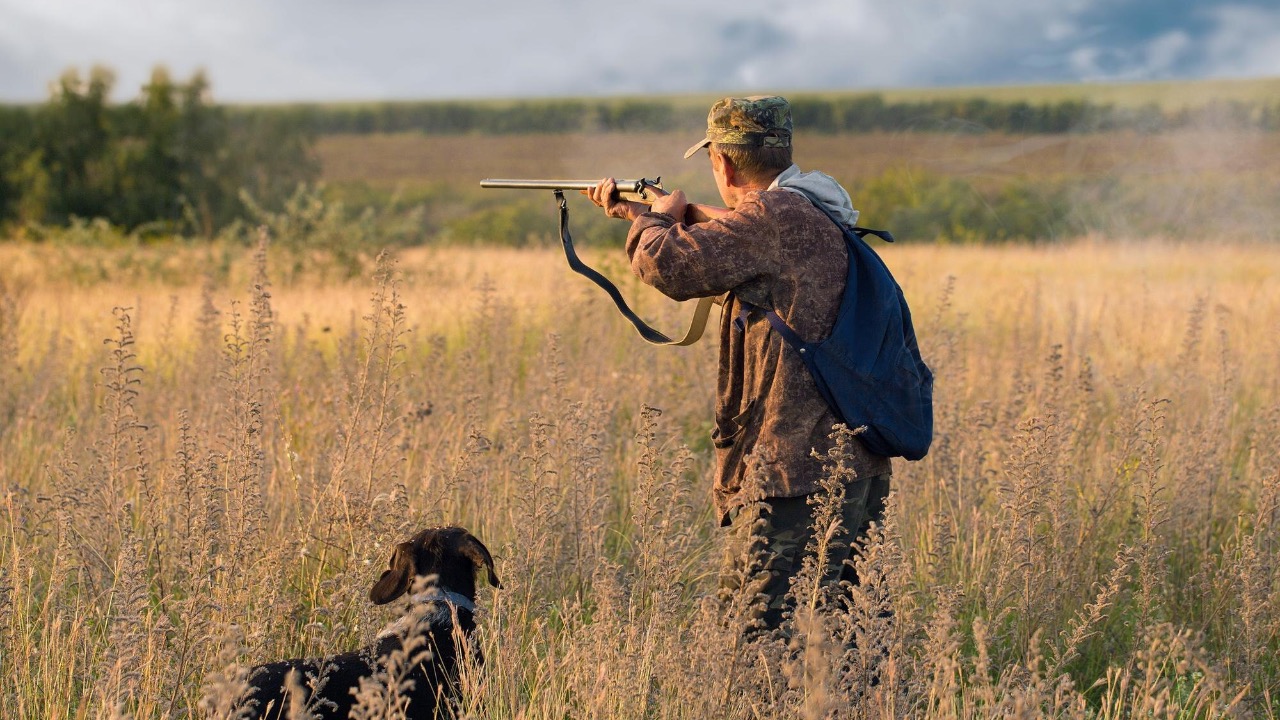
You probably check the wind before you climb, but the damage often happens before that. Walking in with the wind blowing your scent across bedding cover or a travel route will alert deer long before legal light.
Getting out can be worse. You finish a hunt, drop down, and push your scent through the same areas deer are staging in after dark. They don’t forget that. The fix is planning your route as carefully as your stand location. Use terrain, ditches, and low spots to keep your scent out of where deer live. If the wind isn’t right for both entry and exit, it’s not right at all.
Moving Too Much in the Stand
You feel hidden, especially in a tree or tucked into brush. Deer don’t see it that way. They pick up small, unnatural movement fast, even at distance.
Reaching for your phone, adjusting gear, or shifting your weight at the wrong moment is enough to get you picked off. Once a deer locks onto you, the hunt’s usually over. You don’t need to sit frozen, but you do need to move with purpose and timing. Wait for a deer’s head to go behind cover or for it to look away. Slow everything down. If you think you’re moving slow enough, slow it down again.
Letting Scent Control Slip After the First Sit
Early in the season, you’re careful. Clean clothes, controlled storage, attention to detail. Then time passes, and standards slip a bit. Deer notice.
Human odor builds over time—on your gear, your pack, your stand. It doesn’t take much for a mature buck to pick it up and change patterns. Staying consistent matters. Keep your system tight all season. Store clothes properly, handle gear with clean hands, and avoid contaminating your setup with fuel, food, or everyday smells. It’s not about being perfect—it’s about not getting sloppy.
Overhunting the Same Stand
You find a good spot, see deer once or twice, and keep going back. It’s a common mistake, and it burns out more stands than anything else.
Pressure stacks quickly. Deer start circling downwind, slipping through earlier, or avoiding the area altogether. Rotating stands and giving spots time to cool off makes a difference. Even a couple days of rest can reset things. If you’ve hunted a place and the woods feel off, trust that feeling. Back out and let it settle instead of forcing another sit.
Noisy Access Through Dry Leaves and Brush
You might be quiet once you’re set up, but getting there can sound like a freight train if you’re not careful. Dry leaves, snapped sticks, brushing against limbs—it all carries in the dark.
Deer hear that long before you realize it. In calm conditions, noise travels even farther. Taking a few minutes to clear a path before the season helps more than most hunters think. Walk slower than you want to, place each step, and avoid rushing. Rubber boots and soft soles help, but nothing replaces deliberate movement. If your entry sounds off, it probably is.
Setting Up Too Close to Bedding Areas
It’s tempting to push tight to where deer live. On paper, it makes sense—you’re closer to first light movement. In practice, it’s risky.
Bedding areas are high-alert zones. Deer expect danger there, and they react fast when something’s off. One wrong wind shift or a slight noise, and you’ve blown out the core of that area. Setting up on the edge or along a travel corridor gives you a buffer. You’ll see fewer deer at times, but you’ll educate far fewer. Over the long run, that keeps the spot huntable.
Poor Shot Timing That Blows the Whole Area
Not every shot opportunity is a good one. Taking a rushed or low-percentage shot can turn a calm situation into chaos.
A missed or poorly hit deer runs hard, often taking other deer with it. That kind of disturbance changes patterns quickly. Waiting for a clean, controlled shot keeps things contained. It also helps you recover your deer faster and with less impact on the area. Discipline here pays off more than any piece of gear you can carry.
Leaving Too Much Human Sign Behind
Flagging tape, reflective tacks, trimmed branches, and worn-in trails all add up. You might not think deer care, but they notice changes in their environment.
Heavy sign also draws other hunters, which increases pressure even more. Keeping a low profile matters. Use natural markers when you can. Keep trimming to a minimum and avoid turning your route into a highway. The less you alter a spot, the longer it stays productive. Deer live there every day—they know when something’s different.
Hunting the Wrong Conditions Out of Habit
You’ve got limited time, so you hunt when you can. That’s reality. But forcing sits in poor conditions—wrong wind, bad thermals, high pressure—does more harm than good.
Every bad sit leaves a trace. Over time, those traces stack up and push deer out or change how they move. Picking your hunts with more care, even if it means staying out, keeps your best spots intact. It’s hard to do, especially during short seasons, but restraint is part of the game if you want consistent results.
Most of these mistakes don’t feel big in the moment. That’s why they’re so common. Clean them up, and you’ll notice something change—the woods stay calmer, deer move more naturally, and your odds start to climb.

Asher was raised in the woods and on the water, and it shows. He’s logged more hours behind a rifle and under a heavy pack than most men twice his age.