Potentially Fatal Parasite Infecting Humans and Dogs, With Symptoms Often Delayed for Five Years or More
There’s a tapeworm called Echinococcus multilocularis that has been moving steadily through wildlife populations in North America. It lives in the intestines of foxes, coyotes, and occasionally dogs, releasing microscopic eggs in their feces. When those eggs reach people or pets through contaminated soil, food, or fur, they can trigger alveolar echinococcosis. This rare condition produces slow-growing masses that act like tumors, most often in the liver. The real challenge lies in its timeline. Infections frequently stay silent for five years, sometimes as long as fifteen, before any signs appear. That delay means many cases go unnoticed until the damage has already started. Awareness matters more than ever as the parasite expands into new regions.
How the parasite finds its way into people and dogs
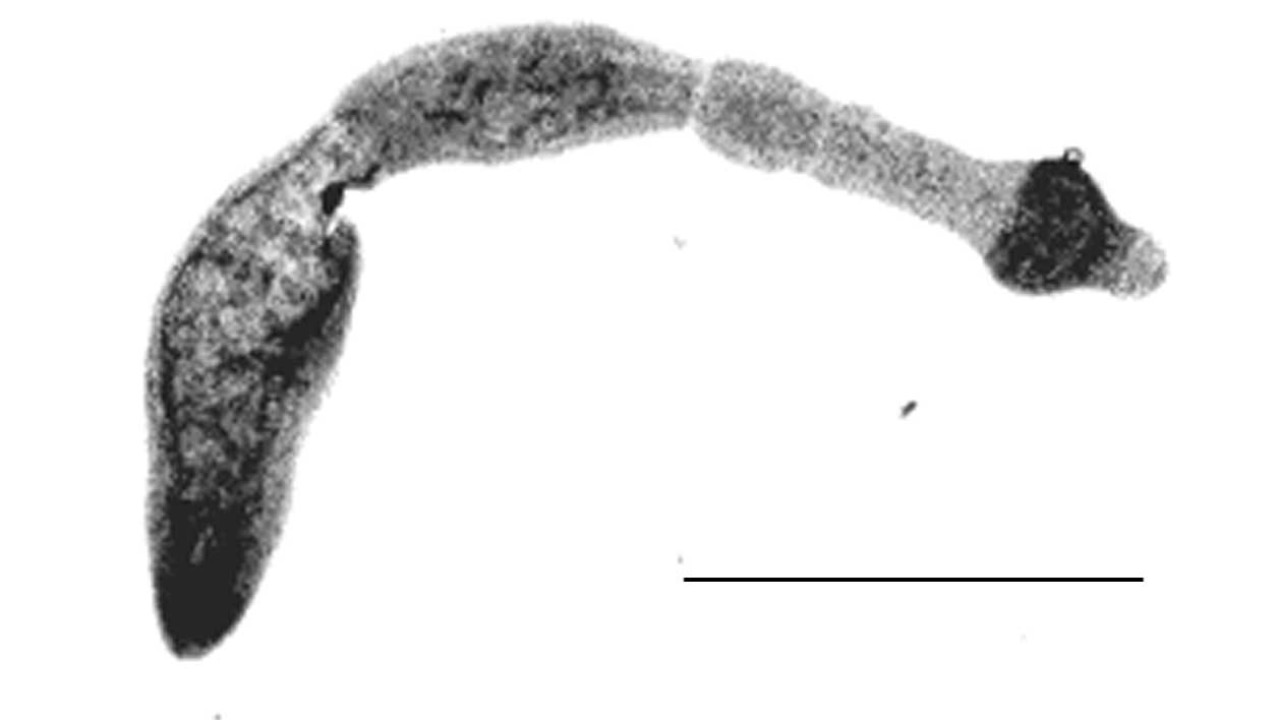
Eggs leave the body of an infected fox or coyote in its droppings and linger in soil or on vegetation. You might swallow them after handling unwashed wild greens or berries picked straight from the ground. Petting a dog that has rolled in contaminated material or whose paws tracked it inside can also transfer eggs to your hands. Dogs pick up the infection differently. They hunt rodents that have swallowed the eggs earlier, then the larvae develop inside the dog in a way that produces more eggs.
This cycle turns household pets and their owners into accidental participants. The parasite does not need you or your dog to survive, yet contact with the environment where wild canids roam creates the opening. Simple everyday habits, from gardening without gloves to letting dogs roam off leash near wooded areas, open the door wider than most realize.
The reason symptoms stay hidden for years
Larvae grow extremely slowly once they reach the liver or other organs. Early on they form tiny vesicles that spread outward like roots, but the body often mounts enough of a defense to keep things contained at first. Years pass with no pain, no fatigue, and no outward clue that anything is wrong. Only after the mass reaches a certain size do pressure on nearby tissue or reduced liver function finally produce noticeable effects.
That long incubation period explains why cases surface long after the original exposure. Someone who hiked in an affected area or let their dog chase rodents five or ten years earlier might never connect the dots. Regular checkups rarely catch it either, because routine blood work does not screen for this specific parasite unless symptoms already exist.
What the infection does inside the body
Once hatched, larvae travel through the bloodstream and settle primarily in the liver. There they create clusters of cysts that infiltrate surrounding tissue instead of staying neatly contained. Over time these masses crowd out healthy cells, interfere with blood flow, and mimic the behavior of aggressive liver cancer. In rarer instances the growth reaches the lungs, brain, or other organs.
The result feels like a chronic, progressive disease rather than a sudden illness. Fluid buildup, weight loss, and abdominal discomfort arrive late in the process. Without intervention the condition can become life-threatening because the parasite keeps expanding and the liver eventually loses its ability to function properly.
Why dogs face their own set of dangers
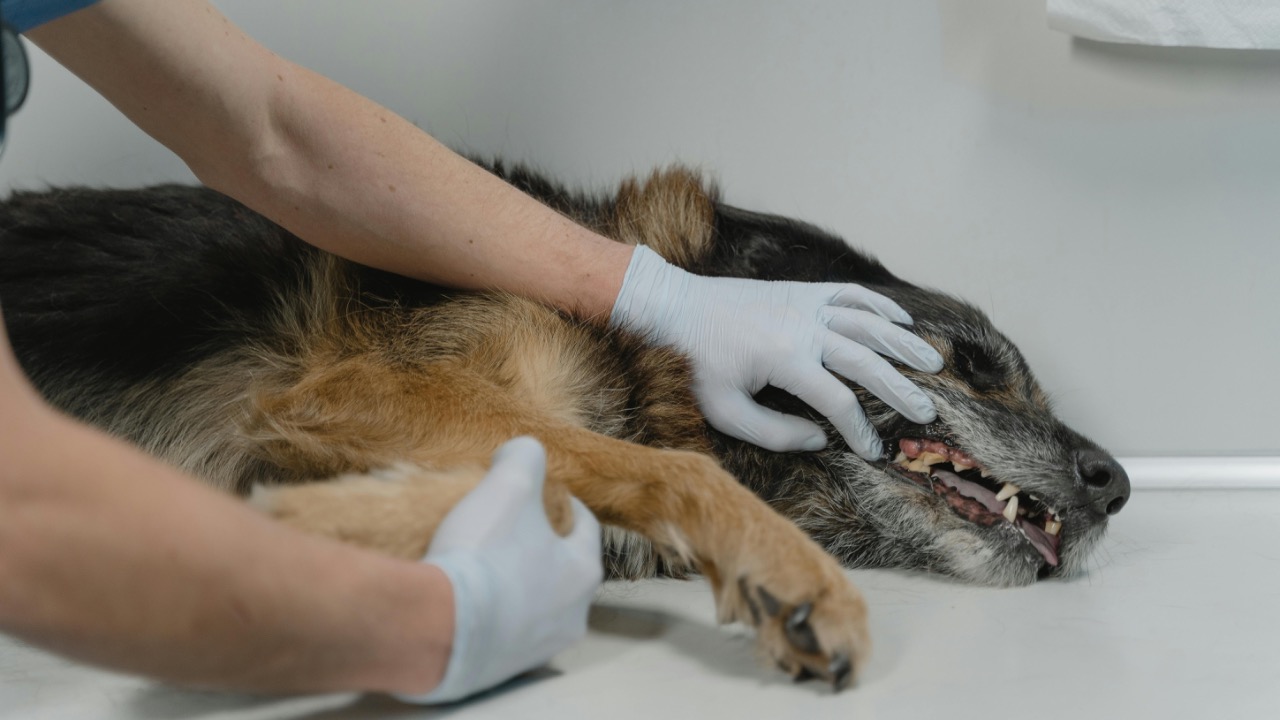
Dogs that eat infected rodents can develop the larval form of the parasite in their own bodies. The resulting masses press on the liver and cause abdominal swelling, vomiting, and loss of appetite. Some dogs show lethargy or sudden weight loss, while others develop jaundice as liver function declines. Unlike wild canids that carry the adult worms without harm, domestic dogs often suffer serious illness when they act as intermediate hosts.
Veterinarians see these cases more frequently in regions where coyotes thrive. The disease progresses faster in dogs than in people, so symptoms appear within months rather than years. Early detection through imaging and blood tests can make a difference, but many owners mistake the early signs for common digestive upset.
Signs that may eventually appear
When symptoms finally surface they often start as vague upper abdominal discomfort or a general sense of weakness. Unexplained weight loss follows, along with occasional nausea. Some people notice yellowing of the skin or eyes if the liver involvement grows severe. In dogs the first clues tend to be a visibly enlarged belly, repeated vomiting, or sudden disinterest in food.
These signals overlap with many other conditions, which is why diagnosis usually requires specific testing rather than guesswork. Blood tests that detect antibodies to the parasite combined with ultrasound or CT scans confirm the presence of the characteristic masses. The overlap with cancer-like symptoms can lead to initial misdiagnosis if doctors do not consider this possibility.
Where the parasite has turned up lately
The tapeworm was once concentrated in parts of Europe and Asia, but it has been advancing across the northern United States and Canada since around 2010. Recent surveys in the Pacific Northwest found it in roughly one-third of coyotes tested around Puget Sound. Similar patterns appear in the Midwest and southern Canada, with isolated dog cases reported in multiple states.
Human infections remain uncommon nationwide, yet the rising presence in wildlife increases the odds for anyone who shares that landscape. The spread follows the movement of wild canids and the rodents they hunt, making suburban and rural areas near open land especially relevant for monitoring.
Practical ways to cut your exposure risk
Keep dogs on leash or in fenced yards where they cannot chase rodents. Avoid letting them roam freely in areas known to have high coyote or fox activity. After any outdoor time, wash your hands thoroughly with soap before eating or touching your face. Skip collecting wild berries or greens unless you wash them carefully or cook them first.
Gloves become essential when gardening or handling soil in regions where the parasite circulates. Regular deworming discussions with your veterinarian can add another layer of protection for dogs that spend time outdoors. These steps do not require drastic lifestyle changes, yet they shrink the chances of accidental ingestion dramatically.
Getting a diagnosis and finding treatment
Blood tests looking for specific antibodies provide the first reliable clue. Imaging then reveals the distinctive pattern of cysts that spread through the liver. Once confirmed, treatment usually combines surgery to remove as much of the mass as possible with long-term medication to stop further growth. In some situations doctors opt for ongoing monitoring instead of immediate surgery if the lesions remain small and stable.
Early action improves outcomes significantly. Continuous follow-up over many years remains standard because recurrence can happen even after successful initial treatment. The combination of approaches has turned what was once almost always fatal into a manageable condition for many patients who catch it in time.
Helping your dog avoid trouble
Talk with your veterinarian about preventive deworming if you live near wildlife corridors. Keep your dog from hunting or scavenging, and discourage any contact with rodent carcasses. Routine fecal exams during annual visits can spot adult worms before they cause problems in the household. If your dog shows any abdominal swelling or persistent vomiting, seek care promptly rather than waiting it out.
These habits protect more than just your pet. A dog free of the parasite also stops shedding eggs that could reach you or your family. Simple routines like prompt cleanup after walks and limiting off-leash time in high-risk zones make a measurable difference without limiting the joy of having a dog.

Asher was raised in the woods and on the water, and it shows. He’s logged more hours behind a rifle and under a heavy pack than most men twice his age.