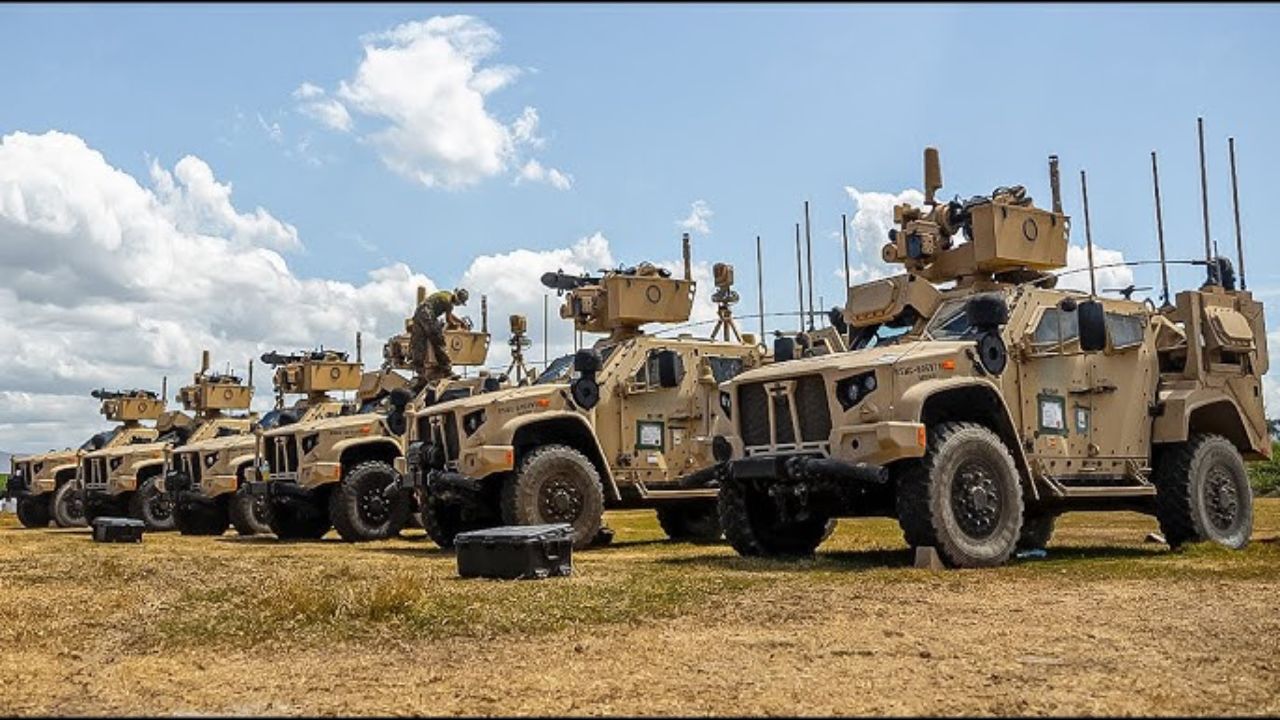
Marines Field New MADIS Anti-Drone System Built From Commercial Parts in Record Time
The U.S. Marine Corps has begun fielding a new counter-drone system known as MADIS, short for Marine Air Defense Integrated System. What stands out isn’t just what it does, but how quickly it was put together using mostly commercially available parts. Instead of waiting years for a traditional defense program, this system moved from concept to deployment in a much shorter window.
That speed reflects a shift in how the military is approaching modern threats, especially drones. Small, inexpensive unmanned aircraft have become a major concern on today’s battlefields, forcing faster and more flexible solutions. MADIS is designed to detect, track, and disrupt those threats before they can do damage.
Built for Speed and Adaptability

One of the key differences with MADIS is how it was built. Rather than relying entirely on custom-designed military hardware, the system pulls together existing technologies and integrates them into a working platform. That approach cuts down development time and allows for quicker updates when new threats appear.
Using commercial components also makes it easier to scale and modify the system. If a new type of drone starts showing up, adjustments can be made without redesigning everything from scratch. That kind of flexibility is becoming more important as drone technology continues to evolve at a fast pace.
Responding to a Changing Threat
Drones have changed how conflicts play out, especially in recent years where smaller systems have been used for surveillance and targeted strikes. They’re relatively cheap, easy to deploy, and hard to detect without the right tools in place. That puts pressure on forces to respond just as quickly.
MADIS is built with that reality in mind. It combines sensors and electronic warfare tools to identify incoming drones and interfere with their signals. Instead of relying on one method, it layers multiple capabilities to improve the chances of stopping a threat before it reaches its target.
What It Means for Future Defense Systems
The rollout of MADIS points to a broader shift in military strategy. There’s less focus on slow, expensive development cycles and more emphasis on getting workable systems into the field quickly, then improving them over time. That mindset is closer to how tech companies operate than how defense programs traditionally run.
If MADIS proves effective, it could influence how future systems are built across the military. Faster timelines, modular design, and heavy use of existing technology may become more common, especially as threats continue to change faster than traditional programs can keep up.

Leo’s been tracking game and tuning gear since he could stand upright. He’s sharp, driven, and knows how to keep things running when conditions turn.