New study shows predator populations expanding closer to suburbs
Predators that once kept their distance from people are now increasingly sharing space with cul-de-sacs, schoolyards, and dog parks. A new wave of research finds that mid-sized carnivores are not just surviving near suburbs, they are expanding and adjusting their behavior in ways that pull them closer to human homes. For communities at the edge of wild habitat, the question is shifting from whether these animals will arrive to how people will live alongside them.
The rise of the “ghost predator” next door
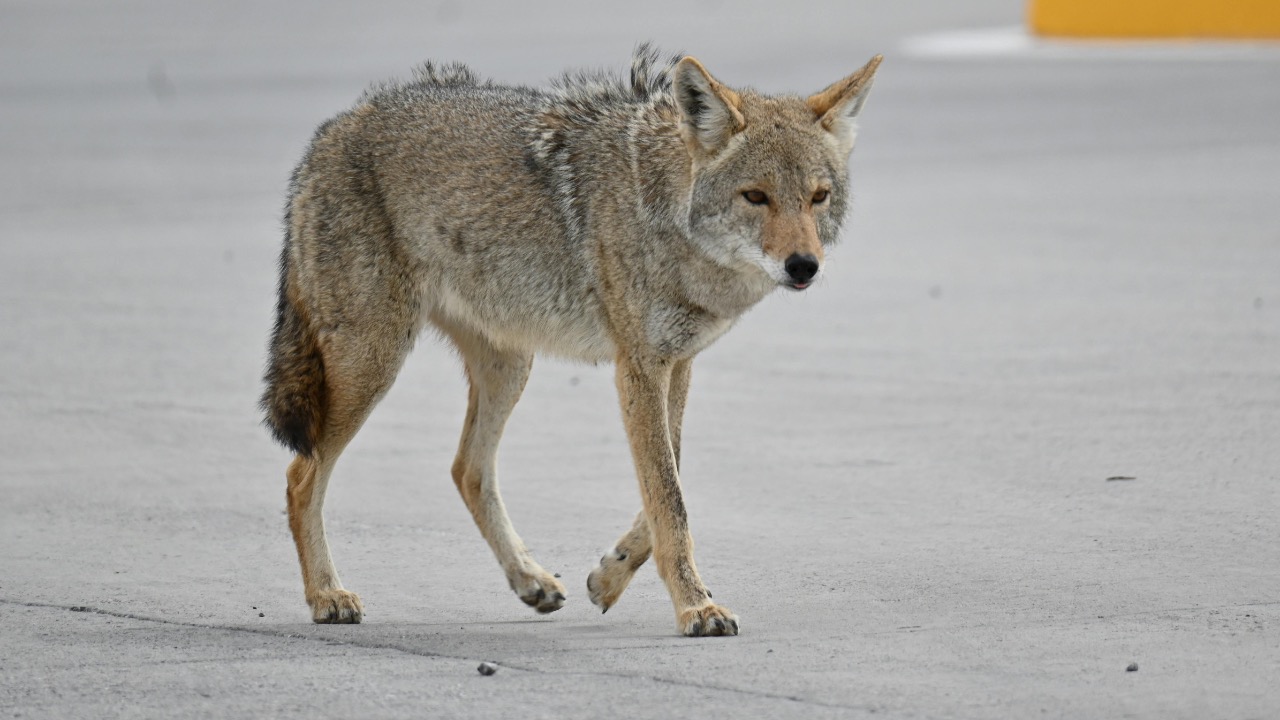
Among all the species pushing into suburbia, coyotes have become the defining figure. Once associated with open rangeland, coyotes are now established in cities and suburbs across North America and are increasingly seen trotting along sidewalks or slipping between backyard fences. Their stealthy movement through neighborhoods has earned them the nickname “Ghost Predator” among experts who track their spread into suburban backyards.
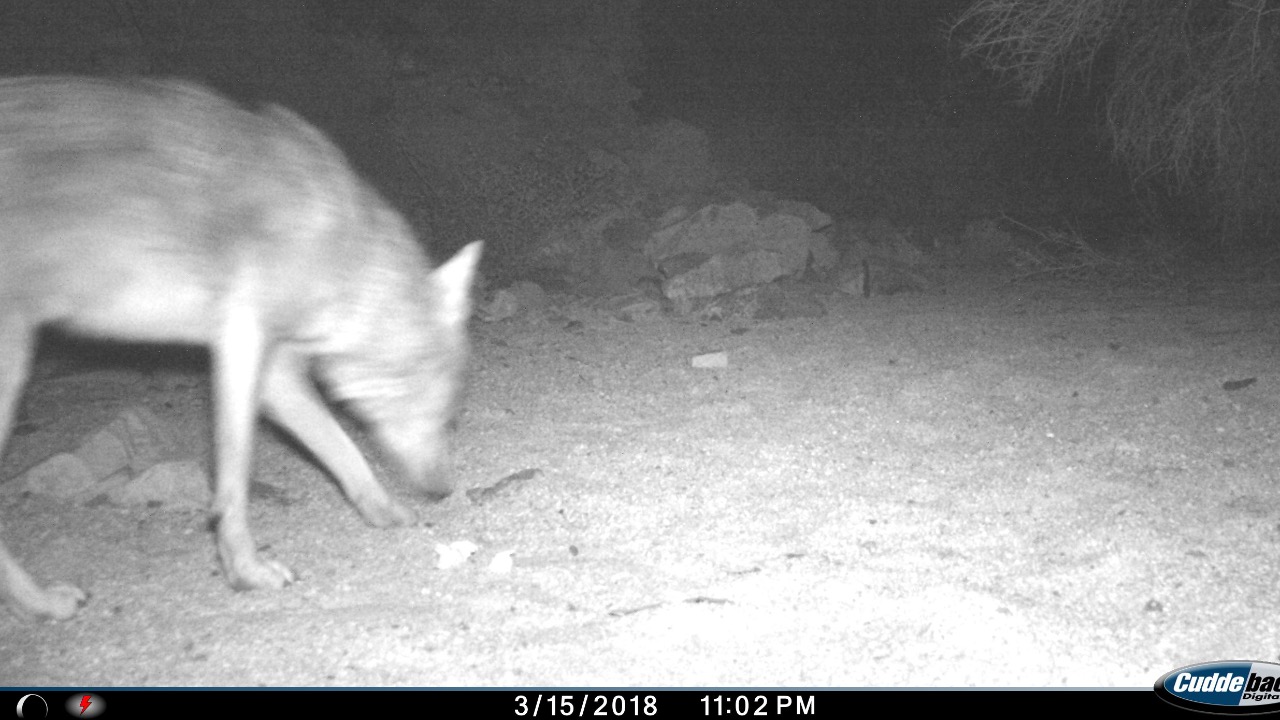
Recent coverage of this “Ghost Predator” trend describes how coyotes are quietly entering suburban yards, using greenbelts, drainage corridors, and even golf courses as travel routes. Those reports say coyotes are “rewriting the suburban playbook,” adapting to artificial light, traffic, and human noise while still avoiding direct contact with people. In many communities, residents now hear their howls at night even when they rarely see the animals in daylight.
The expansion is not limited to one region. Analysis of eastern coyote distribution has been described as one of the most dramatic wildlife shifts in modern North American history, and similar patterns are emerging in the West. The predators are filling ecological gaps in landscapes that blend housing, small farms, and remnant patches of wild vegetation.
Science behind the suburban expansion
Researchers are now quantifying how and why these predators are moving closer to people. One study of an expanding generalist predator, described in a paper on space use, found that habitat choices are shaped by food availability, season, human land use, and access to coastlines. The work shows that predators weigh energetic rewards against risks from humans and larger carnivores, then adjust their movements accordingly.
Tracking data from another project found that coyotes and bobcats, both mid-sized predators, were roughly twice as likely to spend time near ranches and human activity when larger carnivores such as wolves were present in the wider landscape. In that study, researchers reported that tracking collars showed coyotes and bobcats were twice as likely to be near ranches as wolves were, suggesting that mid-level predators are pushed toward people when they try to avoid larger threats.
These findings match a broader pattern in which generalist predators exploit fragmented landscapes. Where forests, fields, and developments meet, there are edges rich in rodents, rabbits, and refuse. For a mobile omnivore, that edge habitat can be more profitable than deep wilderness, especially when larger predators are rare or when human infrastructure offers cover and food.
New evidence that coyotes thrive under pressure
Fresh research is challenging long-held assumptions about how human pressure affects coyote numbers. A team led by The UNH used long-term data to examine how hunting and other pressures interact with coyote reproduction and movement. According to the project description, the UNH research team found that human hunting did not reduce coyote populations but instead led to an increase in coyote numbers due to changes in reproduction and immigration rates. The same work reports that researchers used data in a habitat dependent manner to see what factors influenced population size.
The findings, summarized in a detailed release on research finds coyotes, describe coyotes as North America’s most successful predators and highlight how environmental pressures can actually trigger higher reproduction or attract immigrants from surrounding areas. A related summary explains that the research sheds light on how coyotes respond to various environmental pressures and that some forms of human control may paradoxically increase the number of coyotes.
These insights help explain why suburban communities that rely on lethal control can see sightings rebound within a few breeding seasons. When adults are removed, surviving coyotes may have larger litters, and open territories can draw in newcomers from neighboring rural areas. The population can then stabilize at or above its previous level, even as residents assume control efforts are working.
Food, trash and the suburban buffet
Predators do not move into neighborhoods without a reason. Across Southern California, wildlife managers have reported a jump in coyote sightings linked to easy meals. One regional coyote management plan notes that rodents such as mice, rats, and gophers make up the majority of a coyote’s diet, which means they act as a natural control on pests. At the same time, the plan warns that unsecured trash, outdoor pet food, and fallen fruit can draw coyotes closer to homes, a pattern highlighted in a recent coyote alert for Southern California neighborhoods.
In colder months, compost piles, bird feeders, and small livestock become especially attractive. When those food sources are clustered along the urban edge, predators can build home ranges that overlap heavily with human space. Studies of predator space use indicate that animals routinely adjust their territories to track food densities linked to seasonality and human land use, which further encourages their presence near suburbs.
Residents often misinterpret these visits as a sign that coyotes are starving or “losing fear,” when the reality is more basic. The animals are following their prey and human-generated food, and they are learning which streets, culverts, and drainage channels allow them to move with the least disturbance.
Beyond coyotes: bobcats, big cats and other neighbors
Coyotes may dominate headlines, but they are not the only predators edging closer to suburbs. The same tracking work that examined coyotes also followed bobcats and found that these mid-sized cats used ranches and human-adjacent areas more often than larger carnivores did. Searches for bobcats show that they, like coyotes, are capable of living in fragmented forests and brushy lots that border housing tracts.
In some regions, mountain lions and other big cats are also creeping closer to developed areas. Information compiled under searches for big cats and mountain lions points to an expanding interface where large predators occasionally cross highways, use greenbelts, and sometimes appear near backyards. These species are far less adaptable than coyotes and usually remain tied to larger habitat blocks, yet their presence at the edges of suburbs raises questions about connectivity, road safety, and rare but high-profile encounters.
In many metropolitan regions, the result is a layered predator community. Wolves or mountain lions may hold core wild areas, coyotes and bobcats may dominate the fringe, and foxes, raccoons, and skunks may concentrate in the most urbanized zones. Each layer interacts with people in different ways, which complicates any one-size-fits-all policy.
Why control efforts alone do not push predators back
Livestock owners and suburban residents often respond to rising predator activity by calling for aggressive removal. Yet research on the eastern coyote expansion across North America suggests that these predators are remarkably resilient. One analysis described the eastern coyote expansion as one of the most dramatic wildlife distribution shifts in modern North American history and urged livestock owners to rethink guardian strategies as predator activity rises.
Additional work on how North America’s most successful predators respond to pressure reinforces the idea that lethal control can sometimes backfire. When local populations are cut down, remaining coyotes may breed earlier, have larger litters, or attract immigrants from neighboring territories. The UNH team’s findings that human hunting did not reduce coyote numbers but instead increased them through reproduction and immigration fit this pattern.
These dynamics help explain why some communities report more sightings after organized culls. The predators are not simply returning; they are reorganizing in ways that can temporarily increase contact with people as young animals disperse and search for new territories.

Asher was raised in the woods and on the water, and it shows. He’s logged more hours behind a rifle and under a heavy pack than most men twice his age.