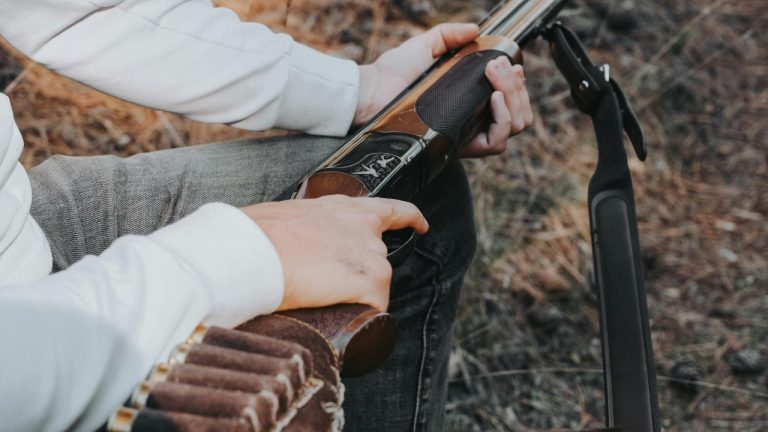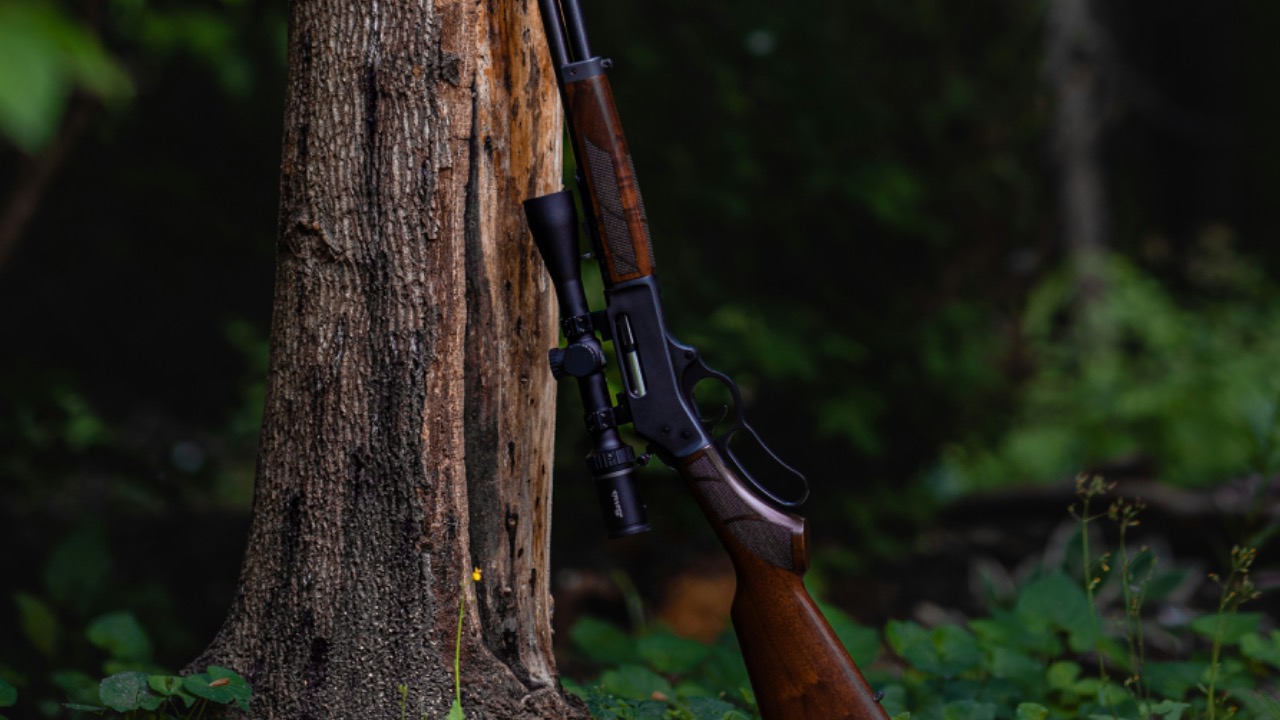
Hunter says someone leaned a loaded firearm against unstable ground and it nearly tipped over
A hunter described a tense moment after someone in his group leaned a loaded firearm against uneven ground, leaving it close to tipping. The incident didn’t result in a discharge, but it was enough to raise concern about how quickly small lapses in judgment can create real risk in the field.
Situations like this stand out because they don’t look dramatic at first. It’s just a gun set down for a second. But when the surface isn’t stable, that decision can turn into a near miss. In hunting environments, where terrain is rarely flat or predictable, even a quick shortcut in handling can carry consequences.
Why stability matters more than people think
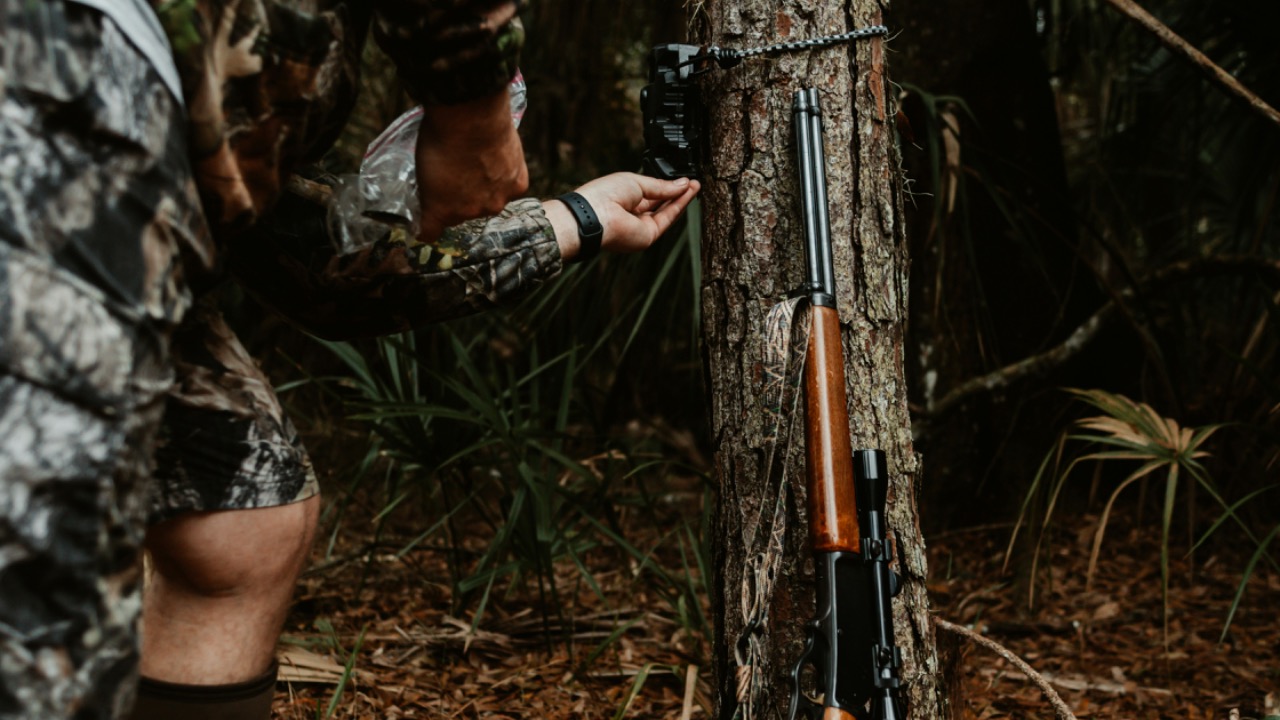
Firearms are often set down during breaks, while dressing game, or when adjusting gear. The problem comes when they’re placed in a position where they can shift, slide, or fall. Uneven dirt, loose gravel, or soft ground can make something seem steady when it isn’t.
A falling firearm creates uncertainty. Even if modern firearms have safety features, relying on them isn’t the point. The goal is to remove risk entirely, not manage it after something goes wrong. That’s why stable placement — or keeping control of the firearm — is a basic expectation in hunting groups.
How small mistakes build into bigger risks
Incidents like this usually don’t happen in isolation. They tend to be part of a pattern of rushed decisions or relaxed attention to detail. When people get comfortable, especially during long outings, it’s easier to overlook things that would normally be obvious.
The danger is that these “almost” moments stack up. One unstable placement, one careless handoff, one skipped safety check — none of them cause a problem on their own until one finally does. That’s why experienced hunters often treat near misses seriously, even when nothing actually happens.
Group responsibility and calling it out
When something like this happens, it often puts others in an awkward position. Calling it out can feel confrontational, especially if the person involved didn’t see it as a big deal. But staying quiet can send the message that the behavior is acceptable.
Most hunting groups that last over time have a shared understanding that safety comes first, even if it means correcting each other. Moments like this tend to stick with people, not because of what happened, but because of what could have happened if things went slightly differently.

Leo’s been tracking game and tuning gear since he could stand upright. He’s sharp, driven, and knows how to keep things running when conditions turn.