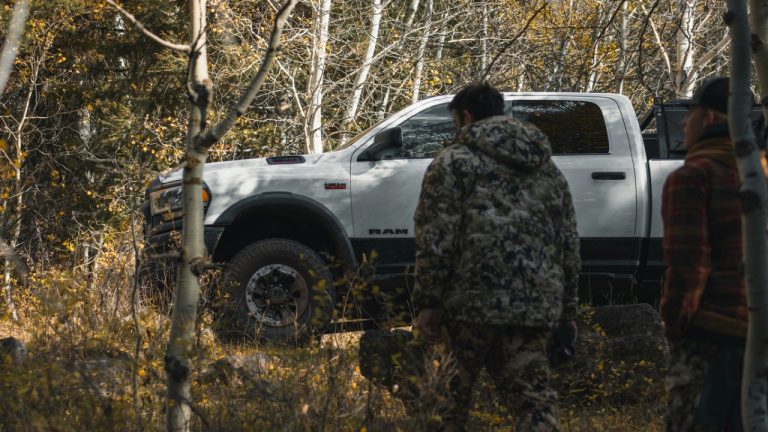
Hunter says partner kept chambering rounds too early and making him uneasy
A hunter has raised concerns about a partner who repeatedly chambered rounds earlier than expected during outings, creating tension in the field. While it might seem like a small timing issue, moments like this matter a lot when people are moving through terrain, tracking animals, or coordinating positions.
According to the account, the issue wasn’t a one-time misunderstanding but something that kept happening even after it was brought up. That kind of repetition can shift a hunt from focused and controlled to uneasy, especially when one person feels the agreed safety expectations aren’t being followed.
Why timing matters in firearm handling

Chambering a round is a key step that changes the status of a firearm, and most hunting groups have clear expectations about when that should happen. Many hunters prefer to keep firearms unloaded or with an empty chamber until they are in position and ready to take a shot.
Doing it too early can increase the chance of mistakes, especially when people are walking, climbing, or adjusting gear. Even if nothing goes wrong, it adds a level of risk that others in the group may not be comfortable with, particularly in close quarters or low-visibility conditions.
How repeated behavior creates tension
In hunting environments, communication is everything. When one person expresses discomfort and the behavior continues, it stops being just a difference in style and starts to feel like a lack of respect for group safety.
That tension can affect decision-making, spacing between hunters, and overall awareness in the field. Instead of focusing fully on the hunt, people may start paying more attention to each other’s actions, which isn’t where attention should be during an active outing.
Trust and shared expectations in the field
Hunting partners rely on each other to follow the same basic rules, even if they come from different backgrounds or levels of experience. Before a hunt, many groups talk through when firearms should be loaded, how movement will work, and what to expect during different phases of the hunt.
When those expectations aren’t followed, it can quickly break down trust. In situations like this, some hunters choose to stop the outing altogether or avoid hunting with that person again. It’s not about overreacting — it’s about making sure everyone feels safe enough to stay focused and make clear decisions.
A reminder of how small actions add up
On their own, actions like chambering a round early might not seem serious, especially if no immediate danger follows. But in the context of firearms, small decisions stack up quickly and can lead to bigger risks if habits aren’t consistent.
That’s why experienced hunters often treat these situations as warning signs rather than isolated moments. Addressing them early, clearly, and directly is usually the best way to prevent misunderstandings from turning into something more serious later on.

Leo’s been tracking game and tuning gear since he could stand upright. He’s sharp, driven, and knows how to keep things running when conditions turn.