15 Facts About the Remington 870 That Most People Do Not Know
The Remington 870 is one of those firearms almost everyone has heard of, even if they’ve never used one. It’s been around for decades and has built a reputation for being simple, reliable, and widely available. Because it’s so common, a lot of people assume there’s nothing new to learn about it.
But that’s not really true. Once you look a little closer, there are plenty of details about its history, design, and long-term use that most people don’t know. Some of these facts explain why it became so popular, while others show how it managed to stay relevant for so long without major changes.
It’s one of the longest-running shotgun designs still in production

The Remington 870 has been around since 1950, which is a long run for any firearm design. Over the decades, it hasn’t disappeared or been replaced — it’s just been updated and kept in circulation.
That kind of lifespan says a lot. Designs that last that long usually do so because they’re simple, reliable, and easy to maintain, and the 870 checks all three boxes without trying to do too much.
It was designed to be cheaper to produce than its predecessor
The 870 replaced the older Model 31, which worked well but was more expensive to manufacture. Engineers focused on simplifying parts and production without sacrificing performance.
That decision ended up being huge for its success. Lower production costs meant it could be sold at a price more people could afford, which helped it spread quickly across different types of users.
More than 11 million have been produced
One of the biggest reasons the 870 stands out is how many have been made. Production numbers have passed 11 million units, making it one of the most widely produced shotguns ever.
That level of distribution means it’s been used in a wide range of environments, from hunting fields to training ranges, which has helped build its reputation over time.
It’s used by both civilians and law enforcement
The 870 isn’t limited to one type of user. It’s been used by hunters, sport shooters, and also law enforcement agencies for decades.
That overlap matters because it shows the platform can be adapted to very different needs without major changes to the core design.
The receiver is made from a solid block of steel
Unlike some shotguns that use lighter materials, the 870 uses a steel receiver. That adds weight, but it also contributes to durability and longevity.
For many users, that trade-off is worth it. A heavier build can handle long-term use better, especially under rough conditions.
It has a very simple internal design
One of the reasons the 870 is known for reliability is its internal simplicity. Fewer moving parts generally mean fewer things that can go wrong.
That also makes maintenance easier. Even people with limited experience can learn how to keep it running without needing specialized tools.
The pump action design is part of its reliability
Pump-action shotguns like the 870 rely on manual cycling instead of gas or recoil systems. That makes them less sensitive to different types of ammunition.
Because of that, the 870 can handle a wide range of loads more consistently than some semi-automatic designs.
There are dozens of variations
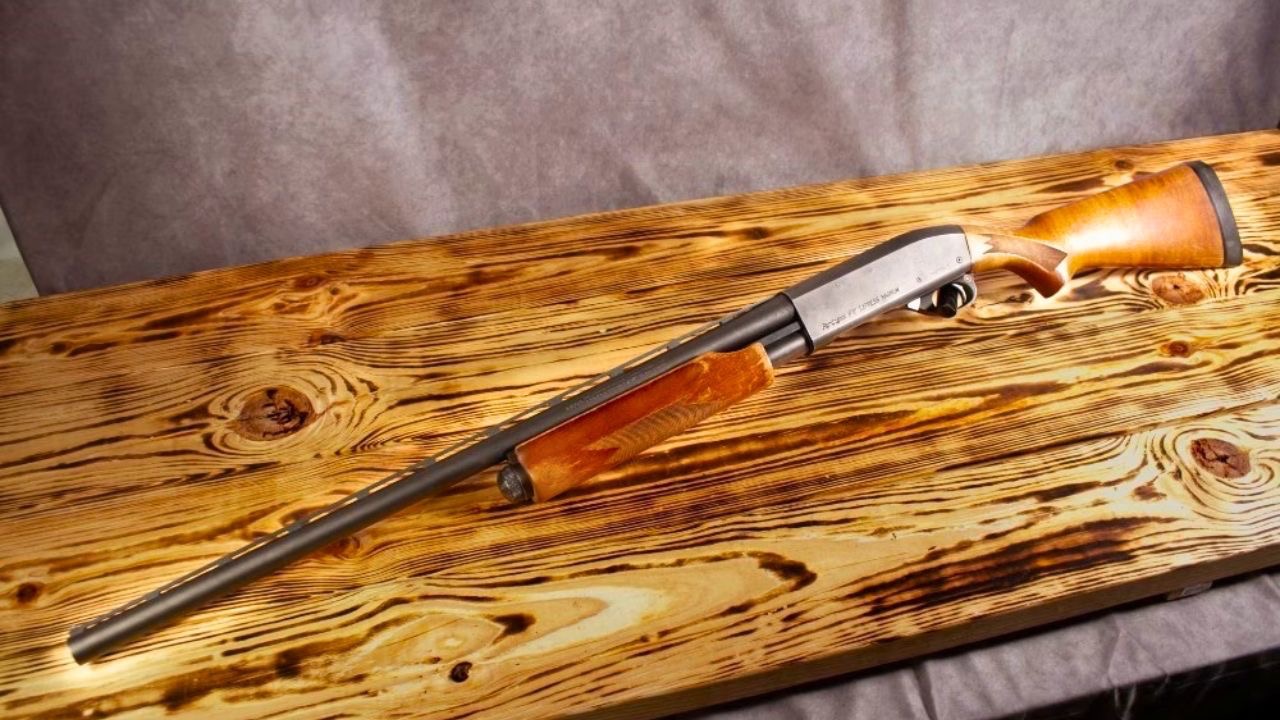
Over the years, the 870 has been released in many different configurations. Barrel lengths, finishes, and stock types have all been adjusted to fit different uses.
This flexibility has helped keep it relevant. Instead of one fixed model, it’s more like a platform that can be adapted.
It became popular partly because of timing
The 870 came out at a time when demand for affordable, reliable firearms was growing in the U.S. That helped it gain traction quickly.
Once it built momentum, it stayed in circulation through word of mouth and long-term use rather than needing constant redesigns.
Early models had a reputation for smoother action
Some long-time users say older 870 models had smoother pump action compared to later production runs. This is often tied to manufacturing differences over time.
While newer versions still function well, this detail comes up often in discussions among experienced owners.
It’s known for being easy to customize
Because of how widely it’s been used, there’s a large aftermarket for parts and accessories. Stocks, barrels, and other components can be swapped out fairly easily.
That makes it appealing to people who want to adjust their setup over time instead of sticking with a fixed configuration.
The design hasn’t changed much — on purpose
Even after decades, the core design of the 870 hasn’t been heavily altered. Most changes have been small updates rather than full redesigns.
That consistency is part of what makes it dependable. When a design works, changing it too much can introduce new problems.
It’s often recommended as a first shotgun
Many experienced users recommend the 870 to beginners because of its simplicity and reliability.
It doesn’t rely on complex systems, which makes it easier to understand and operate compared to more advanced designs.
It has been produced in multiple countries
While it’s strongly associated with U.S. manufacturing, versions of the 870 have been produced or assembled in other countries over time.
This has helped expand its reach and availability beyond its original market.
It built its reputation through long-term use, not hype
The 870 didn’t become popular because of marketing trends. Its reputation mostly comes from decades of consistent performance across different environments.
That kind of reputation tends to stick. When a product proves itself over time, people keep recommending it without needing much promotion.

Leo’s been tracking game and tuning gear since he could stand upright. He’s sharp, driven, and knows how to keep things running when conditions turn.