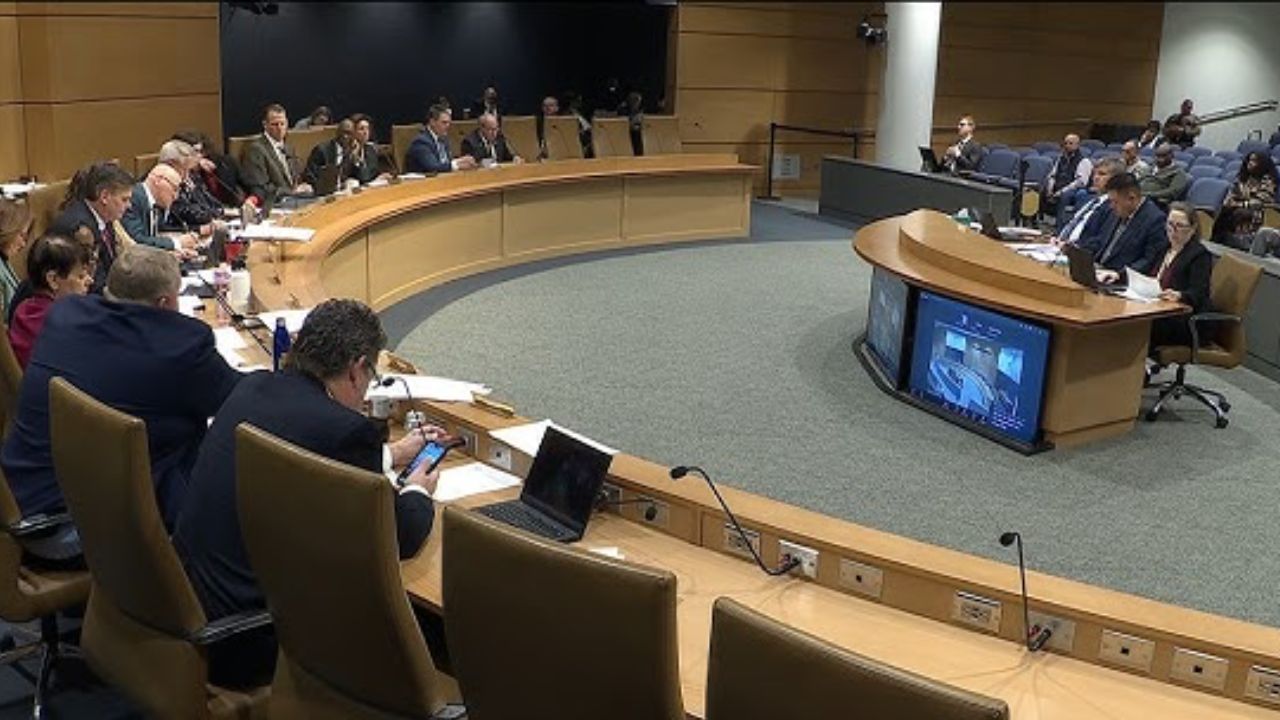
Minnesota Senate Approves Controversial Measure to Ban Mining Near Boundary Waters
The Minnesota Senate has approved a controversial measure aimed at restricting mining activity near the Boundary Waters Canoe Area Wilderness, a move that has quickly sparked political and environmental debate. The proposal focuses on limiting or blocking mining projects in the watershed area that feeds into one of the most visited wilderness regions in the United States.
Supporters of the measure argue it is necessary to protect water quality, wildlife, and the long-term health of the region. Opponents, however, say the restrictions could block access to valuable mineral resources and limit economic development in northern Minnesota. The decision adds another layer to an already long-running fight over land use in the area.
What the measure actually does
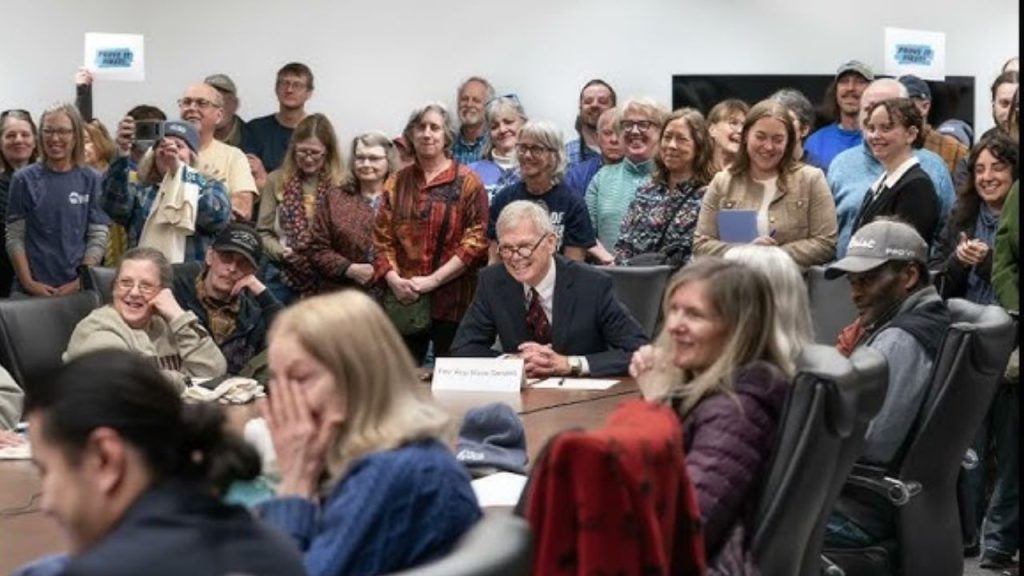
The legislation targets mining activity in the watershed surrounding the Boundary Waters, an area that has been the center of repeated disputes over copper and nickel extraction proposals. The concern is that sulfide-ore mining in this region could lead to pollution risks if waste materials leak into connected waterways.
This issue is not new. The region has faced years of back-and-forth policy changes, including federal actions that previously limited mining development near protected lands. The Senate’s move is part of a broader effort to re-establish stronger protections after earlier restrictions were rolled back or challenged.
Environmental concerns driving support
Environmental groups and supporters of the measure point to the Boundary Waters as a fragile ecosystem with limited capacity to recover from contamination. The area includes interconnected lakes, rivers, and forests that rely on clean water systems, making it especially sensitive to industrial activity nearby.
They argue that even modern mining practices carry risks, particularly in regions where water flows directly toward protected wilderness. This concern has been central to opposition against proposed mining projects for years, with advocates saying prevention is more effective than trying to manage pollution after it occurs.
Economic and industry pushback
Mining supporters and industry-backed groups have pushed back strongly against restrictions, saying the region holds important mineral resources needed for manufacturing and clean energy technology. Copper and nickel, in particular, are considered critical materials for batteries, electronics, and infrastructure development.
They also argue that modern mining techniques can reduce environmental impact and that regulatory oversight should be enough to manage risk without banning projects outright. From their perspective, the restrictions could limit job creation and reduce investment in northern Minnesota communities that depend on resource development.
A long-running political conflict
The Boundary Waters mining debate has been active for years and continues to divide lawmakers, environmental groups, and industry representatives. Previous federal decisions placed limits on mining near the area, but those rules have faced political challenges and reversals depending on shifting leadership.
Recent congressional actions have reopened the dispute, with votes narrowly split along party lines. The issue has become a symbol of a larger national conflict between environmental protection efforts and the push for expanded domestic resource extraction.
What happens next
Even with Senate approval, the future of the measure is not fully settled. Similar legislation often faces additional steps, including potential votes in other chambers, executive review, and legal challenges from affected stakeholders. Environmental groups have already signaled that they may pursue court action if the measure advances further.
For now, the decision adds momentum to the ongoing debate over how much protection should be given to wilderness areas versus allowing industrial development nearby. The Boundary Waters remains at the center of that conflict, with both sides preparing for the next stage of a dispute that is far from over.

Leo’s been tracking game and tuning gear since he could stand upright. He’s sharp, driven, and knows how to keep things running when conditions turn.