When Small Gun Upgrades Create Big Reliability Problems
You don’t have to hang a bunch of parts off a gun to get yourself in trouble. A single swapped spring, connector, or magazine component can change timing, pressure, and cycling in ways you don’t see until the gun chokes. Most factory firearms are balanced systems. Engineers tune recoil springs, slide mass, gas ports, and magazines to work together across a range of ammo.
When you start tweaking one part at a time, you can upset that balance fast. I’ve seen reliable rifles and pistols turn into constant troubleshooting projects over what looked like harmless upgrades. Here are the small changes that most often create outsized reliability problems.
Extra-Power Recoil Springs in Pistols

It’s common to drop a heavier recoil spring into a semi-auto pistol to “soften” recoil or prepare for hotter loads. On paper, that sounds reasonable. In practice, you can create short-stroking and failures to eject, especially with standard-pressure ammunition.
When you increase spring weight, the slide has to work harder to travel fully rearward. If the ammo doesn’t generate enough energy, the slide won’t cycle completely. You end up with stovepipes, weak ejection, or failures to lock back. The factory spring was chosen to run across a broad range of loads. Change it without a specific need, and you may trade a little perceived recoil for a lot of aggravation.
Reduced-Power Hammer or Striker Springs
Lightening a trigger by swapping to a reduced-power hammer or striker spring is a popular shortcut. It can improve pull weight, but it often brings light primer strikes with it.
Hard primers—especially in some defensive or foreign-made ammo—require a firm hit. When you reduce spring tension, you reduce ignition reliability. At the range, that means occasional click-with-no-bang moments. In a hunting or defensive gun, it’s unacceptable. A cleaner trigger is nice, but not if you’ve compromised the gun’s ability to fire every time you press it. Reliability should always outweigh a slightly lighter pull.
Aftermarket Magazines with Different Feed Lip Geometry
Not all magazines are created equal. Swapping to cheaper or extended aftermarket mags can introduce feeding issues, even if they look identical to factory versions.
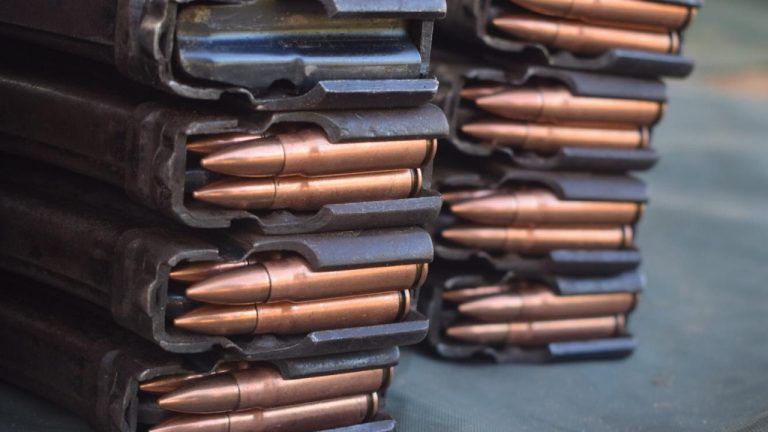
Feed lip geometry controls how the cartridge presents to the chamber. A small difference in angle or tension changes how the round strips and feeds. You may see nose-dives, double feeds, or inconsistent last-round lockback. I’ve watched shooters blame the gun when the real culprit was the magazine. Factory mags are expensive for a reason. If you deviate, you need to test hard before trusting them.
Adjustable Gas Blocks on AR-Style Rifles
An adjustable gas block can tune recoil impulse and reduce wear. It can also turn a dependable AR into a single-shot if you misjudge the setting.
Gas-operated rifles rely on proper pressure to cycle. Close the gas down too far and you’ll get failures to eject or pick up the next round. Open it too much and you increase wear and recoil. The margin for error gets smaller when you run different ammo or shoot in varying temperatures. Adjustable systems are useful, but they demand careful setup and periodic checks to stay reliable.
Lightened Bolt Carrier Groups
Shaving weight off a bolt carrier group is another way shooters try to reduce recoil or speed up cycling in competition rifles. Done wrong, it can create timing problems that are hard to diagnose.
A lighter carrier moves faster. That changes how the rifle unlocks and extracts under pressure. With standard gas settings, you can get harsh cycling, increased wear, and inconsistent feeding. If the system isn’t tuned correctly with the right buffer and spring, reliability suffers. Factory carrier weight exists to balance dwell time and extraction. Alter that balance without a full system approach, and problems show up quickly.
Extended Slide Releases and Oversized Controls
Bigger controls seem like an obvious improvement, especially on defensive pistols. Extended slide releases and oversized safeties can, however, create unintended issues.
Added surface area increases the chance of accidental engagement. I’ve seen shooters ride an extended slide stop with their thumb, preventing lockback on the last round. Oversized safeties can be bumped off—or on—without the shooter realizing it. In a clean range environment, that’s an annoyance. Under stress, it’s a serious liability. Controls need to be accessible, but they also need to stay out of your way.
Drop-In Trigger Units in Rifles
Drop-in triggers promise quick improvements in feel and pull weight. Many work well. Some, especially when installed without proper torque or fit checks, introduce reliability concerns.
Improperly seated trigger pins or housings can shift under recoil. That can cause inconsistent resets, failures to fire, or safety engagement problems. In certain rifles, lighter trigger weights can also make the system more sensitive to debris or hard bolt closures. A good trigger is worth having, but installation matters. If you treat it like a plug-and-play accessory without testing, you may create problems you didn’t have before.
Aftermarket Extractors and Ejectors
Extractors and ejectors are small parts that do critical work. Swapping them for “upgraded” versions without confirming fit and spring tension can disrupt a reliable action.
Extractor tension that’s too strong can impede feeding. Too weak, and you’ll get failures to extract. Ejector geometry affects how brass clears the port. Minor dimensional differences can send cases bouncing unpredictably or back into the action. These parts operate in a tight window of timing and pressure. Unless the factory component is failing, replacing it for the sake of improvement can introduce more issues than it solves.
Threaded Barrels and Muzzle Devices Without Proper Timing
Installing a threaded barrel and adding a compensator or brake changes how a pistol or rifle cycles. That added weight at the muzzle alters recoil impulse and slide or bolt speed.
On pistols especially, compensators can reduce reliability if the recoil spring and ammo aren’t matched to the new setup. The slide may not cycle fully with standard loads. On rifles, improperly timed muzzle devices can affect barrel harmonics and, in rare cases, alignment. If you don’t verify concentricity and function, you risk malfunctions that didn’t exist before. A small addition at the muzzle can ripple through the whole system.
Factory guns are built as balanced machines. When you start changing pieces, you take on the role of engineer. Sometimes that works out. Other times, that small upgrade you thought would polish performance ends up teaching you why the factory set it up the way they did in the first place.

Asher was raised in the woods and on the water, and it shows. He’s logged more hours behind a rifle and under a heavy pack than most men twice his age.