Troops in Iran Conflict Report Declining Morale as Rations Thin and Mail Delivery Halts
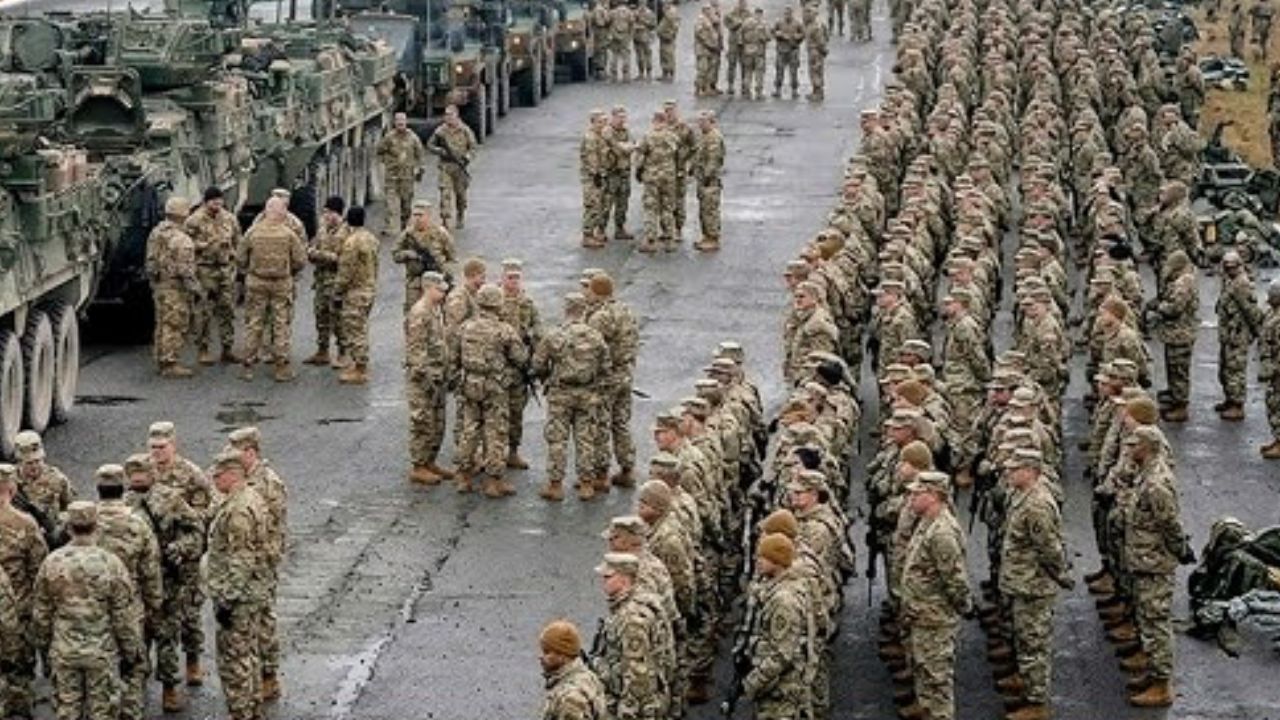
Reports from U.S. service members deployed in the Middle East suggest morale is slipping as the conflict involving Iran continues to strain military logistics and daily living conditions. Troops stationed near key operational areas, including naval forces in the Persian Gulf region, are dealing with limited supplies and disrupted communication with home.
One of the biggest issues described in recent accounts is food shortages and reduced ration quality. Some personnel have reportedly had to stretch limited supplies over longer periods than planned, leading to frustration and fatigue. At the same time, families back home have attempted to send care packages, but delivery delays and suspensions have made it difficult for those supplies to reach troops in the field.
Supply strain and daily conditions
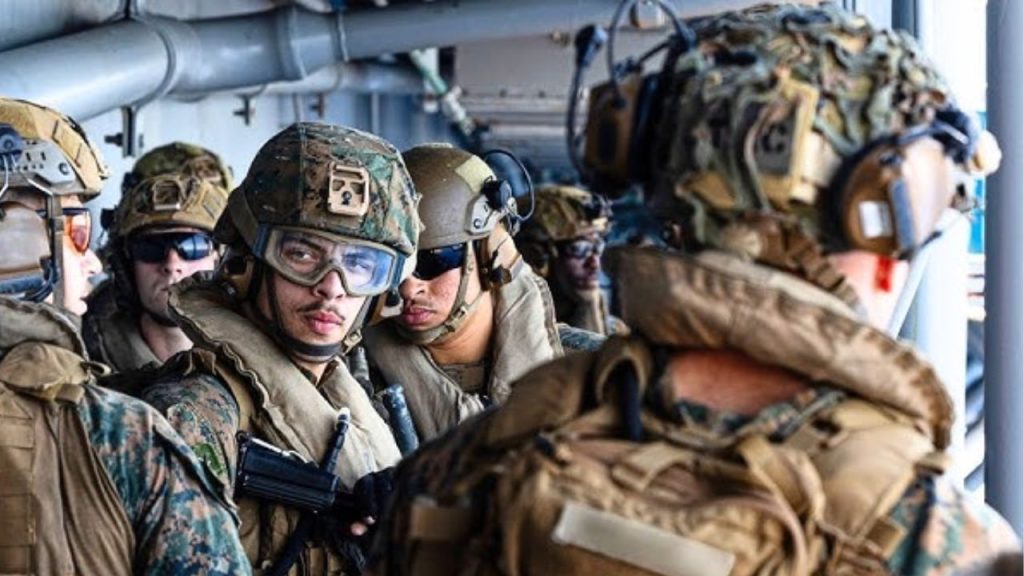
The situation is being described by some service members as a gradual buildup of pressure rather than a single failure point. When supply chains tighten, small disruptions become more noticeable — from meal variety to basic comfort items. In remote or high-tempo deployments, even minor shortages can affect energy levels and focus over time.
Military logistics systems are designed to handle challenging environments, but extended operations near contested waters can complicate resupply schedules. When shipping routes are disrupted or rerouted, everything from fresh food deliveries to personal supplies can be delayed, forcing units to rely more heavily on stored provisions.
Mail suspension adds to isolation
Another factor affecting morale is the suspension or slowdown of mail services to certain deployed regions. According to reports, postal delays linked to regional instability have left many care packages undelivered, including items sent by families meant to boost morale during deployment.
Mail in military operations often plays a bigger psychological role than people expect. Letters, food items, and personal care packages help maintain a connection to home. When that link is disrupted for long periods, troops can feel more isolated, especially during high-stress deployments.
Reports of morale challenges
Some accounts from personnel suggest that frustration is building over both living conditions and uncertainty about how long the situation will last. While formal military leadership statements often emphasize readiness and stability, on-the-ground reports tend to focus more on day-to-day strain.
Morale in deployed units is influenced by many factors at once — workload, safety conditions, leadership, and access to basic comforts. When multiple stress points overlap, it can create a sense of exhaustion even if operational objectives are still being met.
Broader context of the conflict
The reported conditions come as tensions in the region remain elevated due to ongoing disputes involving maritime routes and military positioning around the Strait of Hormuz. That area is a critical chokepoint for global energy shipments, and disruptions there tend to have wider economic and strategic effects.
As naval and regional operations continue, logistics and supply chains remain under pressure. Even when direct combat is limited, sustained deployments in contested regions can create long-term strain on personnel and resources, especially if diplomatic resolution remains uncertain.
What this means going forward
If the situation continues, military planners typically focus on adjusting supply chains, increasing rotation schedules, or improving delivery systems for both essential supplies and mail. These adjustments take time, especially in active or contested environments.
For now, the main concern highlighted in reports is not a single breakdown, but a combination of pressure points building at once — supply limits, communication delays, and operational uncertainty. Together, those factors can weigh heavily on morale even when larger strategic goals remain unchanged.

Leo’s been tracking game and tuning gear since he could stand upright. He’s sharp, driven, and knows how to keep things running when conditions turn.