State Wildlife Agencies Report Continued Shifts in Deer Populations Across the U.S.
State wildlife agencies across the country are reporting ongoing changes in deer populations, with some regions seeing growth while others deal with declines. These shifts aren’t happening evenly, which is why biologists are paying closer attention to local trends instead of relying on one national picture.
What’s becoming clear is that deer populations are no longer just rising or falling as a whole. Instead, they’re moving in different directions depending on habitat conditions, hunting pressure, disease, and even weather patterns. That patchwork of changes is shaping how states manage seasons and set regulations.
Regional differences are becoming more noticeable
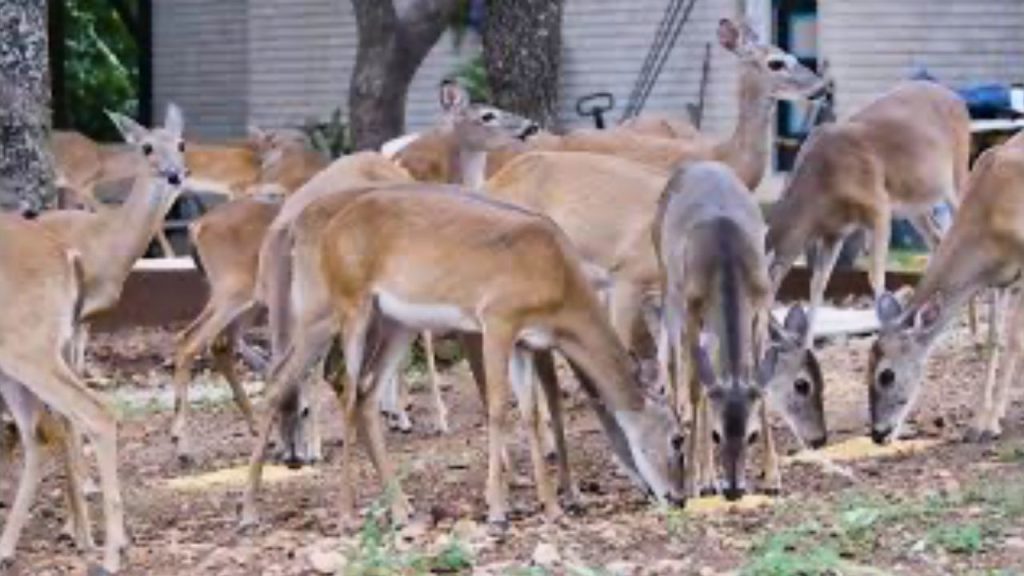
One of the biggest takeaways from recent reports is how different things look depending on where you are. In some parts of the country, especially areas with strong habitat and food availability, deer numbers remain stable or even high. In others, populations are struggling to keep up.
For example, data on mule deer shows that in many western regions, populations are still below management goals, with more areas reporting declines than increases in recent years. That uneven pattern makes it harder for agencies to apply one-size-fits-all strategies across multiple states.
Hunting trends are also shifting alongside populations
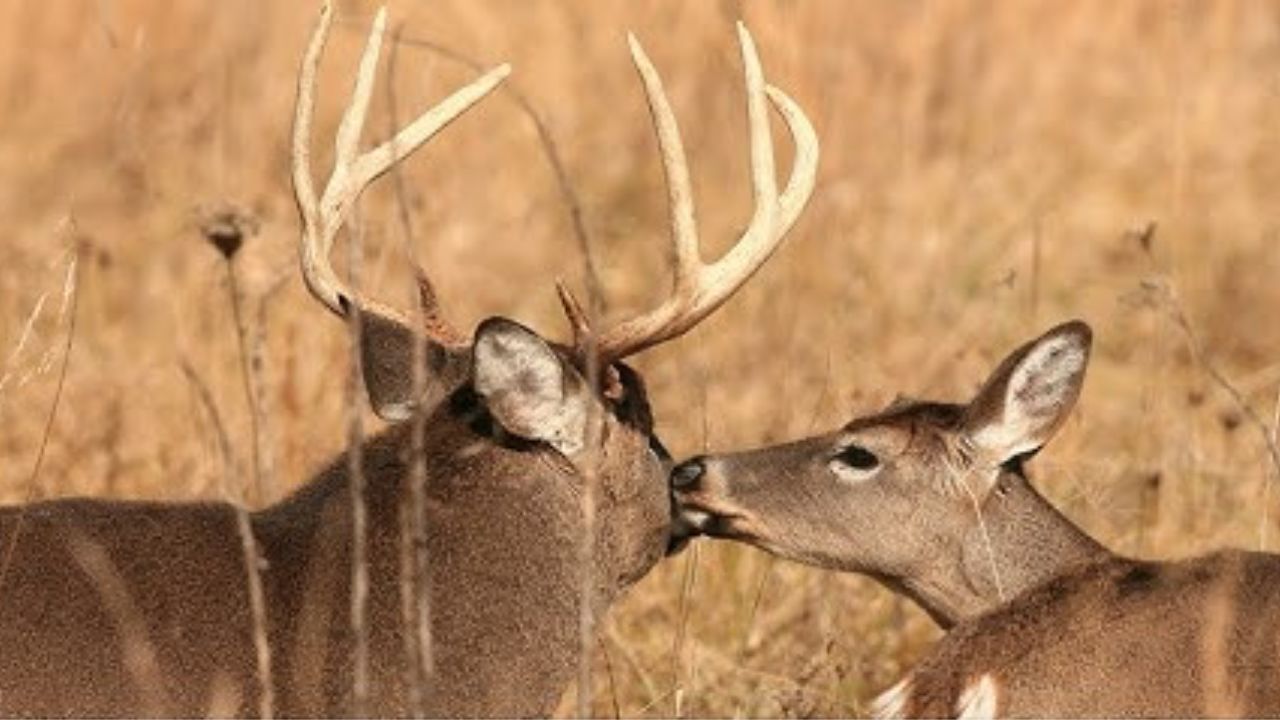
Wildlife agencies are also tracking how hunting patterns are changing, and those shifts are tied closely to deer populations. Recent data shows hunters are targeting more mature bucks than in the past, which reflects more selective hunting and long-term management strategies.
At the same time, fewer younger bucks are being harvested compared to decades ago, showing how regulations and hunter behavior have evolved. While this can help balance herds, it also adds another layer to how populations grow or stabilize over time.
Disease is playing a growing role in some areas
In certain regions, disease has become one of the biggest concerns affecting deer populations. Conditions like chronic wasting disease (CWD) and other illnesses have been linked to noticeable declines in local herds.
Some studies have shown significant drops in deer density in areas where disease is widespread, with populations decreasing year after year in affected zones. While these issues may not impact every state equally, they are becoming a major factor in how agencies plan for the future.
Habitat and environmental factors continue to shape outcomes
Beyond hunting and disease, habitat plays a major role in whether deer populations grow or decline. As deer numbers increase in certain areas, they can reach the carrying capacity of the land, leading to overgrazing and long-term damage to vegetation.
On the flip side, harsh winters, drought, and changing land use can limit food and shelter, reducing survival rates. In some regions, past environmental events have caused sharp declines that populations are still recovering from today.
Why wildlife agencies are adjusting management strategies
Because of these shifting conditions, state agencies are constantly adjusting how they manage deer populations. Season lengths, harvest limits, and permit systems are often updated based on current data collected by biologists and field staff.
These decisions aren’t made in isolation. Agencies rely on a mix of scientific monitoring, hunter feedback, and long-term population tracking to decide what changes are needed. The goal is to keep deer populations balanced with the environment while still supporting hunting traditions.
What these changes mean moving forward
The overall takeaway is that deer populations in the U.S. aren’t following a single trend anymore. Some areas are dealing with too many deer, while others are trying to rebuild herds that have declined due to disease or environmental pressure.
For hunters, landowners, and wildlife officials, that means staying flexible. Management strategies that worked ten or twenty years ago may not fit today’s conditions. As these shifts continue, deer management is becoming more localized, data-driven, and responsive to changing conditions on the ground.

Leo’s been tracking game and tuning gear since he could stand upright. He’s sharp, driven, and knows how to keep things running when conditions turn.