Hog-hunting guns that keep running in mud and thick brush
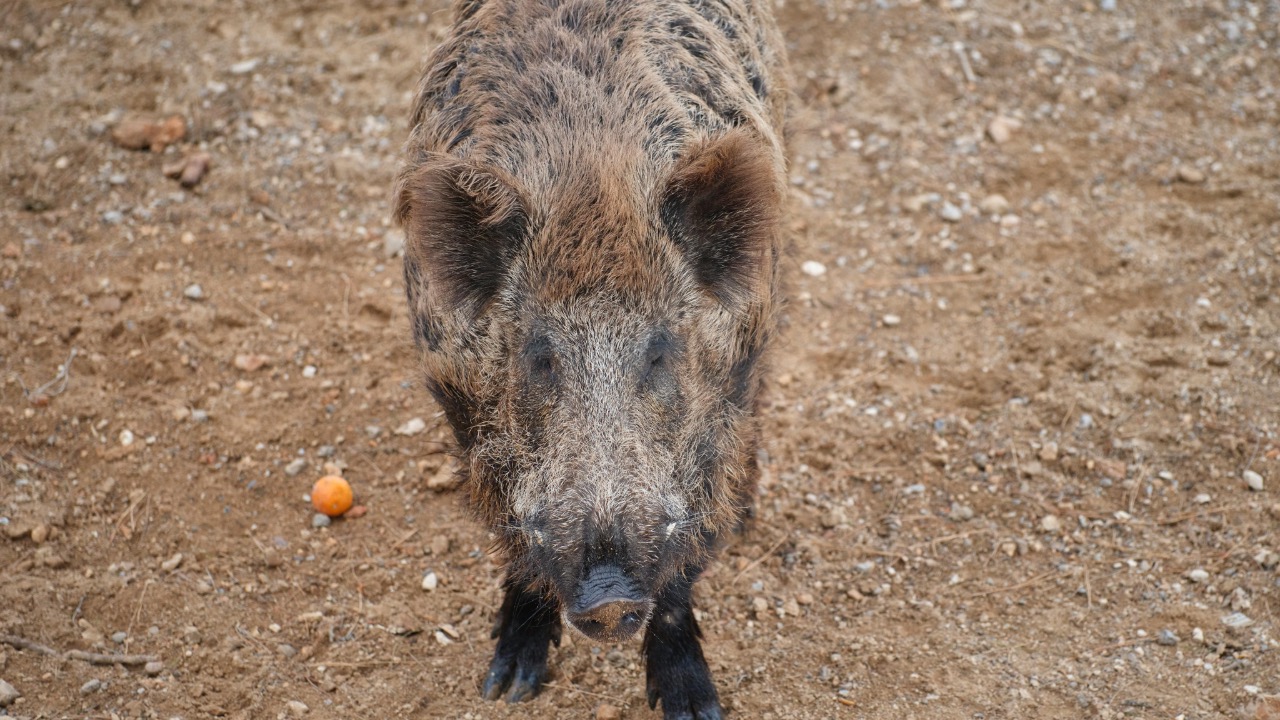
Wild hogs punish weak gear. Between mud, thick brush, and close, chaotic shot opportunities, the guns that shine in pig country are the ones that keep cycling when everything is filthy and the light is fading. I look for firearms that combine rugged actions, practical stopping power, and handling that lets me thread a shot through palmettos or mesquite without fighting the rifle or shotgun.
That standard cuts across platforms, from short, stainless bolt guns to pump shotguns and fast lever actions. The common thread is reliability under abuse, not benchrest precision. When I weigh hog guns, I start with how they behave in the worst conditions, then work backward to details like optics, capacity, and recoil.
What makes a hog gun survive mud and brush
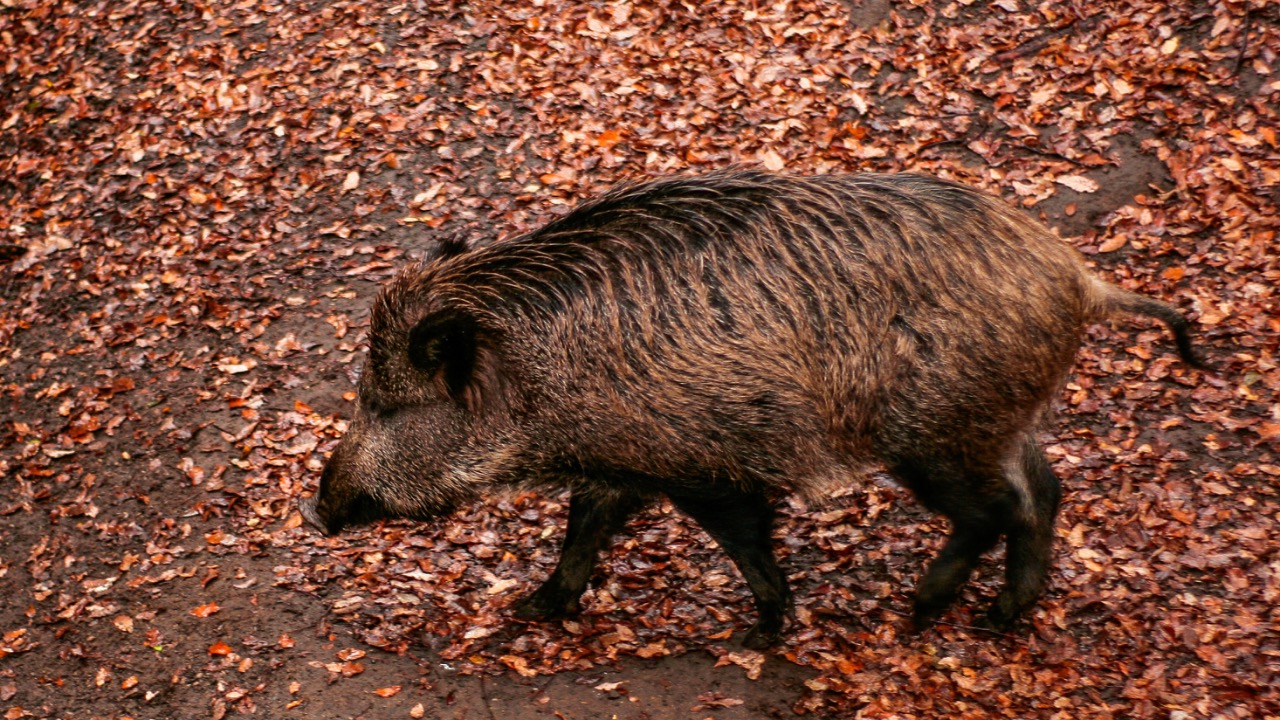
In dense cover, a hog gun has to function after being dragged through vines, dropped in sand, or soaked in swamp water. Simple, robust actions with generous clearances tend to shrug off grit better than intricate mechanisms. That is why many guides still lean on pump shotguns and basic bolt rifles, which keep cycling even when the forend is caked and the bolt body is streaked with mud. Knockabout designs that are built to be tossed in a truck bed or banged against a blind wall are not just convenient, they are insurance when a boar breaks from cover at bad-breath distance.
Reliability also means a stock and finish that do not swell, rust, or crack when they live in humidity and rain. Synthetic stocks and corrosion resistant barrels are not cosmetic upgrades in hog country, they are what keep zero roughly intact after a week of wet weather. Some shotguns are explicitly described as designed to function flawlessly under adverse conditions, including trips through dense underbrush or in inclement weather, which is exactly the environment hog hunters face when they push into thickets at dawn, as seen with certain knock-about shotguns.
Why many outfitters still trust the pump shotgun
Guides who see hundreds of hogs taken each season tend to converge on tools that simply do not quit, and the pump shotgun is near the top of that list. A well set up 12 gauge with a short barrel and open choke gives fast pointing in brush and brutal close range performance with buckshot or slugs. On guided hunts where clients may be inexperienced, the ability to work a simple Pump action under stress, with clear tactile feedback on each stroke, is a major safety and reliability advantage.
Some outfitters explicitly market shotgun hog hunts built around this formula, emphasizing quick follow up shots and the forgiving pattern of buckshot at close range, as in one Texas style shotgun hog hunt experience. Technical overviews of these guns note that Pump Action Shotguns have long been used for hunting and home defense because the Pump mechanism is mechanically straightforward and tolerant of dirt, with several popular models offering sleek and ergonomic designs that still cycle reliably when conditions are poor, as described in an introduction to Pump Action Shotguns.
Budget workhorses: The Mossberg Maverick 88 and similar pumps
For hunters who want a gun they are not afraid to scratch, budget pump shotguns are hard to beat. I look for a model with a proven track record, crossbolt safety that is easy to run with gloves, and a finish that does not rust if it spends a night in a damp truck. The Mossberg Maverick 88 is a classic example of this category, a no-nonsense pump that can ride behind a seat for months and still run when a sounder hits the feeder. Its dual action bars and simple tube magazine are built for abuse rather than polish.
Detailed guides describe The Mossberg Maverick 88 as a proven pump-action shotgun that excels in reliability, versatility, and affordability, suitable for home defense, hunting, and recreational shooting, which is exactly the mix hog hunters often need from a single gun that pulls double duty, as outlined in a comprehensive Mossberg Maverick guide. When I evaluate similar pumps, I prioritize that same combination of ruggedness and low cost, because a hog gun that lives in mud and brush should be something you are comfortable dragging through a cattail slough without babying the finish.
Lever actions that thread through thickets
Lever guns remain some of the best tools for hogs in tight cover because they balance fast cycling with compact overall length. A short, handy rifle lets me slip between saplings and bring the sights on target without snagging a long barrel on vines. Modern lever actions chambered in midrange calibers hit hard enough for big boars while keeping recoil manageable for quick follow up shots, which matters when a sounder scatters in multiple directions.
Several evaluations of hog rifles highlight the Marlin 336 as a standout Lever Action choice, especially in thick wooded areas or shorter range encounters where a fast-handling carbine shines, with one list explicitly naming it the Best Lever option and emphasizing how the 336 platform suits these hog horde scenarios, as noted in an ATN corp overview. Another breakdown of hog guns singles out the Marlin Model 1895, illustrated with an Image from Marlin Firearms, and frames it as a powerful brush rifle that can drop big pigs quickly, reinforcing how a compact Marlin Model lever gun remains a practical choice in the thickets, as described in a Sep feature.
Modern lever and semi-auto options for fast follow ups
While classic levers dominate the nostalgia conversation, modern versions and semi-automatic platforms have pushed hog hunting into new territory. I pay attention to how quickly a rifle can deliver controlled follow up shots without losing the sight picture, especially for night hunting over feeders or in open fields where multiple pigs may be on the move. Semi-auto rifles in intermediate and big bore calibers give hunters the ability to anchor one hog and immediately transition to another, provided the action stays reliable in dust and mud.
Contemporary roundups of hog guns still give a nod to lever classics like the Marlin 336 Classic, listing it alongside AR-15 pattern rifles chambered in cartridges such as 450 Bushmaster and budget friendly bolt guns like the Ruger American, which is flagged as a Best Affordable option that hunters can See It as a practical entry point into hog hunting, as detailed in a broad Best Guns for review. Ruger’s stewardship of the Marlin brand has also produced updated lever models like the Marlin 1895 Trapper, with The Ruger made Marlin Trapper marketed as a serious backcountry and big game tool, a role that translates neatly to hogs in rough terrain, as showcased in a Marlin video that focuses on its compact, hard hitting design.
Short, stainless bolt rifles built for brush
For hunters who prioritize precision and ruggedness over sheer rate of fire, short barrel bolt actions with weather resistant finishes are compelling hog tools. I look for rifles with 18 to 20 inch barrels, stainless or coated metal, and synthetic stocks that will not warp in humidity. These guns carry easily through briars, balance well for offhand shots, and still deliver enough velocity for ethical kills out to moderate ranges. In muddy fields or wet river bottoms, a sealed bolt action can be easier to keep running than a gas operated semi-auto.
One purpose built example is the 110 Brush Hunter, which uses a 20 inch stainless steel medium contour barrel held in a rugged synthetic stock, a configuration designed for quick shots at large game in close quarters, as described in the product details that emphasize Its stainless construction and compact profile for tough conditions, outlined in the Savage Arms listing. Broader testing of the 110 family notes that the 110 series is well regarded for reliability provided by the bolt action itself, with firm and repeatable lock up that keeps zero consistent even after hard use, as highlighted in a 110range report. That combination of short length, stainless steel, and proven bolt design is exactly what I want when a rifle will be dragged through mud and brush on every outing.
Caliber choices that balance power and control
Stopping a big boar cleanly requires enough bullet weight and penetration to break shoulders and reach vital organs from imperfect angles. At the same time, a hog gun that recoils like a sledgehammer slows follow up shots and encourages flinching. I favor midrange calibers that deliver solid energy with manageable recoil, especially when paired with compact rifles that may be fired from awkward positions in brush. The goal is a cartridge that hits harder than typical varmint rounds but does not punish the shooter.
Analyses of hog hunting cartridges repeatedly point to Common calibers such as the 308 Winchester and 30-06 Springfie as favorites among hog hunters across the states, framed under the idea of Necessary Stopping Power for tough game, as laid out in an Aug discussion of hog firearms. Another survey of rifles for wild pigs highlights platforms like the Stag Arms Pursuit Stag10 chambered in 308 Winchester and the Winchester XPR Stealth Suppressor Ready in the same caliber, underscoring how 308 remains a benchmark for hog rifles that must combine reach, power, and reliability in the field, as detailed in a Best Rifles For guide.
Classic bolt guns that refuse to quit
Even as semi-autos and levers grab attention, traditional bolt actions still anchor many hog camps because they are simple, strong, and easy to maintain. I value rifles with controlled feed or robust push feed systems, generous extractor claws, and stocks that can take a beating. When a hunt involves long hikes through brush and the possibility of a single, carefully placed shot at a wary boar, a well set up bolt gun is hard to beat. The same traits that make these rifles staples for deer and elk translate directly to hogs.
Detailed breakdowns of hog firearms point to Bolt action rifles such as the Remington 700 and Winchester Model 70 as examples known for reliability and superb precision, noting that They are trusted partly because their actions have been refined over decades of field use, as explained in an Aug overview that also covers pump shotguns. That same source highlights how models like the Remington 870 shotgun offer strong stopping power at close ranges, reinforcing the theme that simple, proven actions, whether bolt or pump, tend to keep running when hunts turn muddy and chaotic.
Emerging niches: airguns and alternative platforms
While centerfire rifles and shotguns dominate hog hunting, alternative platforms are carving out niches, especially where noise or overpenetration are concerns. High powered air rifles have advanced rapidly, with some models delivering energy levels that were once unthinkable for airguns. I see these tools as specialized options for close range work, often from blinds or over bait, where shot placement can be carefully controlled and the reduced report is an advantage near livestock or sensitive properties.
Manufacturers in this space emphasize innovation in semi-automatic systems and robust bolt-action designs, describing how Our commitment to innovation is evident in rifles that are durable and dependable for years of service, language that signals a focus on reliability even in nontraditional platforms, as outlined in an AEA Airguns catalog. At the same time, mainstream hog gun roundups continue to spotlight familiar names like the Ruger American, lever favorites such as the Marlin 336, and big bore ARs in 450 caliber, reflecting how most hunters still rely on conventional firearms even as they experiment at the margins, as seen in a broad Best Lever style survey of hog guns.

Leo’s been tracking game and tuning gear since he could stand upright. He’s sharp, driven, and knows how to keep things running when conditions turn.