California turns to overseas oil imports amid high fuel prices
If you live in California, you’ve felt it at the pump. Prices climb faster here than almost anywhere else in the country, and when refinery issues stack up, the spikes hit hard. What surprises many people is where some of that replacement crude and finished fuel comes from.
California isn’t tied into the same pipeline network that feeds much of the Midwest and Gulf Coast. When in-state production falls or refineries go offline, the state often looks overseas. Tankers become the pressure valve. The result is a supply chain that stretches across oceans, adding cost, time, and exposure to global market swings you don’t always see coming.
Limited Pipeline Connections Shape California’s Options
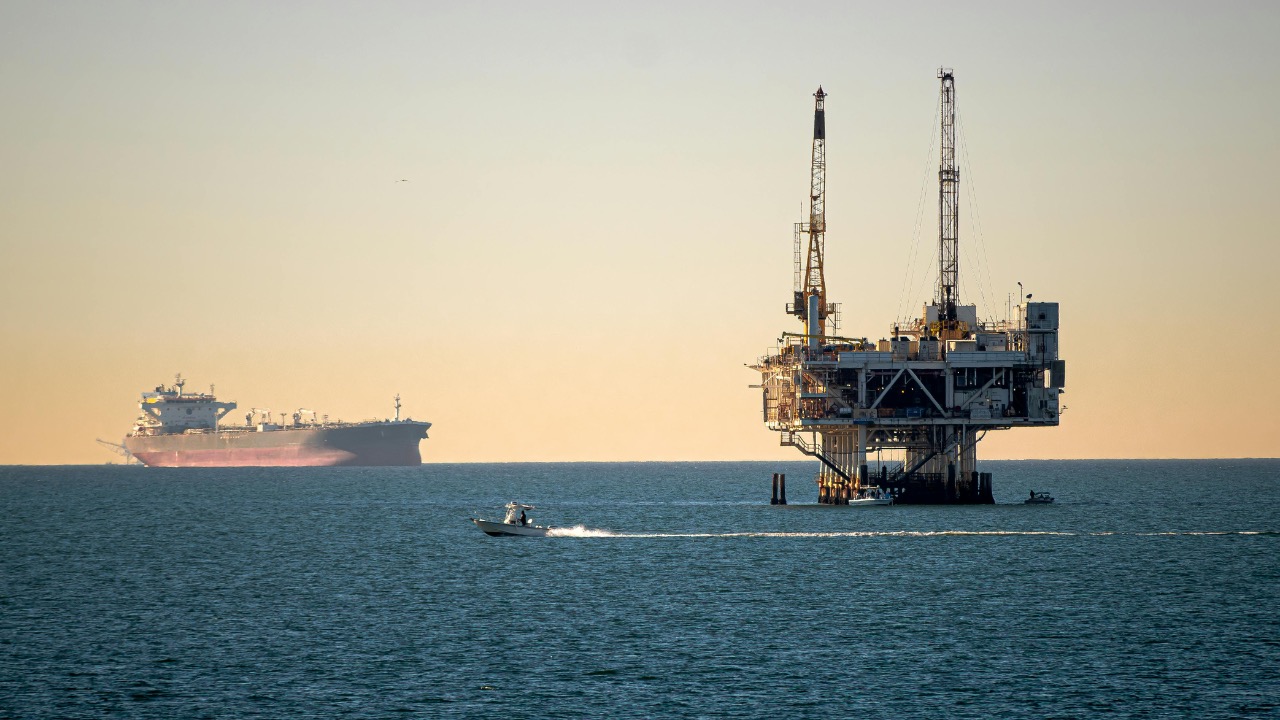
Unlike states tied into major interstate crude pipelines, California operates largely as an energy island. You don’t have direct pipeline links to refining hubs along the Gulf Coast. That means when local production dips or refineries experience maintenance outages, you can’t quickly backfill with domestic crude the way Texas or Louisiana might.
Instead, tankers bring crude and refined products into ports like Los Angeles and the Bay Area. That maritime dependence increases shipping costs and introduces delays. Even if domestic oil is available elsewhere in the U.S., it’s often more practical and sometimes faster to source barrels from abroad than to reroute supplies across the continent.
Declining In-State Production Changes the Math
California was once a heavyweight oil producer. Fields in Kern County and offshore platforms supplied a large share of local refineries. Over time, output has declined due to field maturity, regulatory pressure, and reduced investment in new drilling.
When local barrels shrink, refiners still need feedstock. That gap is often filled with crude from countries such as Ecuador, Iraq, or Saudi Arabia. You’re watching a structural shift: less reliance on in-state wells and greater exposure to international producers. The higher the dependency on imported crude, the more sensitive gasoline prices become to global disruptions.
Specialized Fuel Blends Limit Flexibility
California requires a specific gasoline formulation designed to reduce emissions. That cleaner-burning blend helps meet strict air quality standards, but it also narrows your supply options. Not every refinery in the country can produce it.
When a California refinery goes offline, replacement fuel must meet those specifications. That can mean importing finished gasoline or blendstocks from overseas refineries capable of producing compatible product. You’re not competing only with domestic buyers; you’re competing in a global market for a specialized fuel few producers are set up to make.
Refinery Closures Tighten Supply
In recent years, California has seen refinery capacity shrink due to closures and conversions. Some facilities have transitioned toward renewable diesel production, while others have shut down entirely. Fewer refineries mean less buffer when one facility goes down for maintenance or unplanned repairs.
When capacity tightens, even a temporary outage can ripple through the state. Imports step in to stabilize supply, but that comes at a premium. You feel that premium at the pump. With limited redundancy in the system, overseas shipments often become the quickest way to prevent sharper shortages.
Global Price Swings Hit Harder on the West Coast
Because California leans on maritime imports, global price swings can have a more direct impact. Disruptions in the Middle East, shipping bottlenecks, or production cuts by groups like OPEC can influence what refiners pay for crude delivered to West Coast ports.
You’re also exposed to shipping rates and international fuel demand. When Asian markets draw more product, tanker availability tightens. That competition can push costs higher for California buyers. The state’s relative isolation from domestic pipelines means international volatility doesn’t stay overseas for long.
Environmental Policy and Market Signals
California has aggressive climate policies aimed at reducing fossil fuel consumption over time. Those policies shape long-term investment decisions. Companies are cautious about building new refining capacity in a state signaling a gradual transition away from gasoline vehicles.
That hesitation affects infrastructure planning. When refiners don’t expand or replace aging facilities, supply margins narrow. In the short term, imports help bridge the gap. In the long term, you’re left balancing environmental goals with energy reliability. The tension between those priorities plays out in fuel availability and pricing more often than many people realize.
Shipping Logistics Add Cost and Complexity
Moving oil by tanker isn’t cheap. Freight rates, insurance, port fees, and scheduling constraints all factor into the delivered cost of imported crude or gasoline. Each step adds another layer between production and your local gas station.
Ports must handle large volumes safely and efficiently, and weather or congestion can slow arrivals. Unlike a steady pipeline flow, tanker deliveries arrive in batches. That creates a different rhythm in the supply chain. When timing slips, inventory buffers shrink quickly, and prices react. The farther your fuel travels, the more variables you introduce.
Consumers Feel the End Result
At the end of the chain, you see a number on a pump. Behind it sits a web of refinery capacity, regulatory requirements, shipping lanes, and international supply decisions. When local production declines and refinery margins tighten, imports become a practical necessity rather than a political talking point.
You’re paying not only for crude oil but for transportation across oceans and the constraints of a specialized fuel system. Until infrastructure, policy, and production trends shift in a meaningful way, California will likely remain more reliant on overseas oil than many other states — and more exposed to the price swings that come with it.

Asher was raised in the woods and on the water, and it shows. He’s logged more hours behind a rifle and under a heavy pack than most men twice his age.