Public Land Access Remains a Growing Issue for Hunters Nationwide
Access to public land has become a bigger concern for hunters across the United States, especially as more people head outdoors and available space feels tighter. What used to be easier—finding a quiet stretch of land to hunt—is now more complicated in many regions, with crowding, limited entry points, and changing land policies all playing a role.
Hunters aren’t just talking about convenience either. For many, public land is the only realistic option. As private land access becomes more restricted or expensive, pressure on public ground increases, which can lead to conflicts, overuse, and a different overall experience than what hunters were used to years ago.
More hunters, same amount of land
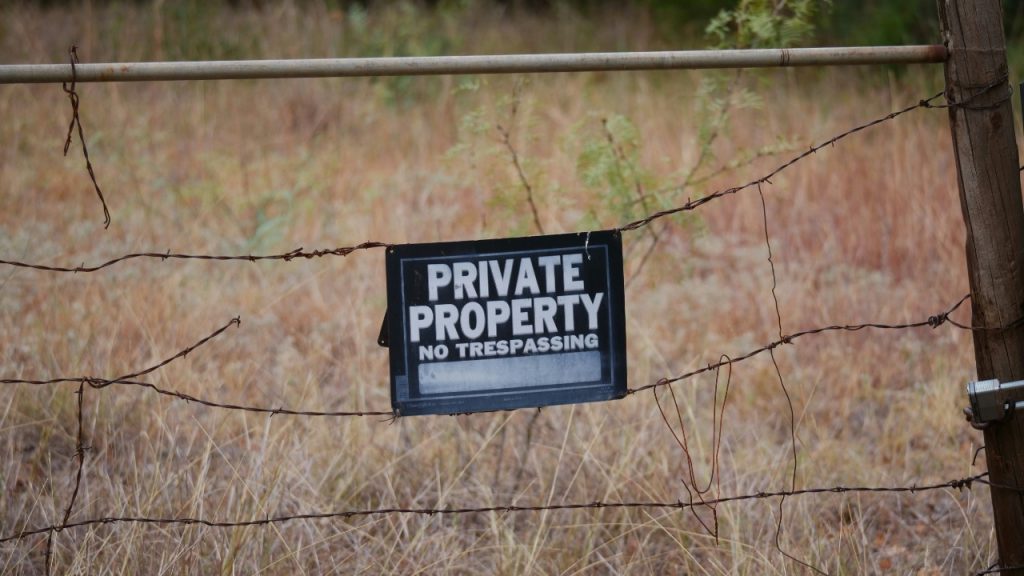
One of the biggest challenges is simple math: the number of people using public land has grown, but the amount of land itself hasn’t increased at the same pace. In some areas, it’s actually shrunk due to land sales, development, or shifting federal priorities.
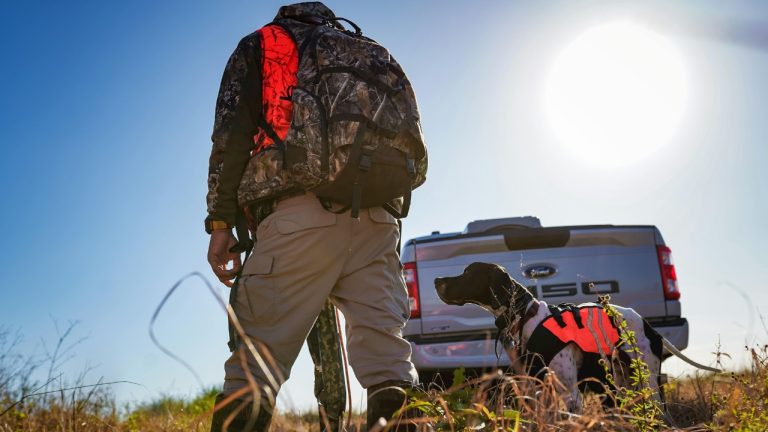
That imbalance shows up quickly during hunting seasons. Parking areas fill up earlier, popular spots get crowded, and hunters often have to travel farther or put in more effort just to find space. For newer hunters especially, that learning curve can be frustrating and discouraging.
Private land barriers pushing hunters outward
At the same time, access to private land has become more limited. Leasing land, paying access fees, or needing personal connections has made it harder for average hunters to secure places to hunt outside of public ground.
As a result, more people are funneled into the same public areas. That concentration increases competition and can change how people hunt, sometimes leading to rushed decisions or tension between groups trying to use the same space.
Landlocked public land adds to the problem
Another issue getting more attention is “landlocked” public land—areas that are technically public but surrounded by private property with no clear legal access. Millions of acres fall into this category, meaning they exist on paper but aren’t realistically usable for most hunters.
This has led to ongoing debates about access rights, including whether people should be allowed to reach those lands through corners or narrow boundaries. The legal side of that issue varies by state and has been the subject of recent court cases and policy discussions.
Impact on hunting experience and safety
As pressure builds on accessible land, it doesn’t just affect success rates—it changes the overall experience. Hunters report seeing more people in areas that used to feel remote, which can take away from the sense of solitude many are looking for.
There are also safety considerations. More people in the same area means more awareness is needed, especially during busy seasons. Most hunters take safety seriously, but higher traffic naturally increases the need for caution and clear communication in the field.
Ongoing efforts and what comes next
Efforts to improve access are ongoing, with some programs focused on opening more land, improving entry points, or working with private landowners to create limited access opportunities. Still, progress tends to be slow, and demand continues to rise.
For now, hunters are adapting by scouting harder, traveling farther, or adjusting expectations. The issue isn’t going away anytime soon, and how it’s handled will likely shape the future of public land hunting across the country.

Leo’s been tracking game and tuning gear since he could stand upright. He’s sharp, driven, and knows how to keep things running when conditions turn.