10 signs you’re relying on gear instead of skill
Good gear matters. Nobody serious about shooting, hunting, or outdoor performance ignores quality equipment. But there’s a line where confidence shifts from skill to hardware dependence. When you start believing that success comes mostly from what you carry rather than how you use it, progress usually slows. Experienced outdoorsmen learn early that mastery comes from repetition, awareness, and discipline more than accessories.
The hard truth is that gear can help you perform better, but it can also mask weak fundamentals. Watch for habits that suggest you’re leaning too hard on equipment. These ten signs often show up quietly before frustration sets in.
You Buy New Equipment After Every Poor Performance
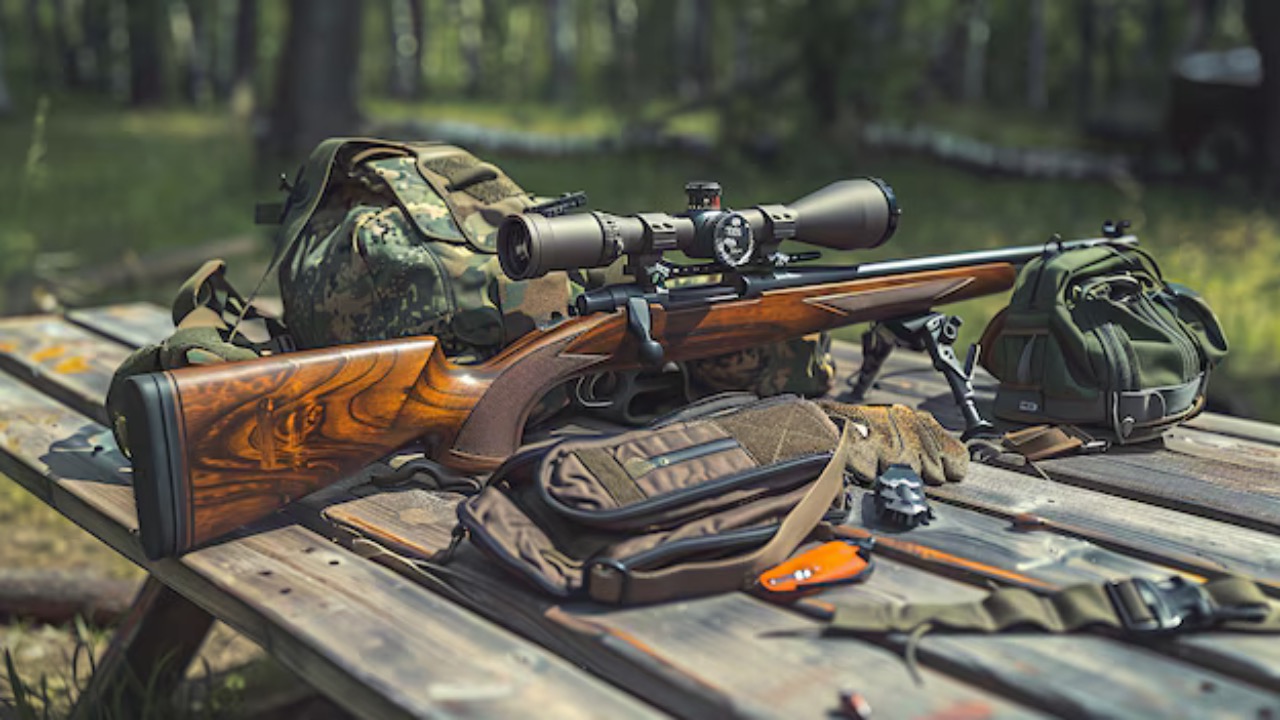
If your first reaction after a bad outing is shopping for upgrades, you may be chasing performance through gear instead of fixing technique. New purchases feel productive because they offer immediate excitement, but they rarely solve foundational problems. Skill development takes time, repetition, and honest self-evaluation.
Experienced shooters and hunters often keep using older equipment while refining form, breathing control, and shot timing. If you constantly believe a better tool will fix mistakes caused by stance, grip, or patience, you’re probably avoiding the harder work of improving your own consistency.
You Blame Wind or Terrain Before Reviewing Your Shot Mechanics
Weather and landscape absolutely matter outdoors. However, if every miss is blamed on environmental factors without checking your own fundamentals, skill growth slows. Wind, slope, and vegetation are variables, not excuses.
Seasoned outdoorsmen first review trigger control, follow-through, and sight alignment before blaming conditions. Terrain challenges are expected, but mastery means adapting instead of reacting emotionally. If you find yourself assuming nature is always the problem, it may signal that confidence is sitting more in equipment settings than in personal technique.
You Feel Nervous Without Your “Favorite” Gear
Comfort with equipment is normal, but anxiety when using unfamiliar gear can be a warning sign. Skilled performers can adapt to reasonable tools because they understand underlying mechanics and movement principles.
If performance drops dramatically when your preferred item isn’t available, dependence might be forming. True proficiency shows up when technique transfers across reasonable variations in equipment. Professionals train with multiple setups to prevent psychological attachment to one specific tool. If you feel lost without your usual gear, it might be time to strengthen fundamentals.
You Spend More Time Adjusting Equipment Than Practicing Movement
Maintenance and setup matter, but excessive tinkering can hide lack of skill development. Constantly adjusting sights, straps, optics, or accessories sometimes replaces actual practice.
Experienced outdoorsmen typically dial equipment once, verify function, then focus energy on execution. If you find sessions turning into mechanical adjustment exercises instead of skill training, progress may stall. Good performance comes from learning to operate within a setup rather than endlessly modifying it. Gear optimization should support practice, not replace it.
You Believe Accuracy Comes Mainly From Technology
Modern tools like rangefinders, ballistic calculators, and stabilization systems are useful. But believing they replace marksmanship or field awareness creates dependence. Technology helps decision-making, not muscle memory.
Many experienced hunters can shoot effectively with basic tools because they understand trajectory, distance estimation, and trigger discipline. If you feel lost when electronic aids are unavailable, it may mean you are trusting devices more than technique. Skill still matters when batteries die or sensors fail.
You Practice Only With Your Preferred Setup
Training only with your best gear feels comfortable, but it can hide weaknesses. Real skill shows when performance stays consistent across slightly different conditions or equipment variations.
Athletes and seasoned outdoorsmen often rotate gear during practice. This builds adaptability and reduces psychological attachment to specific tools. If you avoid unfamiliar equipment because performance feels uncertain, you might be reinforcing dependence rather than building mastery. True confidence comes from knowing you can perform even when the setup isn’t perfect.
You Panic When Small Settings Are Changed
If minor changes like sling tension, optic brightness, or grip texture disrupt performance, skill foundation may need reinforcement. Highly trained shooters usually adapt quickly to reasonable configuration shifts.
Equipment sensitivity can reveal overreliance on precise setup conditions. Field situations rarely stay identical. Rain, sweat, fatigue, and movement change the feel of gear constantly. If performance collapses when something small changes, you may be practicing equipment calibration more than technique development.
You Attribute Success Mainly to Gear Quality
Good gear helps, but claiming success comes mostly from equipment is a subtle sign of dependence. Skilled performers usually talk about shot discipline, decision timing, and body control.
When victories are credited primarily to hardware, it can mask training gaps. Equipment cannot compensate forever for poor positioning or rushed execution. If you feel performance is mostly determined by what you own rather than what you practice, it might be time to shift focus back toward skill refinement.
You Avoid Situations That Test Weak Fundamentals
Avoiding challenging shots, unfamiliar terrain, or variable conditions can be comfortable but limits improvement. Skill grows when you work through controlled difficulty.
Experienced outdoorsmen deliberately practice in imperfect conditions to build resilience. If you only operate when everything feels optimized, your performance may depend more on setup than ability. Real-world hunting and shooting rarely happen in laboratory environments, so training should include manageable uncertainty.
You Feel Equipment Is Responsible for Confidence
Confidence should come from competence first. If you feel capable only when carrying specific gear, skill independence may be weak.
True mastery feels stable even when equipment changes slightly. Tools should support confidence, not create it. When performance belief depends on hardware presence, it may signal that training and repetition need more attention. The strongest performers trust their movement, timing, and awareness before they trust what is in their hands.

Asher was raised in the woods and on the water, and it shows. He’s logged more hours behind a rifle and under a heavy pack than most men twice his age.