Hunting guns that are too fragile for the field
There’s a big difference between a rifle that looks good on a rack and one that survives a season of hard use. In real hunting country, guns get bumped against rocks, soaked in snow, dragged through brush, and laid across tailgates in the dark. Some firearms shoot well at the range but start falling apart once weather, miles, and bad footing enter the picture. Lightweight materials, delicate finishes, and cost-cutting shortcuts show up fast when you’re miles from the truck. If you hunt the way most people actually do, these are the kinds of guns that tend to crack, shift zero, or quit when conditions stop being polite.
Remington 700 ADL Synthetic (Older Production)

On paper, the 700 ADL Synthetic looks like a tough, affordable hunting rifle. In the field, the factory stock tells a different story. The fore-end flexes easily, especially when shooting off packs or improvised rests. That flex can change point of impact enough to matter on longer shots.
The injection-molded stock also doesn’t handle cold well. Drop it on frozen ground or bump it hard against a tree and stress cracks aren’t rare. Add weak factory bedding and you’ve got a rifle that shoots fine until real hunting pressure shows up. Many hunters end up replacing the stock early, which says plenty on its own.
Ruger American Standard Models
Ruger Americans kill a lot of deer, but durability is not their strong suit. The lightweight stock flexes noticeably when slung tight or rested on anything solid. That movement can affect accuracy without warning.
The bedding system works, but it’s not forgiving of hard knocks. Scope mounts can loosen, and the thin barrel profile heats quickly, which matters on follow-up shots. Drop one hard on rocky ground and you’ll feel it through the whole rifle. It’s usable, but it asks you to baby it more than a serious hunting rifle should.
Savage Axis
The Axis keeps weight and cost down by trimming everywhere, including places you notice in the field. The stock feels hollow and transmits impact directly to the action. A slip on wet leaves can knock things out of alignment.
Magazine fit is another weak spot. They don’t always tolerate dirt, snow, or pressure from brush very well. When you’re climbing or crawling, that becomes obvious fast. The rifle can shoot, but it doesn’t shrug off abuse. You end up handling it carefully when your attention should be on terrain and wind.
Tikka T3x Superlite
The Superlite earns praise for accuracy and weight savings, but it pays for that with thinner margins. The slim barrel dents easier than most hunters expect. One hard knock on a rock can leave a permanent reminder.
The polymer stock holds up reasonably well, but flex shows up when shooting prone or braced. In cold weather, it feels less forgiving. The rifle performs best when treated carefully, which runs against how most backcountry hunts actually go. It’s accurate, but it rewards caution more than grit.
Browning X-Bolt Pro
The X-Bolt Pro looks ready for serious hunting, but the carbon stock and finish demand care. Carbon is stiff, not forgiving. A sharp impact can cause damage that isn’t always visible right away.
The thin Cerakote finish scratches easily, and the light barrel doesn’t tolerate hard use well. Hunters who push deep into rough country often notice small issues adding up. It’s a rifle that shines on clean hunts but feels out of place when conditions turn ugly and unpredictable.
Weatherby Mark V Ultra Lightweight

This rifle saves weight everywhere it can, and that includes durability. The thin barrel heats quickly and doesn’t like hard contact. Even resting it wrong can affect consistency.
The stock feels solid until it takes a real hit. Then you start worrying about cracks and alignment. Weatherby accuracy is there, but the rifle wants careful handling. For hunters who move fast through rough ground, it can feel like carrying something that needs protection instead of delivering it.
CVA Cascade (Early Runs)
The Cascade surprised people with accuracy, but early rifles showed weak points in the stock and finish. Impacts that wouldn’t bother heavier rifles left visible marks and occasional shifting.
The recoil lug system works, but it doesn’t love repeated rough handling. Sling tension and hard rests can influence performance more than expected. It’s a capable rifle, but it doesn’t hide its budget roots when treated like a true field gun.
Mossberg Patriot
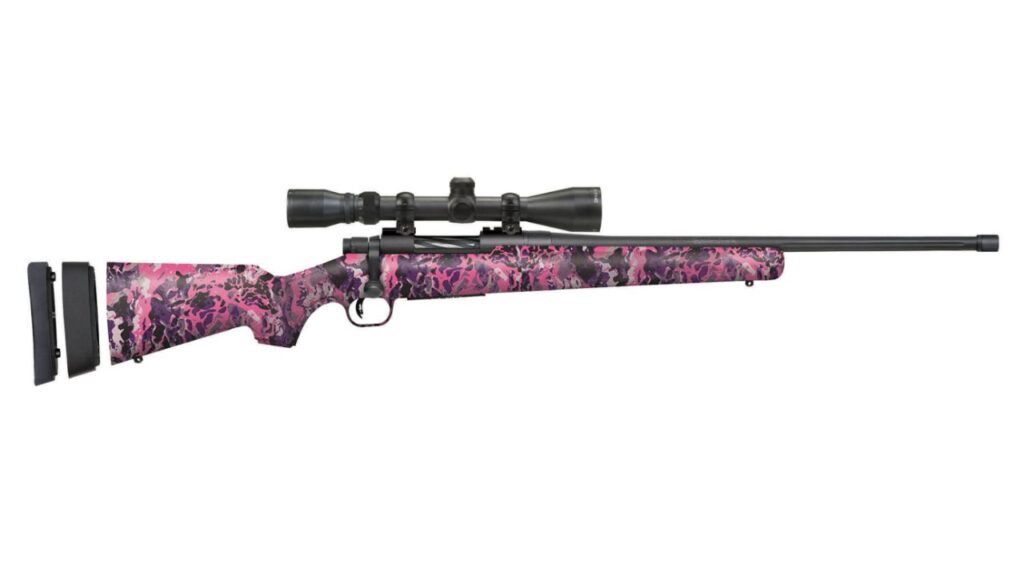
The Patriot’s lightweight build works against it once you leave the range. The stock flexes under pressure, and bedding isn’t confidence-inspiring. A hard fall can change how the rifle shoots.
The bolt and magazine don’t appreciate dirt and grit. In wet or dusty conditions, operation can feel rough fast. It’s serviceable, but it doesn’t handle repeated abuse well. Hunters often realize they’re compensating for the rifle instead of trusting it.
Henry Brass Receiver Lever Actions
Henry’s brass-framed lever guns look great, but they’re not built for hard field abuse. The brass dents and scratches easily, and once marked, it stays that way.
Tube magazines are vulnerable to dents that can affect feeding. Drop one on rocks or knock it hard against a tree and you’ll notice. They work well for careful hunters, but they don’t tolerate rough handling the way steel-framed lever guns do.
Stoeger M3000 Shotgun
The M3000 cycles reliably, but the stock and finish don’t love hard hunting conditions. The synthetic stock can crack at stress points after repeated impacts.
The action tolerates light use better than abuse. Mud, sand, and freezing rain expose weaknesses quickly. It’s fine for casual hunts, but when conditions get ugly, you start wishing for something heavier and less sensitive.
H&R Handi-Rifle
Single-shot simplicity sounds rugged, but the Handi-Rifle doesn’t always hold up. Stocks crack more often than expected, especially around the action.
The break-action hinge can loosen with repeated hard use. Once that happens, accuracy suffers. It’s light and handy, but it doesn’t like getting knocked around. Hunters who push through brush and rough ground often see wear long before they should.
Ultra-Light Turkish Over/Under Shotguns
Many lightweight imported over/unders look appealing, but durability is where they struggle. Wood stocks split at the wrist, and internal parts wear quickly under real field use.
Cold weather and moisture make things worse. Ejectors and safeties can get unreliable fast. These guns work for occasional hunts, but sustained use in rough terrain exposes limits that aren’t obvious at first glance.

Asher was raised in the woods and on the water, and it shows. He’s logged more hours behind a rifle and under a heavy pack than most men twice his age.