Old Farmer’s Almanac Releases Summer 2026 Outlook, Predicting Above-Average Heat Across Much of the Country
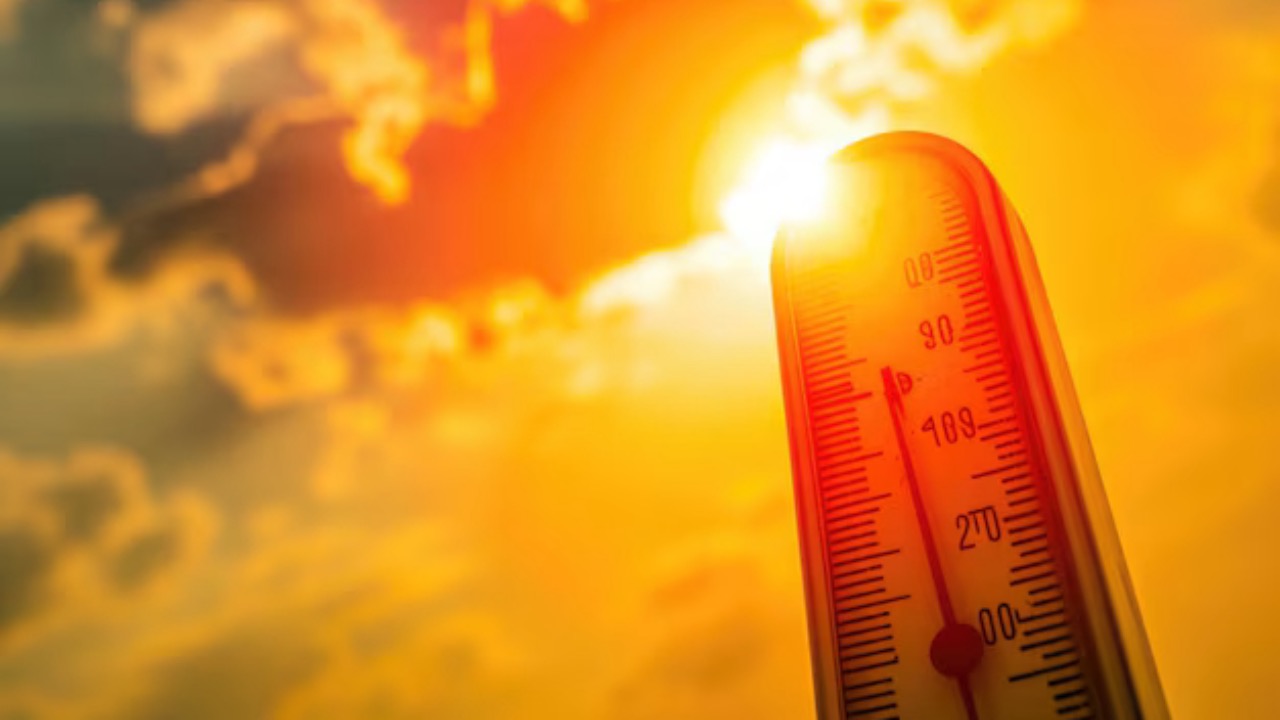
You don’t have to spend long outdoors to know when a summer’s going to lean hot. Long days, dry wind, and heat that sticks around after sunset—it all adds up fast. Now the Old Farmer’s Almanac has weighed in with its Summer 2026 outlook, and it’s pointing toward above-average heat across a big stretch of the country.
If you spend time in the field—whether you’re scouting, fishing, or managing ground—you pay attention to patterns like this. Forecasts don’t hit every detail, but they give you a sense of what you’re walking into. Here’s how that outlook shapes up and what it could mean once you’re out there.
Much of the Country Is Expected to Run Hot
The Almanac’s outlook calls for above-average temperatures across large portions of the U.S., especially through the central and southern regions. That lines up with recent trends where heat builds early and sticks around longer than it used to.
When you see a forecast like that, you start thinking about how it affects time outdoors. Midday windows shrink. Early mornings and late evenings carry more weight. It also changes how land and water behave over the course of a season. Heat doesn’t stay in one place—it builds, lingers, and shapes everything underneath it.
Drier Conditions Could Follow in Key Regions
Along with the heat, parts of the country are expected to see drier-than-average conditions. That combination tends to hit harder than temperature alone.
Dry ground changes everything. Water sources shrink, vegetation thins, and animals adjust their movement to stay close to what’s left. You’ll notice it first in the smaller details—dust on roads, low creeks, and stressed cover. Over time, it builds into broader patterns that affect where you go and how you hunt or fish.
Heat Will Shift Wildlife Movement Patterns
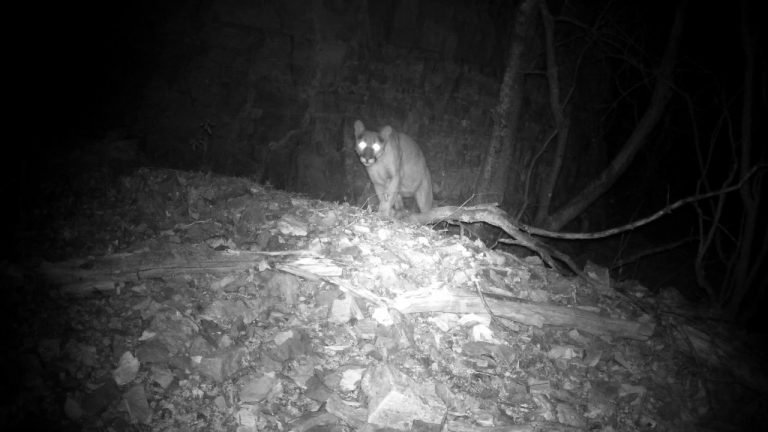
When temperatures climb, animals don’t stick to the same routines. Movement gets pushed toward the cooler parts of the day, and shaded areas become more important.
You’ll likely see less daytime activity and more action right at first light and after sunset. Bedding areas tighten up in thicker cover, often closer to water. If you’re used to covering ground during the day, you may need to adjust. Heat has a way of slowing things down, and the animals respond before you do if you’re not paying attention.
Water Sources Become Even More Critical
In a hotter, potentially drier summer, water turns into a focal point. Creeks, ponds, tanks—anything holding water draws attention.
That doesn’t mean every water source becomes a hotspot, but it does narrow the playing field. Animals will check reliable water more consistently, especially during extended heat stretches. If you’re scouting, you start keying in on those spots early. By mid-summer, the difference between a dry basin and a holding pond can mean the difference between seeing game and going home empty.
Early Season Scouting Gets More Important
When you know heat is coming, getting a read on the ground early matters more. Conditions can change fast once summer sets in.
Trails shift, feed dries up, and pressure builds in the few places that hold up. If you wait too long, you’re reacting instead of planning. Walking ground in late spring and early summer gives you a baseline before things tighten up. It’s not about covering miles—it’s about understanding how the landscape is set up before heat starts dictating movement.
Fire Risk Is Something You Can’t Ignore
Hot and dry conditions raise the risk of wildfires, especially in regions already prone to them. It doesn’t take much—a spark, a vehicle, a lightning strike.
If you’re spending time out there, you start thinking about it whether you want to or not. Access can change overnight with closures, and entire areas can go off-limits. Beyond that, it affects habitat in a big way. Some areas recover strong, others take years. Either way, it’s part of the equation when a summer trends hot and dry.
Long Days in the Heat Take a Toll on You Too
It’s easy to focus on game and conditions, but heat wears on you the same way it does everything else. Long days in high temperatures drain energy faster than most people expect.
Hydration, pacing, and timing start to matter more. You might cut a hunt short or shift your schedule without thinking twice. That’s not weakness—it’s adjusting to what the conditions demand. The guys who stay effective through a hot summer are the ones who recognize it early and plan around it.
A forecast like this doesn’t tell you everything, but it gives you a direction. The Old Farmer’s Almanac is pointing toward a hotter-than-average summer, and that’s enough to start thinking ahead.
If you spend time outdoors, you don’t ignore that. You adjust, you plan, and you stay a step ahead of the conditions instead of fighting them once they set in.

Asher was raised in the woods and on the water, and it shows. He’s logged more hours behind a rifle and under a heavy pack than most men twice his age.