Trail Camera Footage Sparks Debate After Rare Predator Appears in Suburban Edge Zone
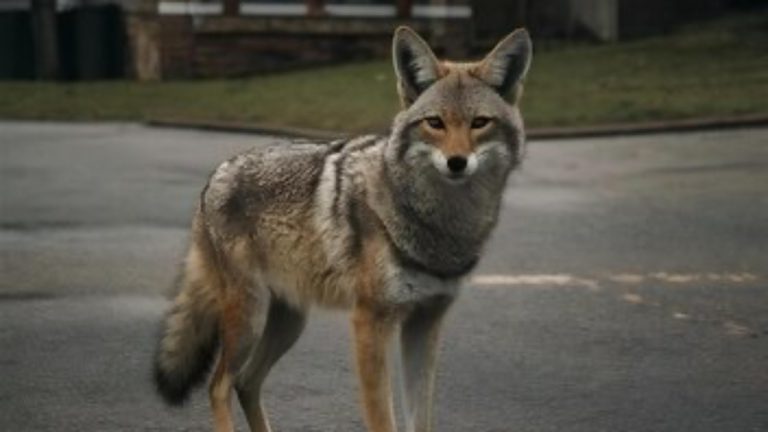
A trail camera placed near the edge of a suburban development has captured footage of what appears to be a rare predator moving through the area, sparking debate among residents, wildlife watchers, and local officials. The sighting has raised questions about how wildlife is adapting to expanding human development and whether animals once pushed out of populated areas are now returning.
The footage spread quickly through local groups and online forums, with people trying to identify the animal and determine how unusual the sighting really is. Some viewers believe it shows a species that typically avoids human settlement entirely, while others argue it may be a more common animal seen under unusual lighting or camera angles. That disagreement has fueled the discussion as much as the sighting itself.
Residents react to unexpected wildlife presence

People living near the area have had mixed reactions. Some see the appearance of a predator so close to homes as a warning sign that wildlife boundaries are shifting. Others are more curious than concerned, viewing it as a rare chance to observe an animal that is usually hidden from view.
Local property owners in edge zones often use trail cameras for deer monitoring or general land awareness, but unexpected captures like this tend to draw much more attention. In neighborhoods close to wooded corridors or undeveloped land, encounters like this highlight how thin the separation can be between suburban life and natural habitats.
Experts weigh in on identification and behavior
Wildlife experts reviewing similar footage often caution against quick conclusions. Low-light trail cameras, motion blur, and distance can make animals appear larger or more unusual than they actually are. Because of that, confirmation usually requires multiple sightings or clearer physical evidence.
Even when a rare predator is confirmed, experts typically explain its presence through natural movement patterns. Animals often travel through human-adjacent zones while searching for food, territory, or safer passage between larger habitats. Suburban edge areas can unintentionally act as corridors that connect fragmented wilderness regions.
Why suburban expansion changes animal movement
As cities expand outward, wildlife habitats become segmented into smaller zones. This forces many species to adapt by moving through areas that include roads, homes, and managed green spaces. In some cases, animals that once avoided human presence begin using these spaces more frequently.
This doesn’t always mean predators are “moving in,” but rather that their traditional routes overlap more with human development. For residents, that overlap can feel new or surprising, even though it is often a gradual shift rather than a sudden change in behavior.
Ongoing discussion and next steps
For now, the footage remains under discussion, with no official confirmation of the exact species involved. Local wildlife officials may review additional camera data or encourage residents to share further sightings to build a clearer picture.
Situations like this tend to generate more attention than confirmed routine sightings because uncertainty drives speculation. Whether the animal is rare or simply misidentified, the incident has already highlighted how closely suburban communities now sit alongside active wildlife corridors, and how quickly those worlds can intersect.

Leo’s been tracking game and tuning gear since he could stand upright. He’s sharp, driven, and knows how to keep things running when conditions turn.