Severe Weather Outbreaks Bring Record Hail and Tornado Threats to Millions, Testing Emergency Preparedness
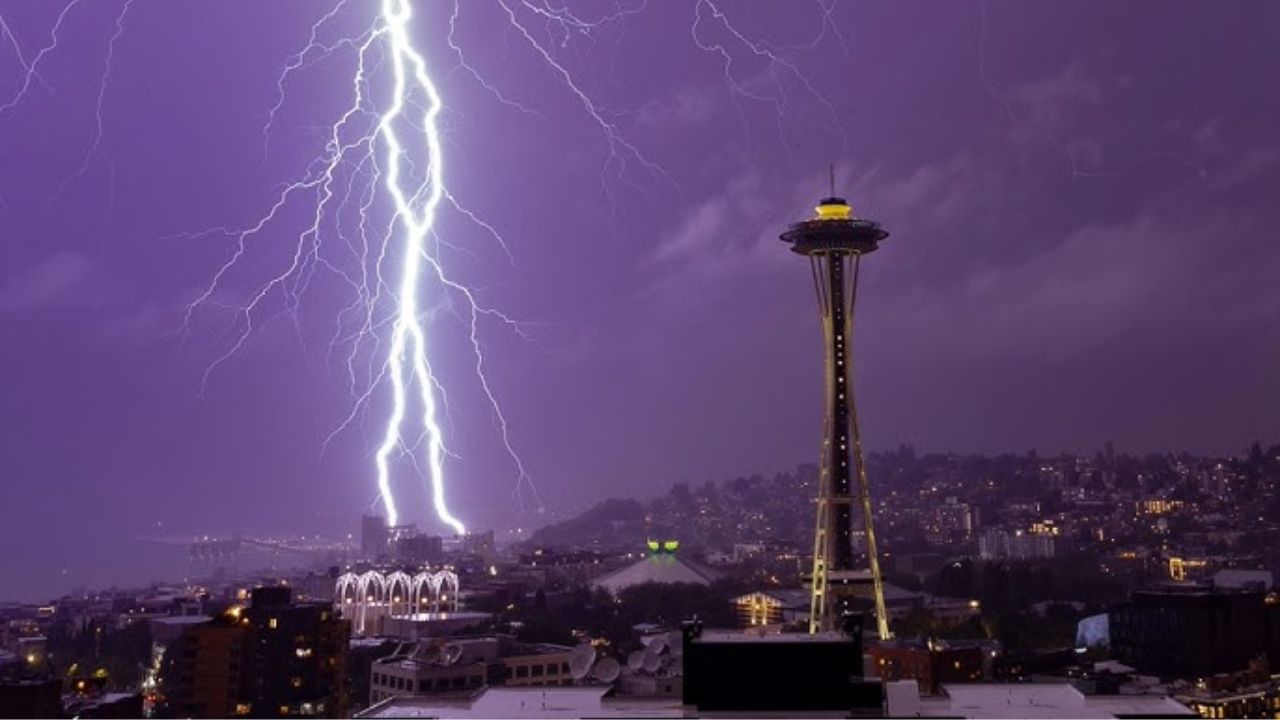
You don’t have to live in the middle of Tornado Alley to feel it anymore. Severe weather outbreaks are reaching farther, hitting harder, and showing up with less room for error. When the atmosphere lines up—warm Gulf moisture, strong wind shear, unstable air—you get days where everything is on the table: long-track tornadoes, destructive hail, and fast-moving storm lines that don’t give you much time to react.
You’ve probably noticed the alerts stacking up more often. What used to be a handful of high-risk days each year now feels like a recurring pattern. The question isn’t whether storms will come—it’s how prepared you are when they do.
The Setup for Major Outbreaks Is Showing Up More Often
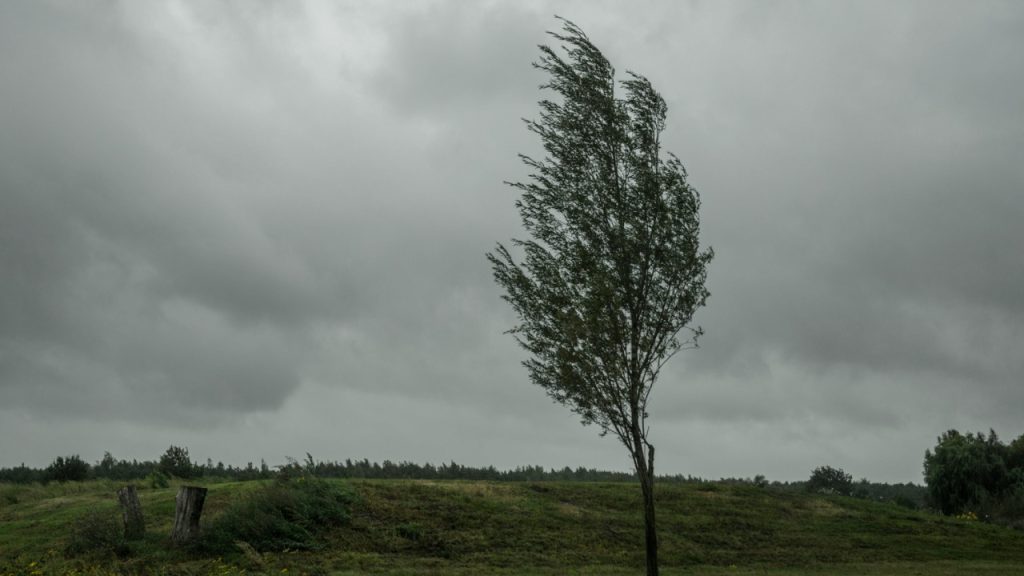
You don’t get widespread severe weather without the right ingredients. Warm, humid air pushing north meets colder, drier air dropping in from the west, and strong winds aloft start organizing storms. When those pieces line up, storms don’t stay isolated—they multiply and intensify.
Lately, those setups are happening more frequently in spring and early summer. It’s not speculation; meteorologists track these patterns closely. When the atmosphere holds more moisture and energy, storms have more to work with. That means more days where you’re looking at large areas under threat instead of a single county or two.
Large Hail Is Causing More Damage Than Many Expect
Tornadoes get the headlines, but hail is often what does the most widespread damage. You’re seeing reports of baseball- to softball-sized hail smashing roofs, vehicles, and crops in minutes.
That kind of hail forms when strong updrafts keep ice cycling through a storm, growing layer by layer. The stronger the storm, the bigger the hailstones. When they finally fall, they hit hard and fast. Insurance claims from hail events have climbed in recent years, and for good reason. It’s not rare anymore to see entire neighborhoods dealing with shattered windows and totaled trucks after a single storm cell passes through.
Tornado Threats Are Expanding Beyond Traditional Hotspots
You used to think of Tornado Alley as the main stage, but that line is blurring. States in the Southeast and Midwest are seeing more frequent and sometimes more dangerous tornado events.
Part of that comes down to population and timing. Tornadoes in the Southeast often happen at night or in rain-wrapped conditions, which makes them harder to see and avoid. Add in more people living in vulnerable housing, and the risk climbs. You’re not seeing fewer tornadoes in the Plains—you’re seeing the threat spread into areas that aren’t always as prepared.
Fast-Moving Storms Leave Little Time to React
Speed is one of the biggest problems in these outbreaks. Storm systems can move 50 to 70 miles per hour, which doesn’t give you much time between a warning and impact.
You might get a phone alert, hear sirens, and then have minutes—not hours—to make a decision. That’s where preparation matters. If you’re figuring things out on the fly, you’re already behind. Fast-moving storms don’t wait for you to gather information. They’re already on top of you by the time it clicks.
Emergency Systems Are Getting Better—but Gaps Remain
Warning systems have improved. Radar is sharper, alerts are faster, and forecasters can identify dangerous setups earlier than ever. That’s a real advantage.
But there are still gaps. Not everyone receives warnings the same way, and not everyone takes them seriously. Power outages, spotty cell service, or simply ignoring alerts can turn a warning into a missed opportunity to take cover. The system works best when you’re paying attention and have a backup plan if one method fails.
Infrastructure Is Taking a Beating
You don’t need a direct hit from a tornado to feel the impact. Straight-line winds, hail, and heavy rain can tear up power lines, damage roads, and shut down entire areas.
Repeated hits wear down infrastructure. You start seeing longer outages, slower recovery times, and higher repair costs. In rural areas, that can mean being cut off for a while. If you rely on well water, electric heat, or refrigerated food, those outages become more than an inconvenience. They turn into real problems you have to manage.
Preparedness Is Still Uneven Across Communities
Some places are ready. They’ve got shelters, clear warning systems, and people who know what to do. Others aren’t there yet.
You’ll find communities where shelter options are limited, especially in mobile home areas or older neighborhoods. In those cases, knowing where to go ahead of time matters more than anything. Waiting until the sirens sound isn’t a plan. The difference between being ready and being caught off guard often comes down to decisions made long before the sky turns dark.
You’re Your Own First Line of Defense
At the end of the day, you can’t rely on perfect timing or perfect information. You’ve got to take some ownership of your own safety when severe weather is in the forecast.
That means knowing where you’ll go, how you’ll get there, and what you’ll bring with you. It doesn’t have to be complicated, but it does have to be thought through. When storms are moving fast and hitting hard, the people who come through it best are the ones who made those decisions ahead of time.

Asher was raised in the woods and on the water, and it shows. He’s logged more hours behind a rifle and under a heavy pack than most men twice his age.