13 Remote Islands Where Human Access Remains Strictly Prohibited
You spend enough time studying maps, and you start noticing the blank spots. Not empty land—just places you’re not allowed to go. Some are locked down to protect fragile ecosystems. Others are closed off because the risks, to you or to the people already living there, are too high.
These aren’t mystery stories or tall tales. They’re real islands with hard rules, backed by governments and, in some cases, enforced with serious consequences. If you’re used to roaming public ground, this list feels different. These are places where stepping ashore isn’t an option—and likely never will be.
North Sentinel Island
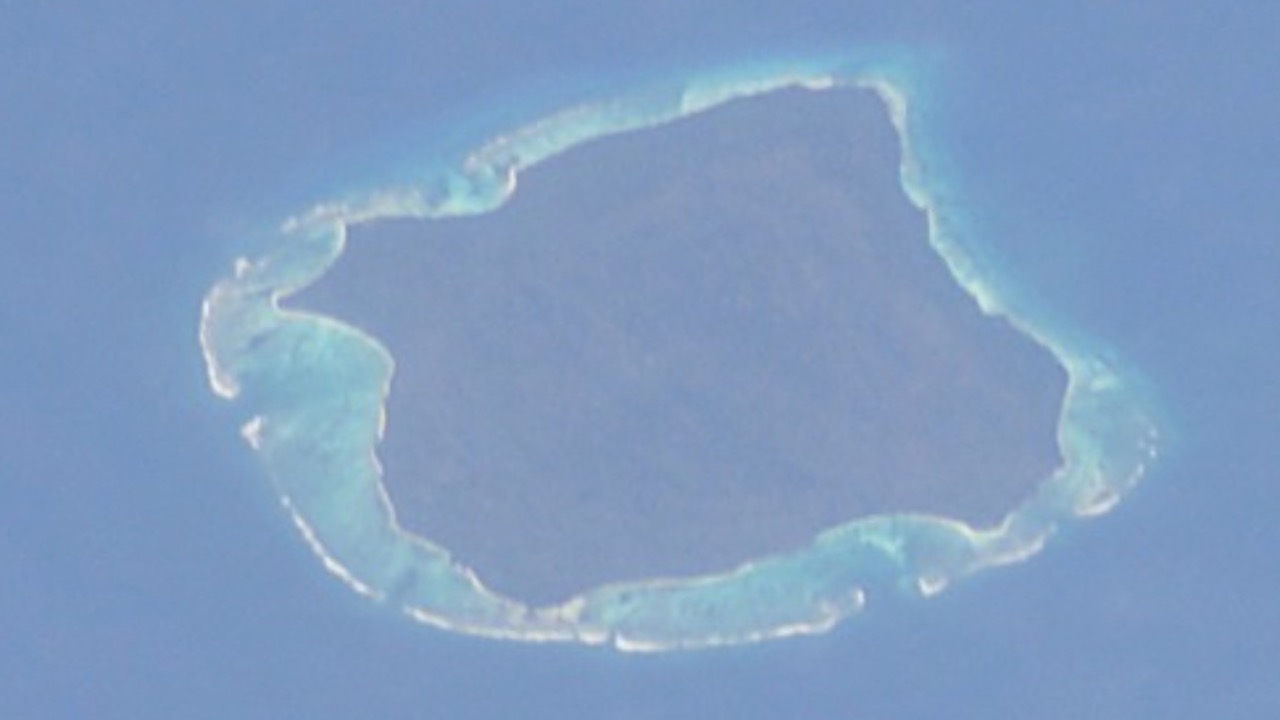
You’re looking at one of the most restricted places on the planet. North Sentinel Island is home to the Sentinelese, an Indigenous group that has had almost no contact with the outside world.
The Indian government enforces a strict exclusion zone around the island. It’s not only about protecting outsiders—it’s about protecting the tribe from disease and disruption. Past encounters have shown the Sentinelese will defend their territory aggressively. For you, that means there’s no legal way in, and even approaching by boat can land you in serious trouble.
Surtsey
Surtsey rose out of the ocean in the 1960s after a volcanic eruption. What makes it important is that scientists have been able to study how life takes hold on new land without human interference.
Access is tightly controlled by the Icelandic government. Only a handful of researchers are allowed in, and even they follow strict protocols to avoid introducing outside seeds or organisms. You’re not going there, and that’s the point. It’s one of the cleanest looks at natural colonization we’ve got.
Heard Island
This subantarctic island sits in a rough stretch of the southern Indian Ocean. It’s remote enough that getting there is a major expedition on its own.
Australia manages it as a protected reserve, and access requires permits that are rarely granted. Harsh weather, glaciers, and active volcanic activity make it a tough place to work, let alone visit. Even if you had the means, you’d run into layers of regulation designed to keep human impact near zero.
Ilha da Queimada Grande
Better known as Snake Island, this patch of land off Brazil is home to one of the densest snake populations on earth, including the golden lancehead pit viper.
The Brazilian government has banned public access, and it’s not hard to see why. The concentration of venomous snakes makes it dangerous, even for trained professionals. Researchers occasionally visit under strict controls, but for you, it’s off-limits. The island stays the way it is because people are kept out.
Poveglia Island
Poveglia sits in the Venetian Lagoon with a long, uneasy history tied to quarantine stations and later a mental hospital.
Italian authorities have restricted access for years, largely due to safety concerns around unstable structures and contamination fears. While not as tightly controlled as some others on this list, it’s still effectively closed to the public. You’re not legally walking around out there, and enforcement keeps casual visitors away.
Niʻihau
Niʻihau is privately owned and has remained largely closed to outsiders for generations. The island is home to a small Native Hawaiian community that maintains a traditional lifestyle.
Access is limited to invited guests or tightly managed hunting trips. You can’t show up unannounced, and there’s no tourism infrastructure waiting for you. The restrictions are about preserving culture and limiting outside influence, which has kept the island largely unchanged compared to the rest of Hawaii.
Gruinard Island
Gruinard Island earned its reputation during World War II when it was used for biological weapons testing involving anthrax.
For decades, it was considered too contaminated for safe human access. While decontamination efforts in the late 20th century declared it safe again, it remains uninhabited and rarely visited. You won’t find open access here, and its history still keeps most people at a distance.
Bouvet Island
If you’re looking for isolation, Bouvet Island is about as far as it gets. It’s one of the most remote islands in the world, claimed by Norway.
There’s no infrastructure, no permanent population, and landing there is extremely difficult due to cliffs and rough seas. It’s protected as a nature reserve, which means access is heavily restricted. Even researchers don’t come often. For you, it’s a place you’ll only ever see on a map.
Hashima Island
Hashima, often called Battleship Island, was once a dense coal mining hub. When the mine shut down, it was abandoned almost overnight.
Parts of the island are open to controlled tourism today, but large sections remain strictly off-limits due to collapsing buildings and safety risks. You can get close, but not everywhere. The restricted areas are a reminder that not all abandoned ground is safe to explore.
McDonald Islands
These islands sit near Heard Island and are even harder to reach. Volcanic activity has reshaped them in recent decades.
Australia protects them under the same conservation framework, limiting access to rare scientific missions. The combination of isolation, unstable terrain, and environmental protections keeps people out. You’re not making landfall here without serious backing and permission.
Vostok Island
Vostok Island is a dense, untouched coral island covered in thick vegetation and surrounded by reefs.
Kiribati restricts access to preserve the ecosystem. There’s no infrastructure, no freshwater source, and landing is difficult. It’s one of those places where leaving it alone is the management plan. You’re not heading ashore, and there’s no reason to try.
Rapa Iti
Rapa Iti isn’t completely closed, but access is limited and tightly controlled due to its isolation and small population.
Travel there requires effort, coordination, and permission. It’s not a place you stumble into. While not prohibited in the same way as others on this list, it remains effectively out of reach for most people. The barriers are logistical as much as regulatory.
Bikini Atoll
Bikini Atoll carries the legacy of nuclear testing conducted in the mid-20th century. While some areas have reopened under controlled conditions, restrictions still apply.
Radiation concerns, environmental monitoring, and safety regulations limit who can visit and where they can go. You’re not freely exploring it. Even today, access comes with oversight, and large parts remain off-limits to casual travel.
You spend enough time outdoors, and you get used to the idea that there’s always another ridge to cross or shoreline to follow. These islands don’t work that way.
They’re held back on purpose—by law, by danger, or by the need to leave something alone. And for once, the line isn’t blurry. It’s clear, and it’s not meant to be crossed.

Asher was raised in the woods and on the water, and it shows. He’s logged more hours behind a rifle and under a heavy pack than most men twice his age.