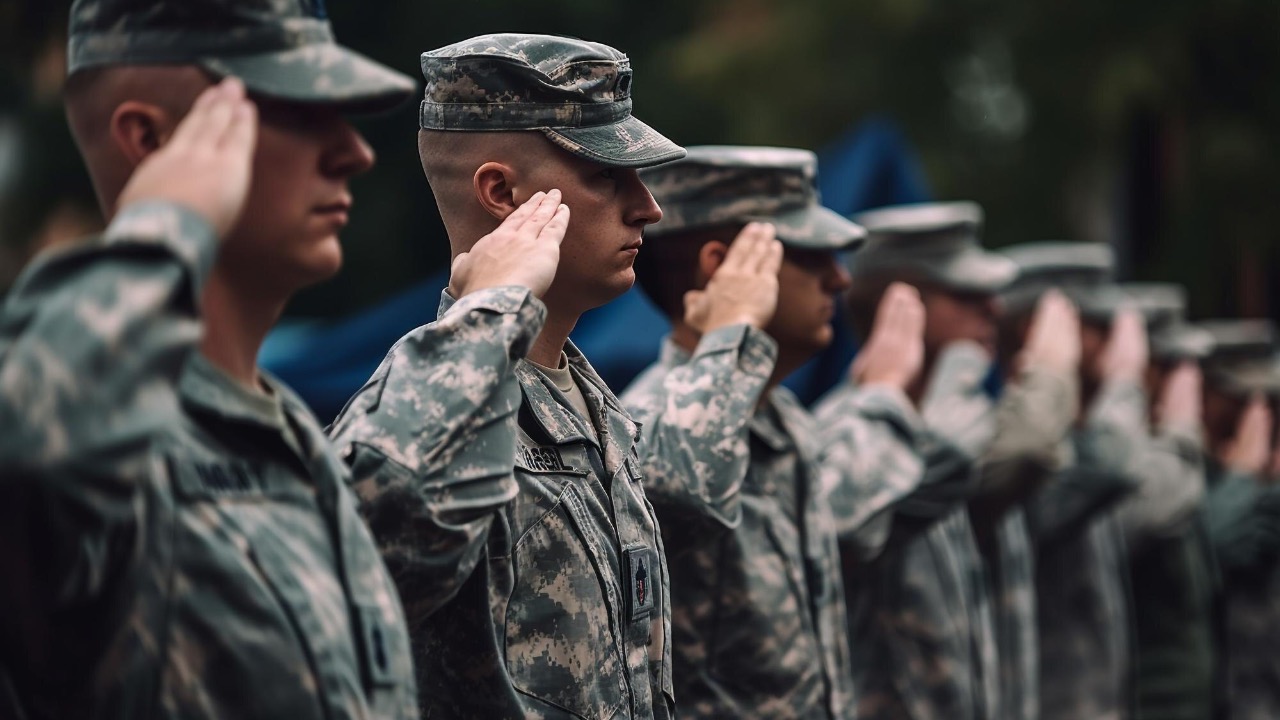
Army Moves to Discharge Service Members Over Controversial TikTok Activity
The U.S. Army has started moving against service members who post certain videos on TikTok, with some facing administrative separation or other penalties. This shift comes after years of warnings about the app’s security risks and growing frustration with how soldiers use social media. Cases have surfaced where troops posted complaints about leadership, showed off-duty behavior that clashed with standards, or appeared in uniform in ways that raised questions about discipline and operations security.
Leaders see these posts as more than personal expressions. They view them as potential signals that someone might not fit the expectations of military life. The crackdown reflects broader efforts to maintain order in an era when phones make everything public instantly. You might wonder how a short video can lead to such serious consequences, but the military treats these matters as tied directly to readiness and trust.
The Longstanding Security Concerns with TikTok
The Army first banned TikTok from government-issued devices back in late 2019, following Pentagon guidance that flagged the Chinese-owned app as a cybersecurity threat. Officials worried that data collected by the platform could end up with the Chinese government, creating risks for service members and national security. Even on personal phones, leaders have urged caution because the line between private and professional life blurs fast in uniform.
Over time, those warnings have not gone away. Reports continue to highlight how the app’s algorithms and data practices raise flags for anyone handling sensitive information. Service members who ignore the guidance sometimes discover that their posts draw official attention, especially when they mix personal gripes with military imagery. The policy aims to limit exposure without pretending social media does not exist.
Why Some Soldiers Face Discharge Over Their Posts
Recent examples show soldiers posting videos that complain about chain of command, refuse to follow regulations on camera, or display antics that look incompatible with Army values. In several cases, these clips led to demotions first, then administrative separation processes. Commanders argue that broadcasting such content undermines good order and discipline, even if recorded off duty.
You see troops in uniform dancing or venting in ways that make the service look unprofessional to outsiders. Investigations often start when fellow soldiers or the public flag the videos. The Army has made clear that representing the institution on social media carries responsibilities, and crossing certain lines can trigger Uniform Code of Military Justice reviews or chapter actions leading to discharge.
The Role of Operations Security in the Crackdown
Posting anything that reveals locations, routines, or equipment details can compromise unit safety, a core issue known as OPSEC. TikTok livestreams from bases or while in uniform have raised alarms because they potentially give adversaries real-time insights. Even videos that seem harmless can accidentally disclose patterns that intelligence services might exploit.
Leaders emphasize training on these risks, yet some service members still treat the platform like a personal stage. When posts go viral for the wrong reasons, commands respond with counseling, extra duty, or separation. The goal stays focused on protecting people in the field rather than punishing every creative impulse.
How Social Media Changes Expectations of Military Life
Service members today grew up with constant sharing, so the temptation to document everything feels normal. Yet the Army expects a level of restraint that earlier generations enforced through stricter information controls. Videos that mock leadership or show disregard for standards travel far beyond the barracks and affect morale across units.
You encounter stories of specialists reduced in rank after repeated posts, then facing exit from service. These situations highlight the tension between individual expression and collective mission. The military does not ban all social media, but it draws firm lines when content suggests someone cannot separate personal brand from professional duty.
Consequences Beyond Simple Administrative Action
Discharge processes tied to these incidents often result in general or other-than-honorable characterizations, which affect future employment, benefits, and veteran services. Losing security clearances along the way compounds the impact for those in technical roles. Some soldiers record their own separation proceedings and post them, framing the outcome as unfair treatment rather than accountability.
Commanders point out that repeated violations after counseling show a pattern inconsistent with continued service. The process follows regulations designed to give chances for correction, but persistent issues lead to formal separation. Veterans sometimes reflect later that the warnings were clearer than they seemed at the time.
Balancing Discipline with Modern Communication Realities
The Army continues updating policies on social media use, including rules around extremist content and symbols that apply even off duty. TikTok cases fit into this larger framework of maintaining standards in a connected world. Training now stresses that posts in uniform can reasonably be seen as speaking for the service.
You notice a shift toward stricter enforcement as leadership prioritizes cohesion over viral moments. While not every video triggers action, those involving insubordination or clear policy breaches do. The message remains consistent: military service demands choices about what to share publicly.
What This Means for Current and Future Service Members
If you wear the uniform, the safest approach involves treating TikTok and similar platforms with the same caution applied to any official communication. Many soldiers avoid the app entirely or limit content to approved channels. Others learn the hard way that a few clicks can alter career trajectories.
The crackdown serves as a reminder that personal choices on social media carry professional weight. As the Army works through recruiting and retention challenges, it also works to preserve the discipline that defines the force. Service members who align their online presence with those expectations tend to avoid the kinds of headlines that end in discharge.

Asher was raised in the woods and on the water, and it shows. He’s logged more hours behind a rifle and under a heavy pack than most men twice his age.