Tucker Carlson Expresses Regret Over His Role in Supporting Donald Trump’s Election, Citing Lasting Personal Torment
You’ve watched Tucker Carlson command attention for years, first at Fox News and then through his independent show, shaping conversations on the right with his direct style and large audience. Now he’s taking a step that few expected: openly expressing regret for the role he played in helping Donald Trump win the 2024 election. In a recent episode recorded with his brother Buckley, a former Trump speechwriter, Carlson described feeling personally burdened by that support and offered an apology to those who listened to him. The shift comes amid growing tensions, particularly over Trump’s decisions in the Middle East. It marks a notable break from the alignment that once defined much of their public relationship.
This moment raises questions about influence in media and politics, and what happens when prominent voices reassess their past positions. Carlson didn’t frame it as a complete reversal on every issue, but he zeroed in on accountability for the outcomes that followed Trump’s return to power. His words have circulated quickly, drawing reactions across the spectrum as people process a conservative figure distancing himself in such personal terms.
The Podcast Conversation That Shifted the Narrative
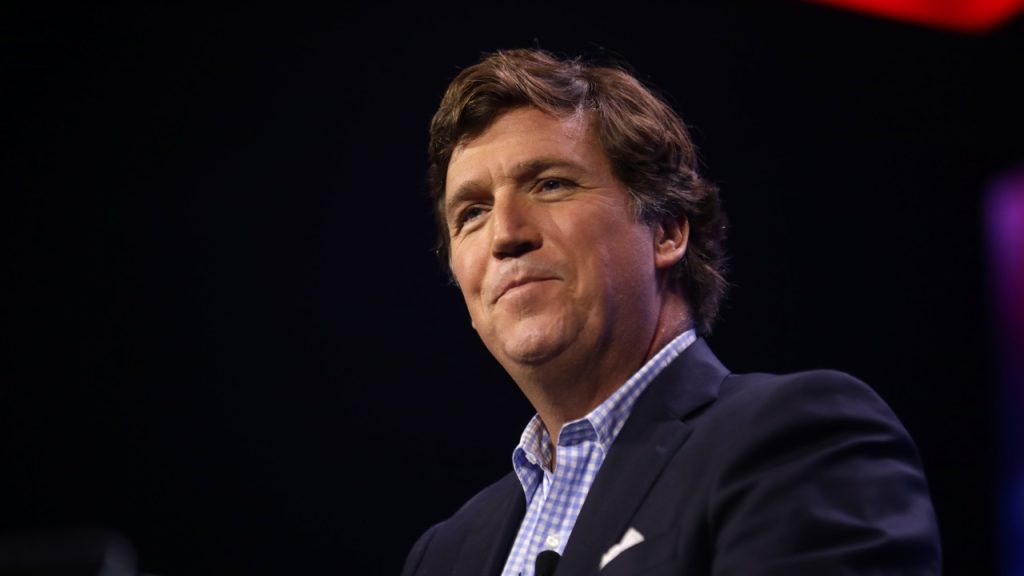
You hear Carlson speaking candidly alongside his brother Buckley during the latest episode of his show. The two reflect on their direct involvement—Carlson through campaigning and on-air commentary, Buckley through writing speeches. They acknowledge that actions like these contributed in tangible ways to the election outcome. Carlson emphasizes that simply changing one’s mind now falls short of addressing the full picture.
He points to shared responsibility among supporters, noting how millions played a part, however small. The discussion avoids easy outs and instead lingers on the weight of those earlier endorsements. Listeners familiar with Carlson’s history sense the departure from his previous defense of Trump, especially as current events prompt the reevaluation.
Carlson’s Admission of Personal Torment
Carlson describes a lasting discomfort tied to his earlier backing of Trump. He uses the word “tormented” more than once to capture how the consequences sit with him. This isn’t presented as fleeting disappointment but as something that will linger for a long time ahead.
The admission carries a personal edge, coming from someone who built much of his platform around political commentary. It invites the audience to consider the human side of public positions, where influence brings both reach and accountability. Carlson frames it as an internal reckoning rather than a dramatic public performance.
Apologizing for Misleading His Audience
In clear terms, Carlson tells viewers he is sorry for misleading people through his support. He stresses that any misalignment with later realities was not deliberate on his part. The apology targets those who took his commentary as guidance during the campaign periods.
This stands out because Carlson rarely steps back in this manner. He ties the regret directly to his role in shaping opinions that helped carry Trump forward. The moment reads as an effort to own the gap between what he presented then and what has unfolded since.
The Context of the Iran Conflict
Much of the tension traces back to Trump’s handling of events in the Middle East, including military actions that Carlson has called disgusting and evil. He links his earlier endorsements to the current situation, suggesting supporters share in the implications. The criticism focuses on policy outcomes rather than a blanket rejection of Trump’s record.
Carlson uses the conversation to highlight how foreign policy decisions weigh heavily in his current assessment. This focus explains the timing of his reflections, as ongoing developments bring the stakes into sharper view. It shows how specific events can prompt a broader reassessment of past alliances.
Wrestling with Conscience in Public View
Carlson calls for a pause to examine consciences, extending the idea beyond himself to others who backed Trump. He argues that acknowledging involvement matters more than walking away quietly. The exchange with his brother adds a layer, given Buckley’s own history as a speechwriter for the president.
This approach treats political support as carrying real consequences that demand reflection. Carlson positions the discussion as necessary rather than optional, especially when results diverge from expectations. It places the emphasis on personal responsibility amid larger national debates.
Reactions and the Broader Implications
Observers across media outlets have noted the remarks, with some viewing them as a significant fracture in conservative circles. Others question the sincerity or timing, given Carlson’s long history of engaging with Trump. The comments have sparked conversations about loyalty, influence, and when public figures choose to speak out.
For audiences who followed Carlson closely, the statements prompt fresh thinking about trust in commentary. They also highlight how personal and political lines can blur when high-stakes decisions play out in real time. The episode underscores that even influential voices grapple with the aftermath of their positions.
Looking at Carlson’s Evolving Stance
Over time, Carlson’s relationship with Trump has included both alignment and distance, from private texts revealed in past legal matters to open campaigning in 2024. His latest comments fit into a pattern of growing criticism on certain fronts while still engaging the wider political landscape. The regret doesn’t erase prior support but adds a layer of self-examination.This development leaves room for ongoing discussion about media figures and their impact. Carlson continues producing content independently, and these reflections may shape how audiences receive his future takes. In the end, it offers a window into the complexities that come with wielding a public platform over years of shifting events.

Asher was raised in the woods and on the water, and it shows. He’s logged more hours behind a rifle and under a heavy pack than most men twice his age.