Colorado Police Issue Coyote Warnings After Another Small Dog Killed in Suburban Area
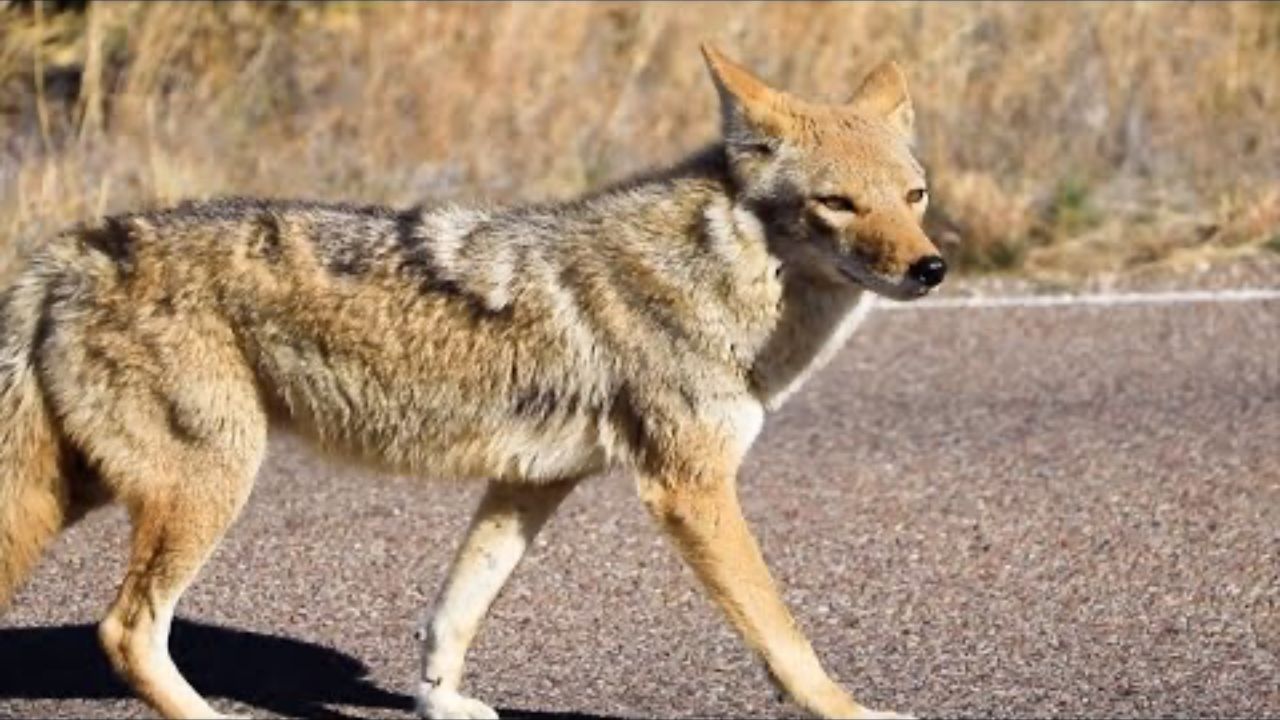
Residents in several Colorado suburban neighborhoods are being urged to stay alert after authorities issued renewed warnings about coyote activity following another reported attack on a small dog.
The situation has sparked concern among pet owners, especially in areas where wildlife and residential streets are closely connected.
Another Incident Raises Concern
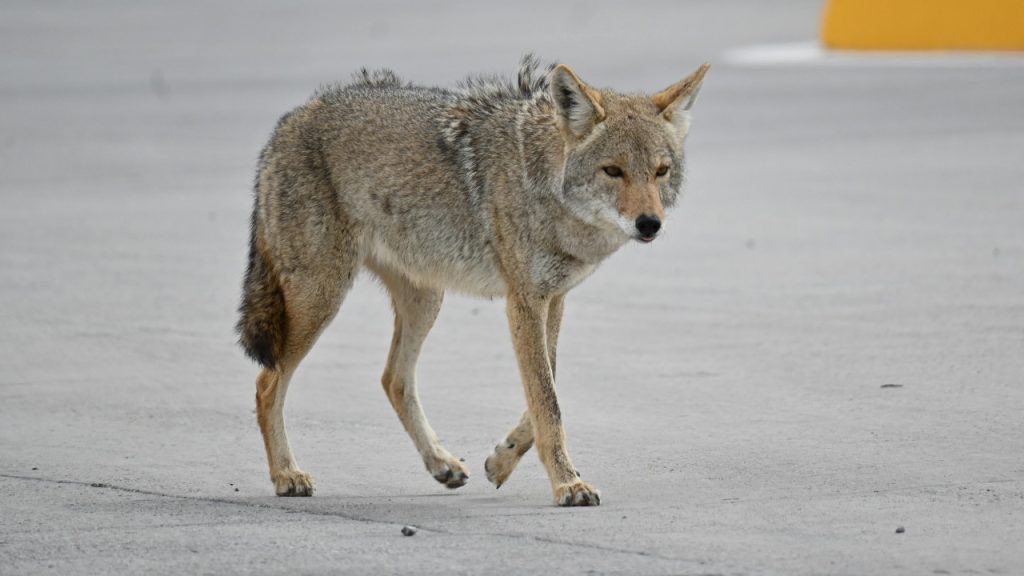
According to local reports, a small dog was attacked by a coyote in a neighborhood setting, adding to a growing number of similar incidents in the area.
While coyotes are not new to Colorado suburbs, the frequency of recent encounters has made some residents more uneasy, especially those with small pets that are often outside in yards or on walks.
Why Suburban Encounters Are Increasing
Wildlife experts often point to a few key factors that can bring coyotes closer to residential areas:
- Easy access to food sources like trash or pet food
- Small pets being seen as potential prey
- Expanding neighborhoods overlapping with natural habitat
As development continues outward, the boundary between wildlife territory and residential space becomes less defined.
What Officials Are Telling Residents
Local authorities have been advising residents to take precautions, especially during early morning and evening hours when coyotes are more active.
Common recommendations include keeping pets on leashes, supervising them in yards, and avoiding leaving food or waste outdoors that could attract wildlife.
Officials emphasize that while coyotes generally avoid humans, they can become bolder when they associate neighborhoods with food opportunities.
Community Reaction
The warning has led to mixed reactions among residents.
Some say they’ve noticed increased wildlife sightings over the past few months and feel the warnings are overdue. Others believe the situation is being amplified, noting that coyotes have always been present in the region and that incidents remain relatively rare.
Still, for pet owners who have experienced losses firsthand, the concern feels immediate and personal.
Why These Stories Resonate
Part of what makes these incidents stand out is the setting. Coyotes moving through rural areas is expected — but encounters in suburban streets, driveways, and backyards feel very different.
They bring a sense of unpredictability into spaces people typically view as safe and controlled.
The Bigger Picture
Wildlife management in growing suburban regions is becoming increasingly complex. As human development expands, interactions between people, pets, and predators are becoming harder to avoid entirely.
For now, officials continue to focus on prevention and awareness, while residents adjust their routines to reduce risk.
And as more neighborhoods sit directly on the edge of natural habitat, these encounters are likely to remain part of the conversation — not as rare surprises, but as ongoing challenges in shared environments.

Leo’s been tracking game and tuning gear since he could stand upright. He’s sharp, driven, and knows how to keep things running when conditions turn.