Iran Signals Potential New Measures in Tensions With the United States
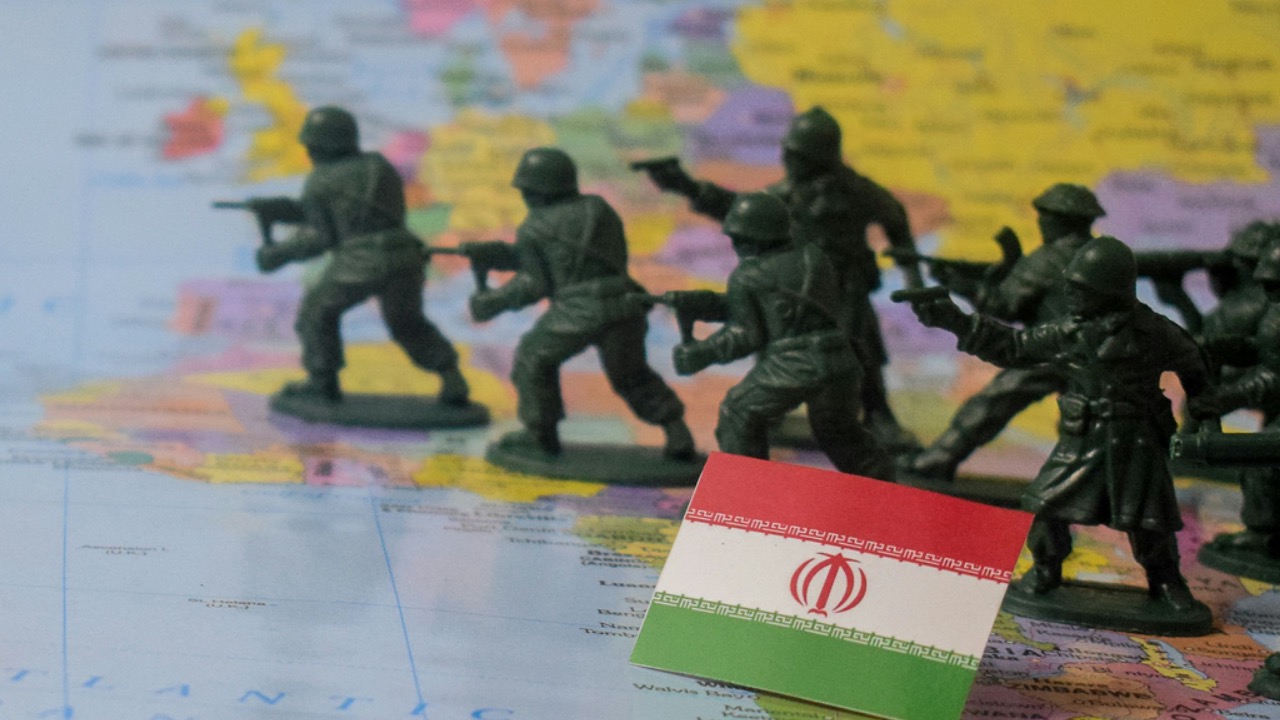
You watch these developments unfold in the Middle East and feel the weight of how quickly things can shift. After weeks of conflict and a fragile ceasefire, Iranian officials have started hinting at fresh responses if the standoff with Washington drags on. The focus sits squarely on the Strait of Hormuz, where naval actions and blockades keep disrupting global oil flows. Both sides trade statements that mix calls for talks with firm warnings, leaving everyone guessing about the next steps.
The Current Standoff at Sea
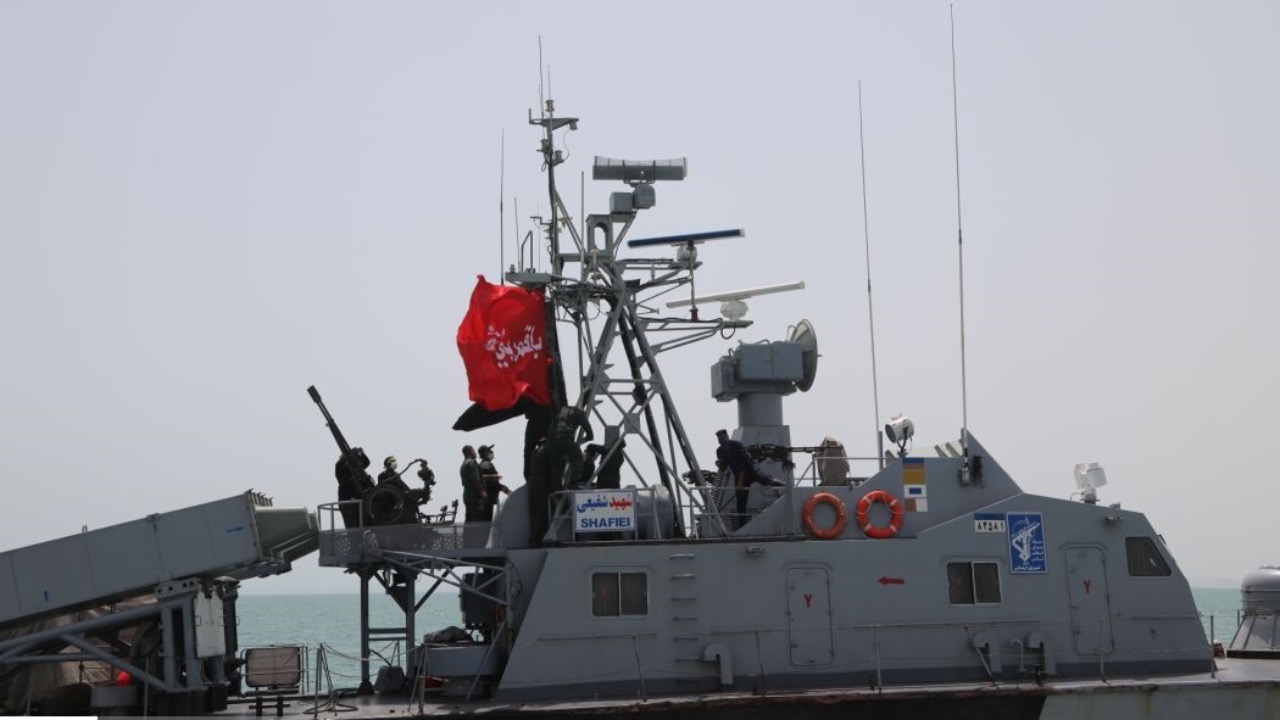
You see the Strait of Hormuz as the central stage right now. Iran has seized vessels and fired on others it claims violated its rules in the waterway, while the United States maintains a naval blockade on Iranian ports. This back-and-forth raises risks for shipping and energy markets worldwide. Iranian leaders argue the blockade breaks the spirit of the recent ceasefire extension, and they refuse to fully reopen the strait until that pressure eases.
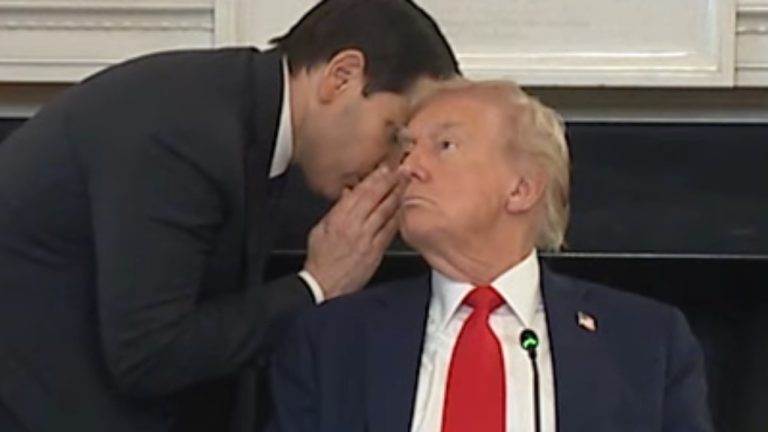
At the same time, U.S. forces have boarded tankers and turned back ships linked to Iran. President Trump has directed the Navy to act against any mining attempts in the area, showing no rush to lift restrictions. These moves keep economic pressure high on Tehran while talks remain stalled. The incidents highlight how control over this narrow passage can influence broader negotiations.
Iran’s Warnings of Escalation Options
You hear Iranian parliamentary speakers and military figures talk about having prepared responses if tensions keep rising. They mention new battlefield measures without spelling them out, aiming to show resolve while still expressing interest in dialogue. Officials like the parliament speaker insist the blockade counts as a violation, making full de-escalation impossible for now.
This language serves as a signal to both domestic audiences and international players. Iran wants negotiations but not under duress, according to statements from President Pezeshkian and others. They point to breaches of commitments as the main barrier. The approach mixes firmness with openness to future talks once conditions change.
The Role of the Ceasefire Extension
You notice Trump extended the ceasefire indefinitely without setting a firm deadline for Iran to respond. This gives more time for diplomacy but also sustains the naval measures that Iran finds unacceptable. White House officials emphasize that the timeline depends on the president, and progress hinges on Iranian proposals meeting U.S. expectations.
Iranian leaders acknowledge the extension yet stress that the ongoing blockade hinders real talks. They have received proposals through intermediaries but see gaps that need closing. The extended pause avoids immediate fighting while both governments maneuver for better positions ahead of any resumed negotiations.
Nuclear Issues in the Background
You know the nuclear program sits at the heart of these disagreements. The United States pushes for strict limits, including on enrichment and stockpiles, while Iran defends its right to peaceful nuclear energy. Past rounds of indirect talks through mediators like Oman showed some movement, but core differences on enrichment levels and verification remain.
Iranian officials have signaled readiness for fair talks but draw lines around certain capabilities. Any deal would need to address sanctions relief alongside nuclear steps. The recent conflict and strikes on facilities have complicated trust, yet both sides continue indirect messaging that keeps a path open.
Impact on Regional Players and Energy Markets
You consider how neighbors and global markets react to every development here. Actions in the strait affect oil prices and shipping routes far beyond the Gulf. Allies like Israel monitor closely, while other countries urge calm to protect trade. The involvement of intermediaries from Pakistan and elsewhere shows the wider diplomatic effort.
Energy costs rise when uncertainty grows, hitting consumers everywhere. Efforts to clear mines or escort vessels reflect the international stakes. Iran and the United States both know that prolonged disruption carries costs, which may eventually push them back to the table despite the tough public positions.
Prospects for Future Talks
You see hints of possible movement even amid the friction. Iranian diplomats mention receiving signs that Washington might adjust its approach, and U.S. officials leave room for renewed discussions in places like Pakistan. The signals remain mixed, with hard-liners on both sides influencing the pace.
Success depends on bridging gaps over the blockade, nuclear limits, and regional influence. Neither side wants endless confrontation, but domestic politics and security concerns make compromise delicate. Watch how these potential new measures play out—they could either raise the stakes further or open space for a breakthrough.
What This Means for Stability Ahead
You think about the broader picture for the region and beyond. A resolution could ease pressures on economies and reduce risks of wider conflict involving proxies or other actors. Continued stalemate keeps everyone on edge, with the potential for miscalculation in crowded waters like the strait.
Leaders on both sides face choices that balance strength with pragmatism. The coming weeks will test whether warnings lead to escalation or serve as leverage for serious negotiations. The situation evolves daily, shaped by statements, naval actions, and quiet diplomacy behind the scenes.

Asher was raised in the woods and on the water, and it shows. He’s logged more hours behind a rifle and under a heavy pack than most men twice his age.